However, kissing directly on the mouth may create a different situation if blood is present, particularly when either person has bleeding gums, mouth sores, or other open lesions.
For HIV specifically, transmission through kissing is considered extremely rare and has only been associated with unusual circumstances involving significant blood exposure, such as bleeding oral wounds.
The key point is that the presence of blood, rather than the mere fact that a person has died, changes the potential risk.
2. Tuberculosis
Tuberculosis (TB) is an infectious disease caused by bacteria known as Mycobacterium tuberculosis.
It primarily affects the lungs, although it can also involve other parts of the body.
TB usually spreads through the air when a person with infectious pulmonary or laryngeal tuberculosis releases tiny airborne particles while coughing, speaking, or singing.
After death, the risk of transmission depends on the circumstances of handling the body.
Simply touching or briefly kissing the skin of a deceased person is not the typical route of TB transmission.
However, procedures that disturb the lungs or respiratory tract, particularly autopsies and certain body-handling procedures, may create exposure risks for workers.
This is why specialized protective equipment and infection-control procedures are important when tuberculosis is suspected or confirmed.
Families should follow guidance from the hospital or funeral service if the deceased person had infectious TB.
3. Certain viral hemorrhagic fevers
Some infectious diseases create particularly serious risks when handling deceased individuals.
Examples include Ebola virus disease and Marburg virus disease.
These infections can cause severe illness and may involve high concentrations of virus in bodily fluids during advanced disease and after death.
Direct contact with the body, blood, vomit, feces, or other contaminated materials can expose another person to infection.
Traditional burial practices that involve washing, touching, or kissing the deceased may therefore be dangerous when someone has died from one of these diseases.
In affected regions, public health authorities establish strict procedures for handling and burying remains.
These procedures may include trained personnel, appropriate protective equipment, and safe burial practices designed to prevent transmission.
In such circumstances, family members should not independently touch or kiss the body.
4. Certain gastrointestinal infections
Some infectious organisms can remain present in stool and other bodily materials after death.
Depending on the cause of illness, these may include bacteria such as Salmonella, Shigella, or certain strains of E. coli.
The main transmission route for many of these organisms is fecal-oral: microscopic contamination from feces enters another person's mouth.
A kiss on the forehead is not the typical route of transmission.
However, contaminated hands, surfaces, or materials can create risks if proper hygiene is not maintained.
This is one reason funeral workers use gloves and follow hand-hygiene procedures when handling bodies.
5. Respiratory infections
Some respiratory pathogens may remain present in respiratory secretions after death.
The level of risk varies considerably depending on the specific infection, the amount of exposure, and the procedures being performed.
For example, influenza and COVID-19 primarily spread through respiratory particles produced by infected people.
A deceased person is no longer breathing, coughing, or speaking, so ordinary respiratory transmission does not occur in the same way as it does with a living person.
Nevertheless, contact with contaminated respiratory secretions and procedures that generate aerosols may create exposure risks.
Healthcare and funeral professionals should follow the relevant infection-control guidance when handling remains of people who died with certain respiratory infections.
Chapter 3: Is Kissing the Forehead Safer Than Kissing the Lips?
Many people assume that all forms of contact with a deceased person carry the same level of risk.
In reality, the location and nature of contact can make a difference.
A brief kiss on the forehead, cheek, or hand usually involves contact with intact skin. Intact skin provides an effective barrier against many infectious microorganisms.
The mouth is different.
The lips and inside of the mouth contain mucous membranes. These tissues do not provide the same protective barrier as intact skin.
If infectious blood or other contaminated fluids enter the mouth, certain pathogens may have a potential route of transmission.
Kissing the forehead
The forehead generally has intact skin and does not normally come into contact with blood or bodily fluids.
If the deceased person did not have a highly infectious disease requiring special precautions, and there are no visible fluids, wounds, or contamination, the risk from a brief kiss on the forehead is generally low.
This is one reason families may be allowed to touch or kiss a loved one's forehead under appropriate circumstances.
However, this is not a universal recommendation. Specific infection-control instructions from the hospital or funeral provider should always take priority.
Kissing the cheek
The cheek also has intact skin under normal circumstances.
A brief kiss on an undamaged cheek generally presents a low risk when the deceased person did not die from an infection requiring special precautions.
However, the risk may be different if there are open wounds, visible blood, skin lesions, or other potentially infectious materials.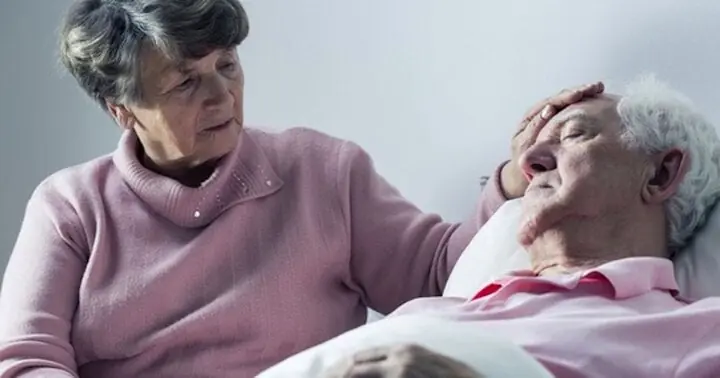
Kissing the lips
Kissing directly on the lips involves contact with the mouth and its mucous membranes.
The potential risk may be higher if infectious blood or secretions are present, especially when the person making contact has cuts, ulcers, bleeding gums, or other breaks in the lining of the mouth.