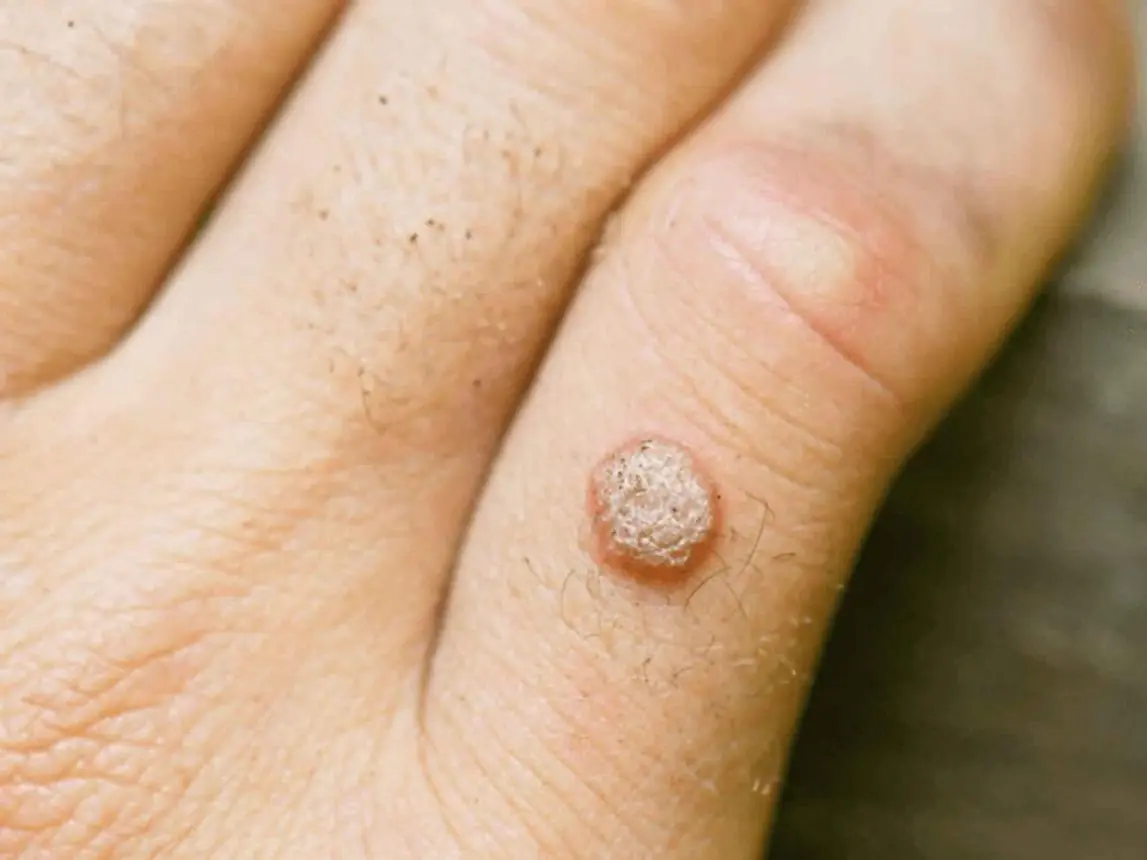
Warts or Skin Tags? Here's the Safest Way to Get Rid of Them
Not every skin growth is harmless—learn when treatment is truly needed.
Health 06/08/2026 00:10
For generations, herbal leaves have been used in traditional medicine around the world to help ease coughs, soothe sore throats, and support respiratory comfort. From mint and thyme to eucalyptus and mullein, many plants have earned a place in home remedies and cultural healing practices.
Today, these traditional uses continue to attract attention, especially as more people seek natural ways to support their overall health. However, it is important to separate traditional practices from scientific evidence. While some herbs contain naturally occurring compounds that have shown promising biological activity in laboratory studies, no herbal leaf has been proven to prevent, cure, or reverse chronic lung diseases such as asthma, chronic obstructive pulmonary disease (COPD), pulmonary fibrosis, or lung cancer.
Instead, herbal leaves may be best viewed as one part of a healthy lifestyle that supports overall respiratory wellness when used appropriately and alongside evidence-based medical care.
Your respiratory system is responsible for delivering oxygen to every cell in your body while removing carbon dioxide.
The lungs, airways, and respiratory muscles work together to:
Supply oxygen to the bloodstream
Remove waste gases
Support physical activity
Protect against airborne irritants and microorganisms
Help regulate acid-base balance
Healthy lungs are essential for maintaining energy, exercise capacity, and overall well-being.
Many factors influence respiratory health throughout life.
Some cannot be changed, such as:
Age
Genetics
Certain medical conditions
Others are modifiable, including:
Smoking
Air pollution exposure
Occupational dust and chemicals
Physical activity
Nutrition
Vaccination
Management of chronic illnesses
No single food or herb can overcome the harmful effects of smoking or untreated lung disease.
Several herbs have a long history of traditional use for respiratory comfort.
Although research continues, evidence varies considerably between plants.
Peppermint contains menthol, a naturally occurring compound that creates a cooling sensation.
Many people enjoy peppermint tea because it may:
Provide a soothing feeling in the throat
Help people feel more comfortable during mild upper respiratory illnesses
Encourage hydration
While menthol can create a sensation of easier breathing, it does not actually open the airways or improve lung function in people with asthma or COPD.
Thyme has been used traditionally for centuries.
Laboratory studies suggest thyme contains compounds with antimicrobial and antioxidant properties.
Some herbal cough preparations include thyme extract, and limited research suggests it may help relieve certain symptoms of acute cough when combined with other ingredients.
However, more high-quality clinical studies are needed.
Eucalyptus leaves contain compounds such as eucalyptol (cineole).
Eucalyptol has been studied for its role in some respiratory medications and may help support mucus clearance in certain conditions when used appropriately.
However:
Eucalyptus essential oil should never be ingested unless specifically formulated for medical use.
It should be used cautiously, particularly around young children.
Mullein has a long history in traditional herbal medicine.
It has traditionally been consumed as tea to support respiratory comfort during coughs.
Current scientific evidence supporting these traditional uses remains limited, and more research is needed.
Oregano contains naturally occurring compounds including:
Carvacrol
Thymol
Rosmarinic acid
Laboratory studies demonstrate antioxidant and antimicrobial activity.
However, eating oregano or drinking oregano tea has not been proven to prevent or treat lung disease.
It remains a flavorful herb that contributes beneficial plant compounds to a balanced diet.
Many herbs contain:
Polyphenols
Flavonoids
Vitamins
Minerals
Essential oils
These compounds may contribute to:
Antioxidant activity
Flavorful meals with less added salt
Increased fluid intake when consumed as herbal tea
Relaxation and comfort during mild respiratory illnesses
Importantly, these potential benefits do not mean herbs cure respiratory disease.
Warm herbal teas may provide comfort primarily because they contribute to hydration.
Adequate fluid intake supports:
Normal mucus consistency
Comfortable swallowing
General respiratory function
Warm beverages may temporarily soothe throat irritation during common viral illnesses.
Despite many online claims, current scientific evidence does not support the idea that herbal leaves can:
Cleanse the lungs
Remove toxins from lung tissue
Cure asthma
Reverse COPD
Eliminate pneumonia
Treat tuberculosis
Prevent lung cancer
Individuals with respiratory diseases should continue following their prescribed treatment plans.
The strongest evidence for protecting respiratory health comes from healthy lifestyle choices.
Smoking remains the leading preventable cause of chronic lung disease.
Quitting smoking provides benefits at every age.
Regular exercise helps:
Improve endurance
Strengthen breathing muscles
Support cardiovascular health
Maintain healthy lung function
A diet rich in:
Fruits
Vegetables
Whole grains
Legumes
Nuts
Fish
provides antioxidants and nutrients that support overall health.
When possible:
Avoid tobacco smoke.
Improve indoor ventilation.
Wear appropriate respiratory protection in dusty work environments.
Monitor local air quality during periods of heavy pollution.
Vaccinations against influenza, COVID-19, and pneumococcal disease (when recommended) can help reduce the risk of serious respiratory infections.
Fact: The lungs naturally clear mucus and particles through specialized defense mechanisms. No herbal tea has been shown to "clean" the lungs.
Fact: Herbs may cause allergic reactions, interact with medications, or produce side effects.
Fact: People with asthma or COPD should never stop prescribed medications without medical guidance.
Fact: Some essential oils may irritate the airways or trigger asthma symptoms in sensitive individuals.
Fact: Excessive consumption of herbal supplements may increase the risk of unwanted effects.
Before using herbal products regularly, consider the following:
Buy products from reputable sources.
Follow preparation instructions carefully.
Avoid ingesting essential oils unless specifically intended for oral use.
Discuss herbal supplements with your healthcare provider if you are pregnant, breastfeeding, or taking prescription medications.
Stop using any product that causes allergic reactions or worsening respiratory symptoms.
Do not rely on home remedies if you experience:
Difficulty breathing
Chest pain
High fever
Cough lasting more than three weeks
Coughing up blood
Unexplained weight loss
Persistent wheezing
These symptoms require prompt medical evaluation.
Herbal leaves have been used in traditional medicine for centuries and continue to play an important role in many cultures. Some herbs, including peppermint, thyme, eucalyptus, mullein, and oregano, contain naturally occurring compounds that have shown antioxidant or antimicrobial activity in laboratory studies, and warm herbal teas may provide comfort and help maintain hydration during mild respiratory illnesses.
However, current scientific evidence does not support claims that herbal leaves can cleanse the lungs, cure chronic respiratory diseases, or replace conventional medical treatment. The most effective ways to support long-term respiratory wellness remain avoiding tobacco, minimizing exposure to air pollution, staying physically active, eating a balanced diet, keeping vaccinations up to date, and seeking appropriate medical care when respiratory symptoms persist or worsen. Herbal leaves can certainly be enjoyed as part of a healthy lifestyle—but they are best considered a complement to, not a substitute for, evidence-based healthcare.
Not every skin growth is harmless—learn when treatment is truly needed.

Healthy eating habits matter, but cancer risk is rarely caused by one food.
Orange Peels and Cloves: Traditional Wellness Practices Through a Modern Lens
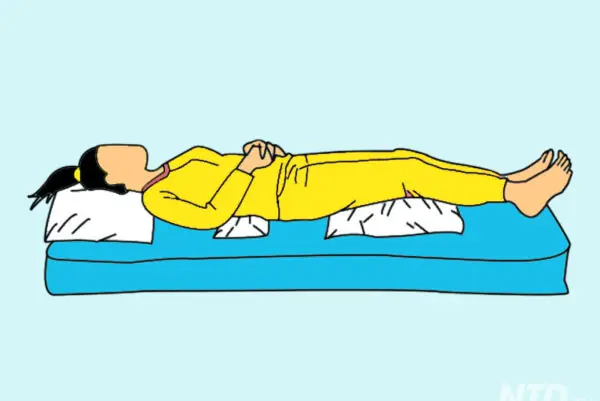
How Your Sleeping Position May Affect Your Health: What Research Says

Salt water may reveal tiny larvae hiding inside fresh strawberries naturally.

Stop feeding your children these 5 foods immediately.

Doctors Warn: These 4 Popular Foods May Hide Dangerous Parasite

A White Cloth on a Car Window Isn't Random. Here's Why It Matters.
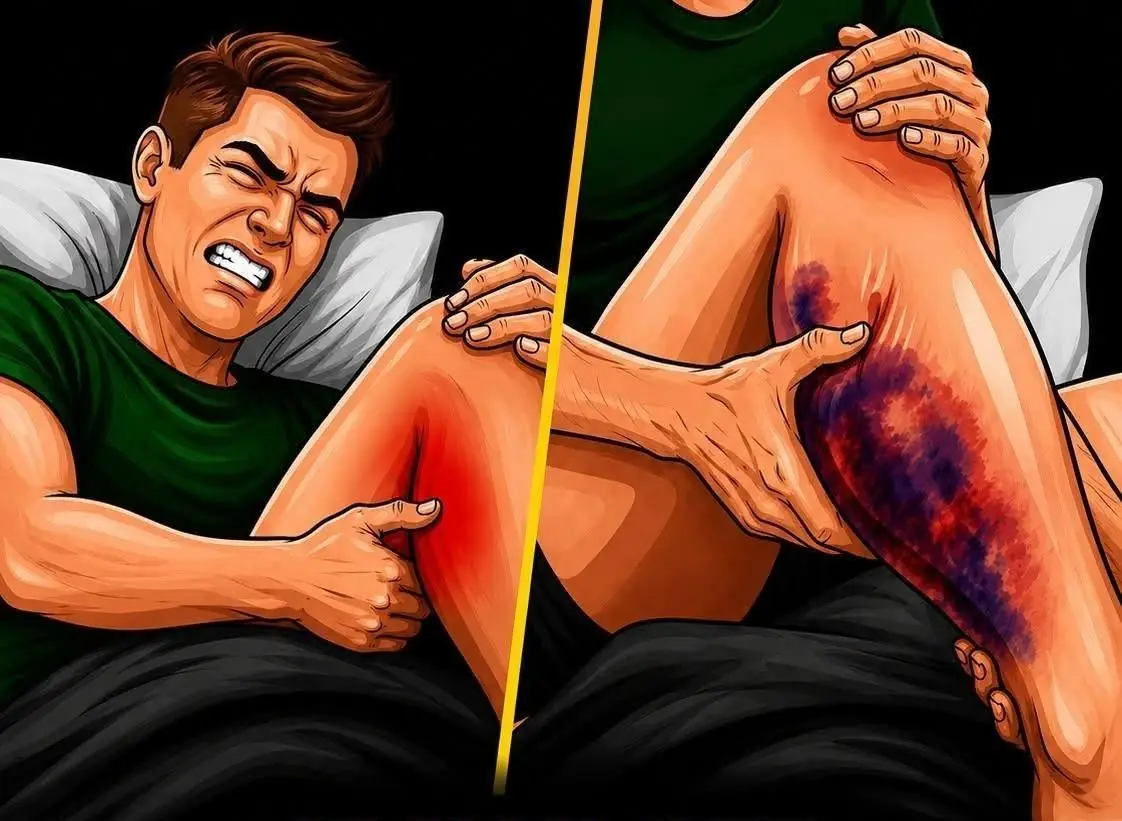
Don't Ignore Leg Cramps at Night. Here's What You Should Know.
Peanuts Are Nutritious, But What Happens When You Eat Too Many? Doctors Explain… 🥜
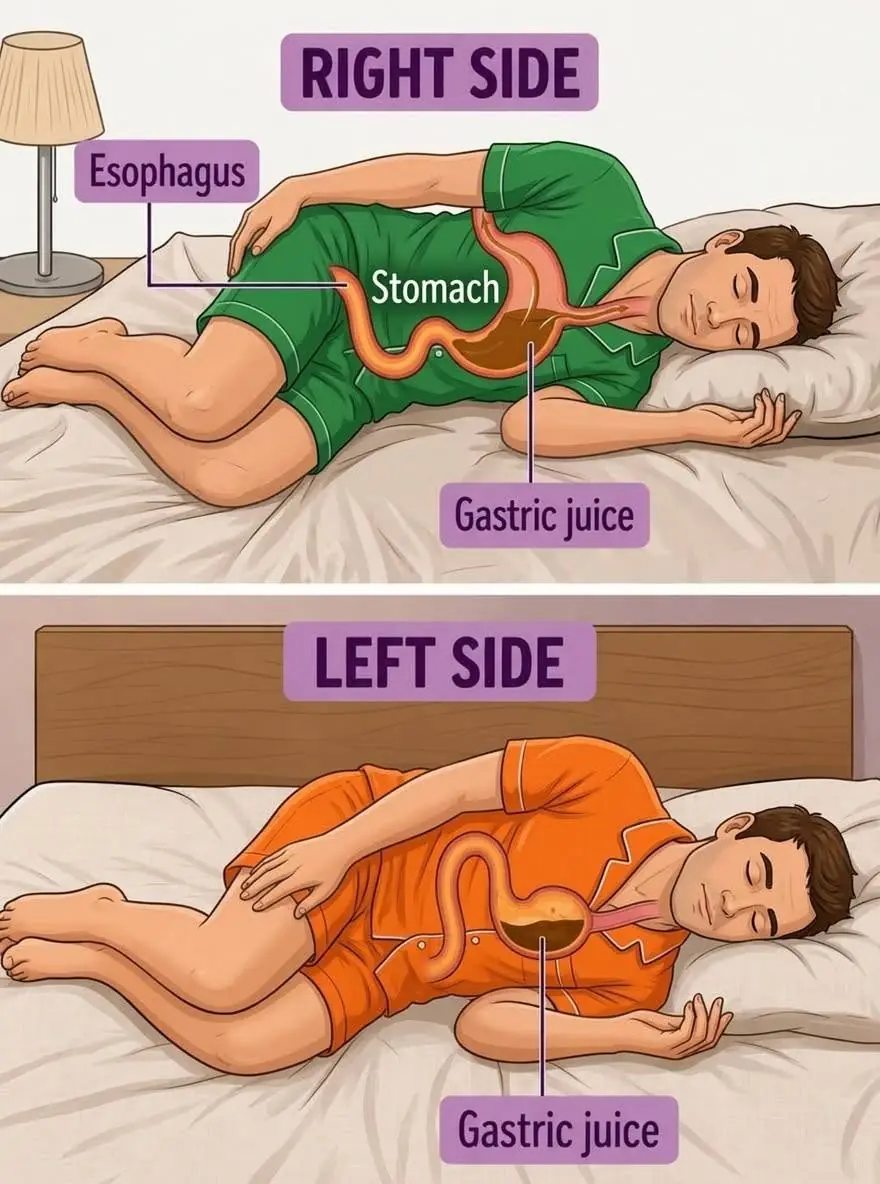
Doctors Say Your Sleeping Position Could Affect Your Health
Eating Walnuts Every Day? Here’s How They May Affect Your Heart, Brain, and More… 🧠❤️

A 56-Year-Old Man Suffered a Stroke at Midnight—Doctors Point to These 4 Drinks.

How to check if honey is real or fake

Thought It Was Just an Allergy, but Doctors Discovered an Unexpected Truth

23 Weird Signs of Kid.ney Disease Most People Will Miss! Doctors Say These Symptoms Should Never Be Ignore
10 Signs Your Kidneys May Be Failing and Crying Out for Help
Seeing More Small Insects Indoors Lately? Here Are Some Possible Reasons…
Doctors Warn: These 4 Bathroom Signs May Appear Before Colon Can.cer
Not every skin growth is harmless—learn when treatment is truly needed.
Healthy eating habits matter, but cancer risk is rarely caused by one food.

Want Your Lemons to Last Longer? Try This Traditional Preservation Method
Orange Peels and Cloves: Traditional Wellness Practices Through a Modern Lens

A forgotten stove became a powerful reminder of everyday kitchen safety.
How Your Sleeping Position May Affect Your Health: What Research Says
Salt water may reveal tiny larvae hiding inside fresh strawberries naturally.
Stop feeding your children these 5 foods immediately.
Doctors Warn: These 4 Popular Foods May Hide Dangerous Parasite
A White Cloth on a Car Window Isn't Random. Here's Why It Matters.
Don't Ignore Leg Cramps at Night. Here's What You Should Know.
Peanuts Are Nutritious, But What Happens When You Eat Too Many? Doctors Explain… 🥜
Doctors Say Your Sleeping Position Could Affect Your Health
Eating Walnuts Every Day? Here’s How They May Affect Your Heart, Brain, and More… 🧠❤️
A 56-Year-Old Man Suffered a Stroke at Midnight—Doctors Point to These 4 Drinks.
How to check if honey is real or fake

Thought It Was Just an Allergy, but Doctors Discovered an Unexpected Truth
23 Weird Signs of Kid.ney Disease Most People Will Miss! Doctors Say These Symptoms Should Never Be Ignore