
The Reason You Sometimes Get Random Stabbing Pains in Your Chest — Finally Explained
Almost everyone has felt it at least once:
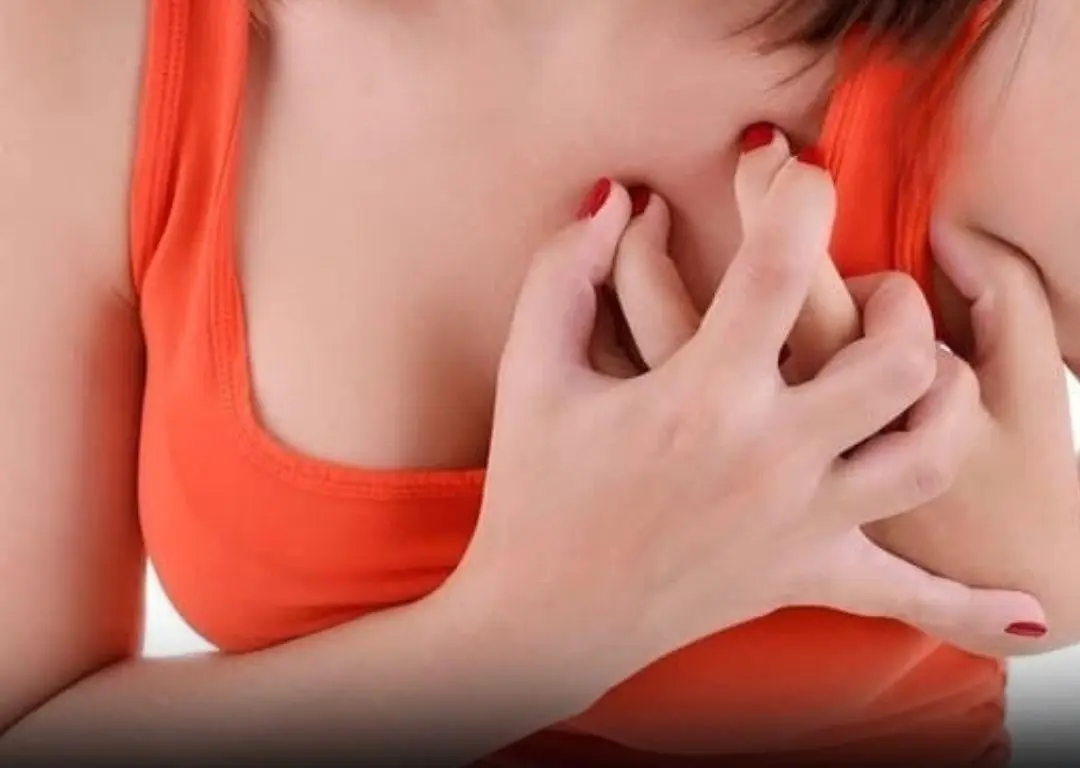
a sudden, sharp, stabbing pain in the chest that appears out of nowhere, lasts a few seconds or minutes, and then disappears just as quickly.
The sensation can be alarming. Chest pain is often associated with heart problems, so it’s natural for fear to kick in.
However, not all chest pain comes from the heart, and many brief, stabbing pains are actually caused by something far less dangerous.
Understanding the difference can help you stay calm, recognize warning signs, and know when medical care is truly needed.
What These Random Stabbing Chest Pains Usually Are
One of the most common explanations is a condition called precordial catch syndrome.
Despite its intimidating name, it is:
-
Benign
-
Non-cardiac
-
Not life-threatening
It often affects:
-
Teenagers and young adults
-
People who sit for long periods
-
Individuals under stress or with poor posture
The pain typically:
-
Feels sharp or knife-like
-
Is localized to a small area of the chest
-
Gets worse when taking a deep breath
-
Lasts seconds to a few minutes
-
Goes away on its own
Importantly, it does not damage the heart or lungs.
Why Does Precordial Catch Syndrome Happen?
Doctors believe it is caused by temporary irritation or pinching of nerves in the chest wall, particularly near the ribs.
Common triggers include:
-
Slouching or poor posture
-
Sudden movement
-
Rapid growth (in adolescents)
-
Shallow breathing
-
Stress or anxiety
Because the pain is nerve-related, it can feel intense even though nothing serious is happening internally.
Other Non-Dangerous Causes of Sharp Chest Pain
Muscle Strain
Overuse, sudden twisting, or even coughing can strain chest muscles.
Pain often:
-
Worsens with movement
-
Improves with rest
-
Feels tender when pressed
Costochondritis
This is inflammation where the ribs connect to the breastbone.
Pain may:
-
Be sharp or aching
-
Worsen with deep breathing
-
Feel worse when pressing the chest
Anxiety or Panic
Anxiety can create very real physical symptoms.
Chest pain from anxiety may come with:
-
Rapid heartbeat
-
Shortness of breath
-
Dizziness
-
Tingling sensations
The pain is real — but not caused by heart damage.
When Chest Pain Is NOT Likely to Be Serious
Chest pain is usually less concerning if it:
-
Lasts only a few seconds or minutes
-
Is sharp rather than crushing
-
Happens at rest
-
Changes with posture or breathing
-
Goes away on its own
These patterns point away from heart-related causes.
When Chest Pain Requires Immediate Medical Attention
You should seek urgent care if chest pain:
-
Feels like pressure, tightness, or squeezing
-
Radiates to the arm, jaw, back, or neck
-
Comes with sweating, nausea, or vomiting
-
Occurs with shortness of breath
-
Lasts more than a few minutes
-
Worsens with physical exertion
These symptoms can signal a heart attack or serious condition, especially in adults with risk factors.
Why the Heart Isn’t Always the Cause
The chest contains:
-
Muscles
-
Bones
-
Nerves
-
Lungs
-
Digestive structures
Pain signals from these areas can feel very similar, even though the causes are completely different.
That’s why sharp, brief chest pain is far more often musculoskeletal or nerve-related than cardiac.
How to Reduce These Random Chest Pains
Simple steps that often help:
-
Sit and stand with better posture
-
Stretch your chest and upper back
-
Take slow, deep breaths
-
Manage stress levels
-
Avoid slouching for long periods
Many people notice the pain becomes less frequent over time.
 What This Pain Does NOT Automatically Mean
Random stabbing chest pain does NOT automatically mean:
-
Heart disease
-
A heart attack
-
Lung collapse
-
A life-threatening condition
Most cases are harmless.