In Ansan, the hometown of Danwon High School, the loss was deeply personal. Classrooms, school corridors, and familiar gathering places became reminders of the students who would never return. Families and friends continued to honor the young people whose lives had ended during what was supposed to be a joyful school trip.
The tragedy also changed how many South Koreans thought about public safety. It raised difficult questions about whether regulations were being enforced, whether emergency personnel were adequately prepared, and whether people in positions of authority understood the responsibility that came with their jobs.
A ferry disaster can involve complicated technical factors, but the basic duty of passenger safety is straightforward. Ships must be maintained properly. Cargo must be secured. Passenger limits must be respected. Crew members must be trained to respond to emergencies. Most importantly, evacuation instructions must be clear, timely, and appropriate to the actual danger.
The Sewol disaster demonstrated what can happen when these responsibilities fail at the same time.
Years later, the names and photographs of the victims remain part of South Korea's collective memory. Memorial events continue to bring families, former classmates, and members of the public together. The yellow ribbon remains a reminder that remembrance is not simply about looking backward. It is also about demanding safer systems in the future.
The story of the Sewol is often remembered through its most heartbreaking images: a giant white ferry leaning into the sea, rescue helicopters circling overhead, parents waiting for news, and students sending messages to the people they loved.
But behind those images were 304 lives lost and countless people whose futures were changed forever.
The students had boarded the ferry expecting an adventure. They had planned to laugh with friends, explore Jeju Island, take photographs, and return home with stories to tell. Their families had expected ordinary phone calls and happy reunions.
Instead, the voyage became one of the darkest maritime tragedies in South Korea's modern history.
The Sewol disaster remains a warning about the consequences of negligence, failed leadership, and the terrible cost of ignoring safety. It is also a reminder of the courage shown by people who tried to protect others when the systems around them failed.
The most important legacy of the tragedy is not the ship itself, nor the legal sentences handed down afterward. It is the responsibility to remember the people who were lost—and to ensure that their deaths are never treated as merely another statistic.
A school trip should have ended with photographs, souvenirs, and stories shared among friends.
For the families of the Sewol victims, that ordinary ending never came.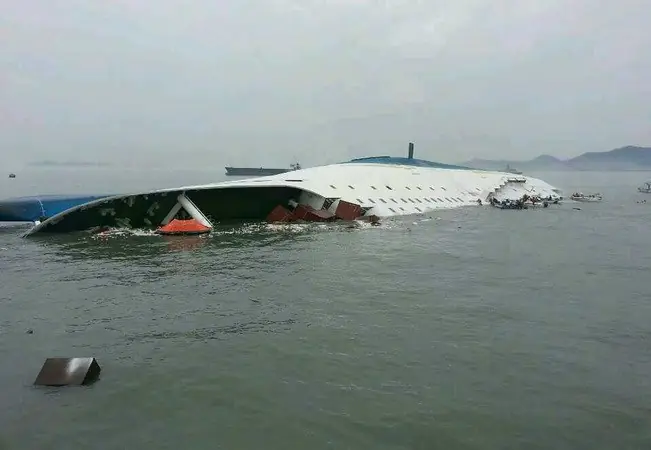
The Promise That Must Never Be Forgotten
Beyond the investigations, courtrooms, and public memorials, the Sewol tragedy left behind something that cannot be measured in numbers: the empty spaces in the lives of those who survived.
For parents, the passage of time did not mean that grief disappeared. Birthdays arrived without the children they had once celebrated. Graduation seasons brought memories of classmates who never had the opportunity to finish school. Ordinary moments—a familiar song, an old photograph, or a message saved on a phone—could suddenly bring back the morning when everything changed.
Former classmates also carried the memories of their friends into adulthood. Some continued their education, built careers, and started families, but the experience of losing so many people at such a young age remained part of their lives. Their memories became a reminder of the futures that had been taken away.
The yellow ribbons associated with the Sewol disaster came to represent more than mourning. They became symbols of remembrance, solidarity, and the demand for responsibility. Each ribbon expressed a simple message: these lives mattered, and what happened must not be forgotten.
There is also an important lesson for future generations. Safety regulations are not meaningless paperwork, and emergency announcements are not merely formal procedures. They exist because real people depend on them. Every inspection, every properly secured cargo load, every trained crew member, and every effective rescue plan can make the difference between survival and tragedy.
The students who boarded the Sewol on April 15, 2014, were expecting to return home with happy memories. Their families were expecting to welcome them back. Neither imagined that the journey would become a defining tragedy for an entire nation.
More than a decade later, remembering the Sewol means remembering each person behind the statistics and continuing to demand a world in which responsibility, preparedness, and human life always come before convenience or profit.