Why the Legs Often Show Problems First
Many people notice it gradually - legs feeling weaker, more tired, or less stable over time. Whether it’s difficulty climbing stairs, standing for long periods, or maintaining balance, the legs are often the first part of the body to show signs of decline.
This isn’t a coincidence. According to health experts, there are several physiological and lifestyle reasons why the legs tend to “fail” earlier than other areas.
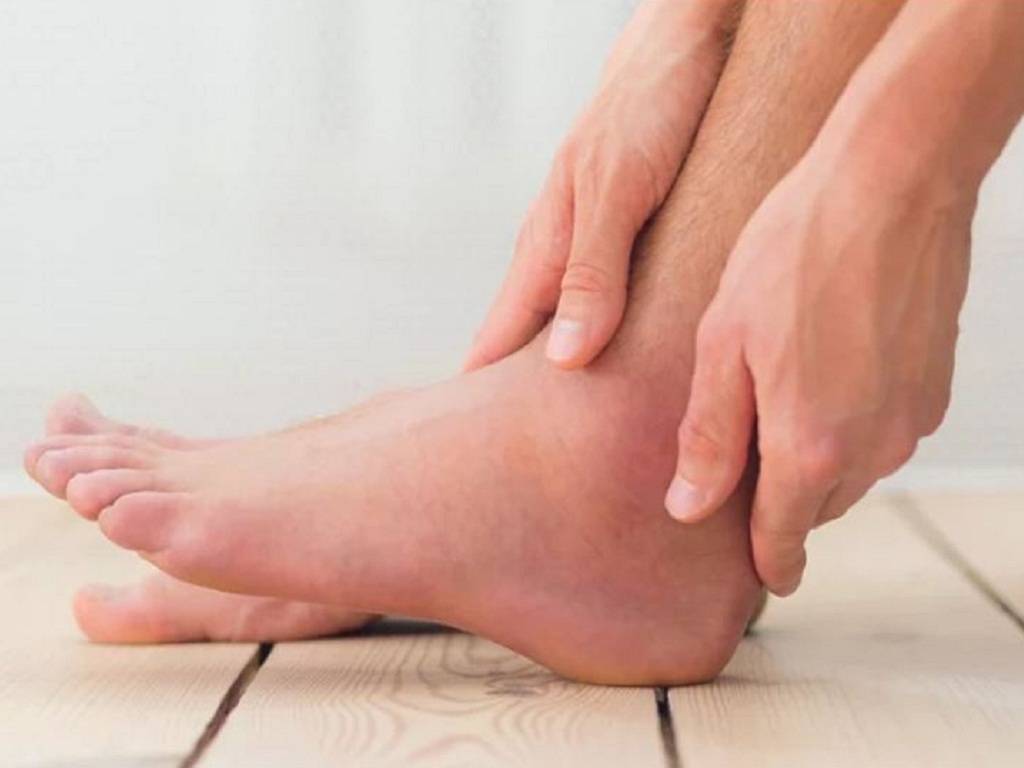
1. The Legs Carry the Body’s Full Weight
Your legs are responsible for supporting your entire body weight every single day.
This constant load leads to:
- Increased wear and tear on muscles and joints
- Higher stress on bones and ligaments
- Greater risk of fatigue and strain
Over time, this continuous pressure makes the legs more vulnerable to weakness and discomfort.
2. Muscle Loss Happens Faster Than You Think
As people age, the body naturally loses muscle mass - a process known as sarcopenia.
The legs are especially affected because:
- They contain some of the largest muscle groups in the body
- These muscles require regular use to stay strong
- Inactivity leads to faster decline
Even small reductions in activity can result in noticeable weakness in the legs.
3. Reduced Blood Circulation
Healthy legs depend on efficient blood flow. However, circulation can decline due to:
- Sedentary lifestyle
- Aging
- Certain health conditions
Poor circulation may cause:
- Heaviness in the legs
- Cramping
- Reduced endurance
Because the legs are farthest from the heart, they are more affected by circulation issues.
4. Nerve Sensitivity and Signal Transmission
The legs rely on a complex network of nerves to control movement and balance.
When nerve function is affected, it can lead to:
- Tingling or numbness
- Reduced coordination
- Weakness in movement
Since the legs are involved in almost every physical activity, even small nerve issues can become noticeable quickly.
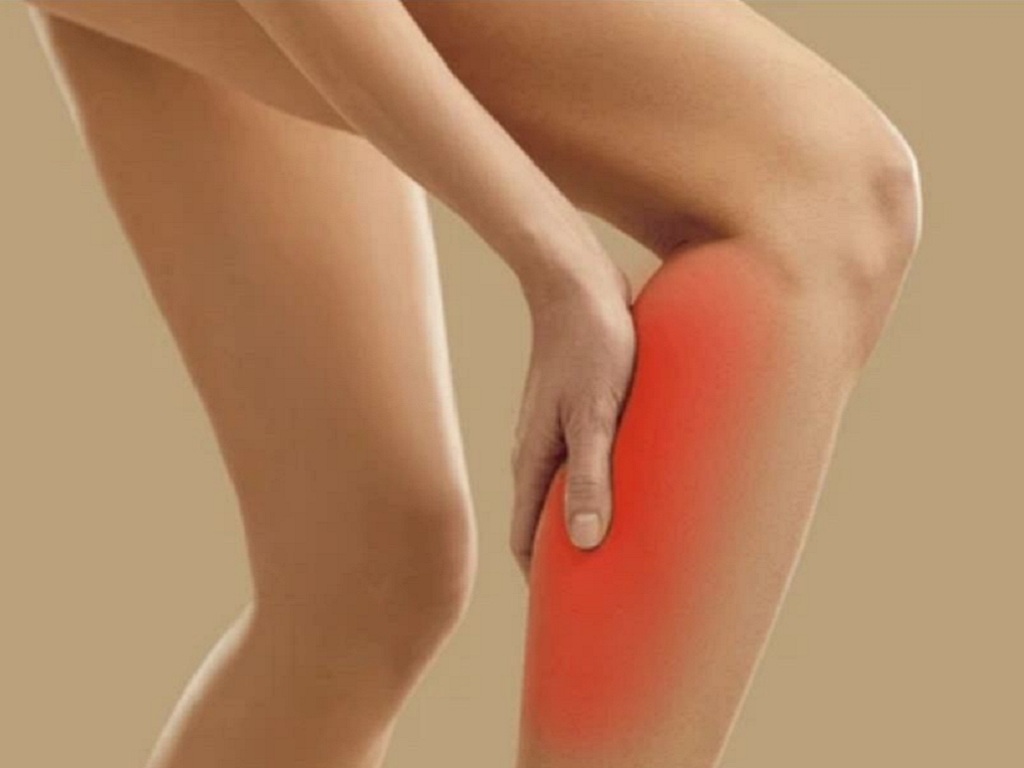
5. Lack of Physical Activity
Modern lifestyles often involve long periods of sitting - at desks, in cars, or at home.
This leads to:
- Reduced muscle engagement
- Weakening of leg strength
- Stiff joints and reduced flexibility
The less the legs are used, the faster they lose strength and stability.
6. Joint Wear and Tear
The joints in the legs—especially the knees and hips—are constantly in use.
Over time, they may experience:
- Cartilage wear
- Reduced mobility
- Discomfort during movement
This can make simple activities like walking or standing more difficult.
7. Balance and Stability Decline
The legs play a key role in maintaining balance. When strength or coordination decreases:
- Stability becomes compromised
- The risk of falls increases
- Movement feels less controlled
This is often one of the first noticeable changes people experience.
Early Signs Your Legs May Be Weakening
Some common signs include:
- Difficulty climbing stairs
- Feeling tired after short walks
- Muscle cramps or stiffness
- Trouble standing up from a seated position
These signs may seem minor at first but can become more significant over time.
How to Keep Your Legs Strong
The good news is that leg strength can be maintained—and even improved—with consistent habits.
Stay Active
Regular movement is essential. Walking, stretching, and light exercises can help maintain strength.
Strength Training
Exercises like squats or leg raises help build and preserve muscle.
Maintain a Balanced Diet
Nutrients such as protein, calcium, and vitamins support muscle and bone health.
Improve Circulation
Avoid sitting for long periods and take breaks to move around.
Stay Hydrated
Proper hydration supports muscle function and reduces cramping.
A Balanced Perspective
It’s important to remember that some changes in strength are a natural part of aging. However, early decline is not inevitable. Many factors - especially lifestyle choices play a major role in how the body changes over time.

Final Thoughts
The legs are often the first to show signs of weakness because they carry the body’s weight, rely heavily on circulation and muscle strength, and are directly affected by daily habits.
The key is not to wait until problems become severe. By staying active, maintaining good nutrition, and paying attention to early signs, you can support your legs and overall mobility for years to come.
Sometimes, the first signals from your body are not warnings of failure - but reminders to take better care of yourself.