Benefits of Omega-3 Fatty Acids for the Body
The body needs omega-3s to function normally, especially the brain. Adequate omega-3 supplementation in the daily diet is associated with a reduced risk of cardiovascular disease. According to the US National Institutes of Health, men need 1600mg of omega-3s per day and women need 1100mg/day.
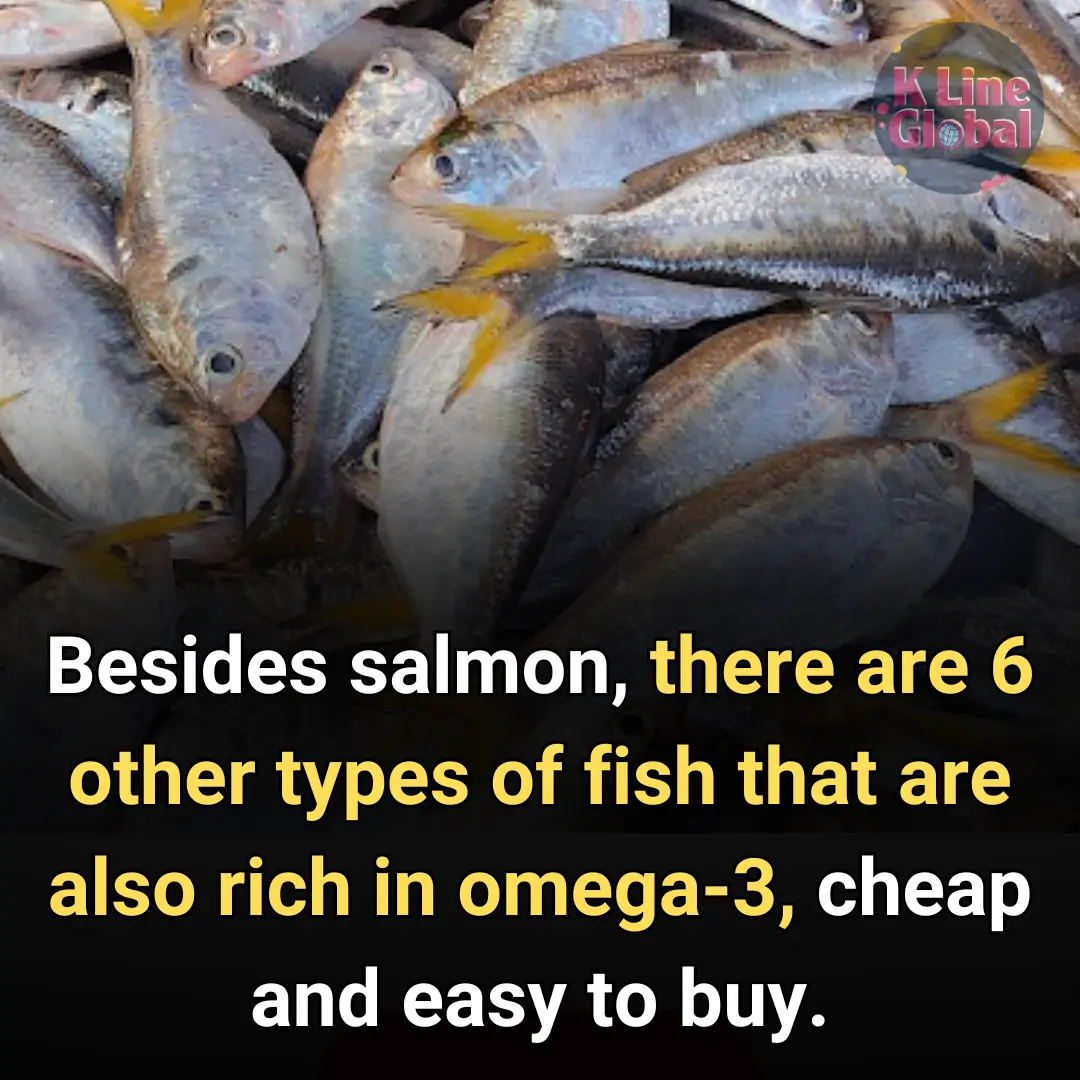
Omega-3 fatty acids are found in fatty fish, algae, and some fatty plants. Fatty fish contain high levels of two main types of omega-3s: eicosapentaenoic acid (EPA) and docosahexaenoic acid (DHA). Meanwhile, alpha-linoleic acid (ALA) is a type of omega-3 derived from plants.
Many health organizations recommend that healthy adults consume 250-500mg of EPA and DHA/day. The American Heart Association recommends eating at least 2 servings of fish per week, with 1 serving being equal to 100 grams of cooked fish.
Some types of fish rich in omega-3s
Most people will think of salmon when mentioning fish rich in omega-3s. This type of fish is rich in high-quality protein and other nutrients such as vitamin D, vitamin B, selenium. 100 grams of salmon contains 2150 mg of EPA and DHA combined.
In addition to salmon, there are many other types of fish that also contain abundant amounts of omega-3s.
- Mackerel
Mackerel is a small fatty fish that is high in omega-3s. 100 grams of mackerel can provide 500% of the Daily Value (DV) for vitamin B12 and 130% for selenium.
100 grams of mackerel provides 4580 mg of EPA and DHA combined.
- Herring
Herring is a medium-sized fatty fish, often sold cold-smoked, pickled or pre-cooked.
100 grams of mackerel can provide 100% of the Daily Value for selenium and 779% (DV) for vitamin B12; contains 2150mg of EPA and DHA combined.
- Sardines
Sardines are small, protein-rich fish, often used as snacks and appetizers. They are packed with nutrients that the body needs. 149 grams of canned Atlantic sardines provide 1463mg of EPA and DHA combined. 100 grams of drained sardines provide more than 370% of the DV for vitamin B12, 24% for vitamin D and 96% for selenium.
Sardines are small fatty fish that are rich in omega-3s.
- Anchovies
Anchovies are small fish that are excellent sources of niacin and selenium. Anchovies with bones are also a great source of calcium. They are often sold canned or dried.
100 grams of anchovies provide a combined 2053 mg of EPA and DHA.
- Halibut
Halibut has a milder taste than most other oily fish. This fish is a good source of omega-3s, protein, niacin, and potassium.
100 grams of Alaskan halibut has only 90 calories and provides 19 grams of protein. In addition, each serving of this fish also contains up to 435 mg of potassium.
- Tuna
Tuna is rich in protein, omega-3s, magnesium, potassium, vitamin B12, and niacin. 100 grams of canned whitebait in water provides 130 calories, 28 grams of protein, and 2-3 grams of heart-healthy fats.