These 6 Everyday Items Could Be Quietly Harming Your Lungs — Most People Use Them Daily
Lung cancer is often associated with smoking, but health experts warn that many everyday household items may also pose hidden risks to respiratory health. Long-term exposure to certain substances commonly found in daily life can gradually damage the lungs without obvious warning signs.
As awareness grows, experts are urging people to take a closer look at their environment — especially the products they use regularly at home.
1. Scented Candles and Incense
While often used to create a relaxing atmosphere, scented candles and incense release fine particles and chemical compounds when burned. In poorly ventilated spaces, these substances can irritate the lungs and contribute to long-term respiratory issues.
2. Mosquito Coils
Mosquito coils are widely used in many households, but studies suggest that the smoke they produce may contain harmful chemicals. Prolonged exposure, especially in enclosed rooms, can negatively affect lung health.
3. Cooking Oil Fumes
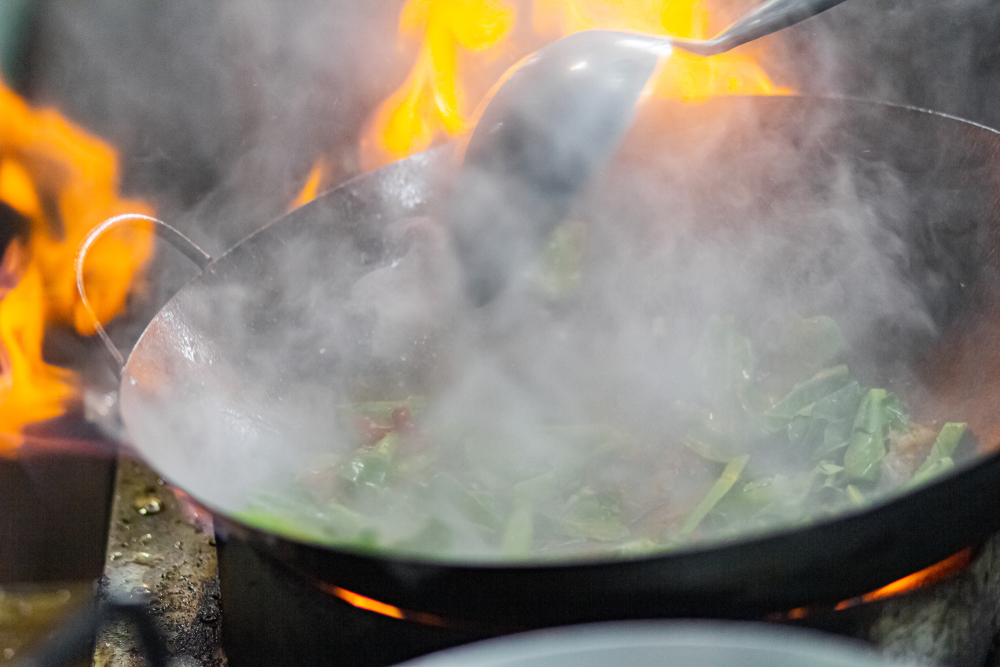
Cooking at high temperatures — particularly frying — can release oil fumes that contain potentially harmful compounds. Without proper ventilation, these fumes may be inhaled regularly, increasing the risk of respiratory irritation over time.
4. Household Cleaning Products
Many cleaning products contain strong chemicals that can release fumes during use. Frequent exposure, especially without protective measures, may irritate the airways and affect lung function.
5. Air Pollution Indoors
Indoor air pollution is often overlooked. Dust, mold, and chemical residues from furniture or building materials can accumulate over time, creating an environment that may impact long-term respiratory health.
6. Secondhand Smoke
Even if you do not smoke, exposure to secondhand smoke remains a major risk factor. Continuous inhalation of smoke from others can damage lung tissue and increase the likelihood of serious health problems.
Why These Risks Are Often Ignored
One of the biggest dangers is that these exposures are part of everyday life. Because the effects are gradual and symptoms may not appear immediately, many people underestimate the long-term impact on their lungs.
What You Can Do to Protect Yourself
Experts recommend simple but effective steps:
- Improve ventilation when cooking or using scented products
- Limit the use of chemical-heavy cleaning agents
- Avoid enclosed spaces with smoke or strong fumes
- Maintain clean indoor air by reducing dust and mold
Small changes in daily habits can significantly reduce exposure to harmful substances.
Key Takeaway
Lung health is influenced not only by major risk factors like smoking, but also by the environment we live in every day. Recognizing hidden risks in common household items is the first step toward better long-term health.