H. pylori Infection Is Rising — 5 Warning Signs You Should Never Ignore
In recent years, infections caused by Helicobacter pylori (H. pylori) have been steadily increasing, becoming a growing concern for digestive health worldwide. This bacterium, which lives in the stomach lining, is a major cause of gastritis, peptic ulcers, and even stomach cancer if left untreated.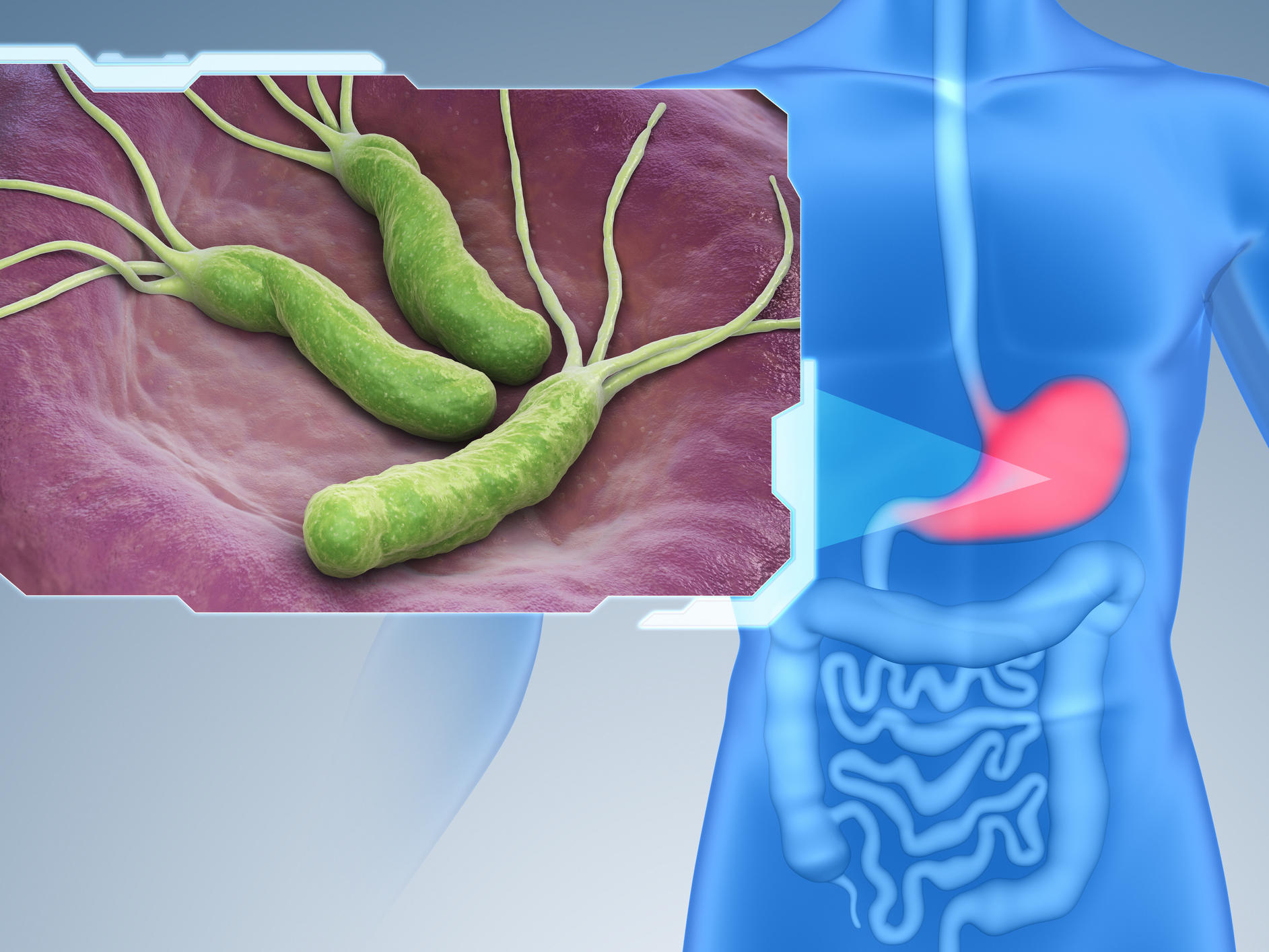
What makes H. pylori especially dangerous is that many people carry the bacteria without realizing it. Symptoms are often mild or mistaken for common digestive issues—until the condition becomes severe.
5 Symptoms of H. pylori You Should Watch Out For
1. Persistent or Burning Stomach Pain
One of the most common signs is a dull or burning pain in the upper abdomen. This discomfort often becomes worse when the stomach is empty and may temporarily improve after eating.
2. Frequent Bloating and Gas
If your stomach feels constantly full, tight, or swollen—even after eating small amounts—this could be linked to H. pylori disrupting digestion and stomach acid balance.
3. Nausea or Upset Stomach
Recurring nausea, sometimes accompanied by vomiting, is another warning sign. This happens because the stomach lining becomes inflamed due to the infection.
4. Loss of Appetite
Many people with H. pylori report feeling full quickly or losing interest in food altogether. Over time, this can lead to unintended weight loss.
5. Unexplained Weight Loss
When symptoms like nausea, pain, and reduced appetite persist, they can result in noticeable weight loss—an important sign that the condition may be progressing.
Why You Shouldn’t Ignore These Signs
Although many infections remain silent, untreated H. pylori can lead to serious complications such as:
- Chronic gastritis
- Stomach and duodenal ulcers
- Increased risk of stomach cancer
In severe cases, symptoms like black stools or vomiting blood may appear—indicating internal bleeding and requiring immediate medical attention.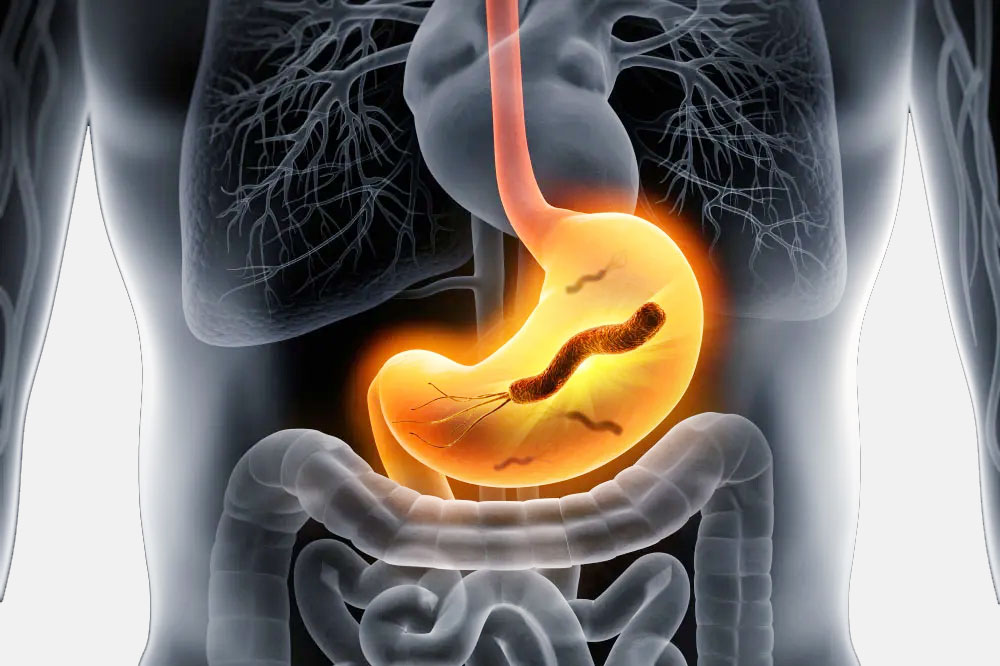
The Key Takeaway
H. pylori infection doesn’t always show obvious symptoms at first—but when it does, the warning signs are often subtle and easy to ignore.
Recognizing these early signals and seeking timely medical advice can make a significant difference, preventing long-term damage to your digestive system.