These Are the Consequences of Sleeping With Someone: What the Viral Skin-Rash Image Really Tells Us
A photograph of a woman’s neck and upper chest covered in red, inflamed patches can make anyone stop scrolling. The accompanying headline is deliberately unfinished: “These are the consequences of sleeping with...” It leaves readers imagining the worst, suggesting that one intimate encounter might lead to a shocking physical transformation.
But is that really what the picture proves?
The answer is more complicated than the headline suggests. Intimate contact can involve genuine health risks, including sexually transmitted infections, allergic reactions, skin irritation, and unexpected infections. Some conditions can cause visible changes to the skin, while others may remain unnoticed for weeks or even months. At the same time, a red rash on the neck and chest does not automatically mean that someone has had sexual contact or contracted an infection.
The distinction matters. A frightening photograph without a confirmed diagnosis can create unnecessary panic, encourage people to blame the wrong cause, and make ordinary medical problems seem more mysterious than they are.
There is, however, an important conversation hidden behind this viral headline. What can happen to the body after intimate contact? Which symptoms deserve attention? How can someone distinguish irritation from a possible infection? And what should a person do when an unusual rash appears?
To understand the real answer, it is necessary to look beyond the dramatic image and examine the medical possibilities one by one.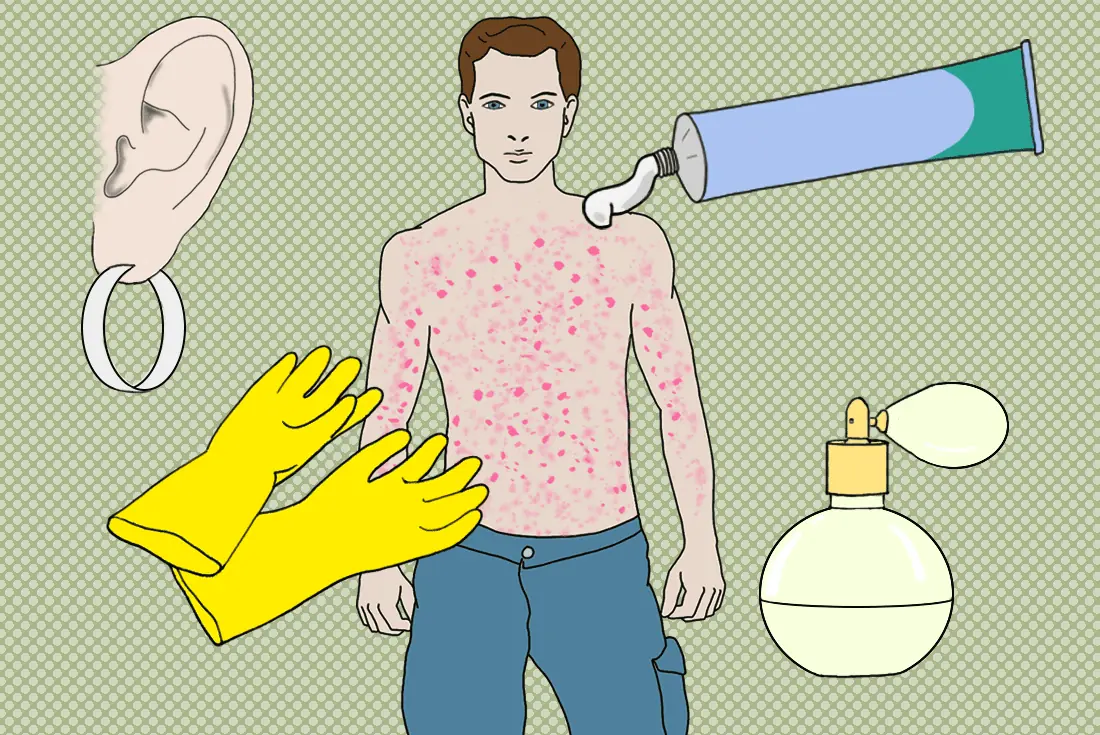
What the Photograph Actually Shows
The image accompanying the headline shows a person’s neck, collarbone area, and upper chest covered in irregular reddish patches. Some areas appear more inflamed than others, and the affected skin has an uneven appearance.
It is understandable that viewers might associate such a photograph with an allergic reaction, infection, or another medical condition. However, an image alone cannot establish the cause.
A dermatologist would normally consider several details before identifying a rash:
-
When did the skin changes first appear?
-
Did they develop suddenly or gradually?
-
Are they itchy, painful, warm, or sensitive?
-
Have they spread to other parts of the body?
-
Has the person recently used a new soap, perfume, lotion, detergent, or medication?
-
Was there contact with a new material, cosmetic product, or substance?
-
Are there additional symptoms such as fever, swollen lymph nodes, blisters, or unusual sores?
These questions are essential because many different conditions can produce similar-looking skin changes.
For example, contact dermatitis can cause redness, itching, swelling, and sometimes small blisters. Hives can produce raised patches that change location or disappear and reappear. Certain infections can also cause rashes, although their appearance and distribution vary considerably.
The photograph does not establish that the person has a sexually transmitted infection. It also does not prove that the rash developed after intimate contact.
That is the first fact readers should understand: a visible rash is a symptom, not a diagnosis.
Why the Phrase “Sleeping With Someone” Attracts Attention
The wording of the headline is designed to create suspense. It does not explain what happened, identify a medical condition, or provide a confirmed diagnosis. Instead, it invites readers to complete the sentence themselves.
This technique is common in online content because subjects involving intimacy, health, and unexpected physical changes naturally attract curiosity.
People may wonder whether the article is discussing an infection, an allergic reaction, an unusual skin condition, or a warning about personal hygiene. The image then strengthens the impression that something serious has happened.
However, sensational wording can blur the difference between a genuine medical warning and an unsupported conclusion.
There are real consequences associated with unprotected sexual contact. Sexually transmitted infections can affect the genitals, mouth, throat, skin, and other parts of the body. Some infections cause visible symptoms, while others produce no obvious signs.
But not every health problem that appears after intimacy is caused by intimacy.
A rash may occur because of friction, sweat, cosmetics, laundry detergent, or an unrelated skin condition. Even when symptoms begin shortly after sexual contact, timing alone does not prove the cause.
The most useful approach is to treat the headline as an invitation to discuss sexual health, not as proof that the photograph shows a particular consequence.
The First Possible Consequence: Skin Irritation and Contact Dermatitis
One of the more ordinary explanations for skin irritation after intimate contact is contact dermatitis.
Contact dermatitis occurs when the skin reacts to something it touches. It can be caused by direct irritation or by an allergic response.
Irritant contact dermatitis develops when a substance or physical exposure damages the skin's protective barrier. Allergic contact dermatitis occurs when the immune system reacts to a substance that the body has become sensitized to.
In intimate situations, possible triggers include:
-
Fragranced body washes and shower gels.
-
Perfumes and scented lotions.
-
Certain lubricants.
-
Latex or chemicals used in some condoms.
-
Spermicides.
-
Laundry detergents and fabric softeners.
-
Tight clothing that traps moisture.
-
Excessive friction.
-
Products used for intimate cleansing.
The symptoms can include redness, itching, burning, dryness, scaling, and small bumps. In some cases, the skin may become swollen or develop blisters.
The location depends on where the irritating substance made contact. A reaction to perfume sprayed around the neck, for example, could affect the neck and upper chest. A reaction to a lubricant or condom material would more commonly affect the area exposed to that product.
This distinction is important when considering the photograph. A rash on the neck and upper chest should not automatically be attributed to sexual contact. A new perfume, necklace, cosmetic product, or clothing material could be a more relevant explanation.