The examination will depend on the location and nature of the symptoms.
If an STI is suspected, testing may involve urine samples, blood tests, or swabs. The type of sample depends on the infection and the site of exposure.
For example, a urine test alone may not detect an infection in the throat. A person may need a throat swab if oral exposure is relevant.
This is one reason why explaining the type of contact honestly can help the clinician choose appropriate tests.
If the rash appears to be a skin condition unrelated to an STI, the doctor may recommend dermatological treatment or further examination.
The goal is not to make assumptions. It is to identify the most likely explanation and treat it appropriately.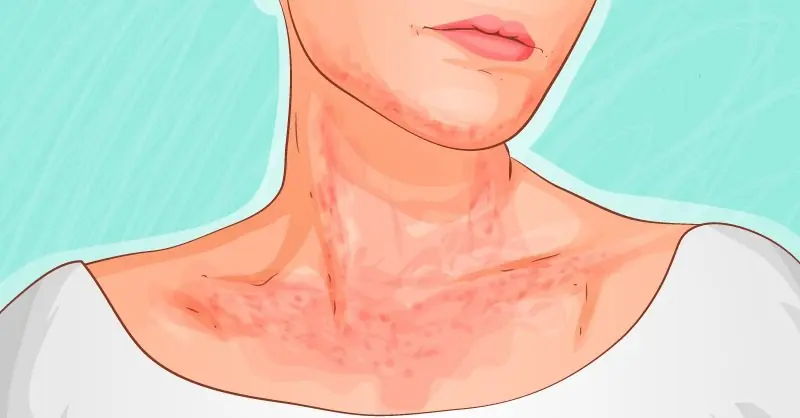
Can Someone Have an STI Without Any Visible Rash?
Yes.
Many STIs do not cause a visible rash. Some cause no symptoms at all.
Chlamydia and gonorrhea may remain unnoticed. HPV infections often produce no visible signs. HIV cannot be diagnosed by looking at a person's skin, and many people with HIV do not have a recognizable rash.
Conversely, someone can have a dramatic rash without having an STI.
This is why visible appearance is a poor substitute for testing.
A person should not assume that a partner is infection-free because their skin looks normal. Nor should someone assume that a person with a rash has an STI.
Medical testing is the only reliable way to answer many of these questions.
The Role of Regular Testing in Sexual Health
Testing is often treated as something people do only when they feel sick. A more effective approach is to view it as a normal part of responsible sexual healthcare.
The recommended testing schedule depends on personal circumstances.
Someone with a new partner may wish to discuss testing before sexual contact. People with multiple partners may need more frequent screening. Pregnant people may be offered screening for certain infections as part of prenatal care.
A person who has had unprotected contact or whose partner has been diagnosed with an STI should seek medical advice even if no symptoms are present.
Testing also helps reduce the chance of unknowingly transmitting an infection.
If a test is positive, treatment and partner notification are important. Some infections require follow-up testing to confirm that treatment has worked or to check for reinfection.
The process can feel uncomfortable, but it is a practical way to protect both individual and public health.
The Difference Between a Temporary Reaction and an Infection
One of the most confusing aspects of skin symptoms is that irritation and infection can sometimes look similar.
A temporary irritant reaction may appear soon after contact with a product or after friction. It may improve when the trigger is removed.
An allergic reaction can appear after repeated exposure, even if the person previously used the product without a problem.
An infection may develop over a different time frame and can produce symptoms that vary depending on the organism.
However, these patterns are not reliable enough to diagnose a condition at home.
For example, herpes symptoms may appear after exposure, but timing varies. Syphilis may begin with a painless sore that is easy to overlook. Contact dermatitis can also develop hours or days after exposure.
The safest approach is to consider the full medical history and seek testing when necessary.
Why Shame Should Never Prevent Someone From Seeking Help
Sexual health remains a sensitive subject in many communities. People may worry about being judged, misunderstood, or blamed.
This fear can lead to delays in testing and treatment.
But STIs are infections, not moral judgments. They can affect people from every age group, background, and relationship status.
A person who discovers an infection should focus on receiving appropriate care and preventing further transmission.
Healthcare professionals are accustomed to discussing these issues. Patients can ask questions about confidentiality, treatment, testing, and partner notification.
If a person feels uncomfortable with one provider, they may be able to request another clinician or attend a specialized sexual health service.
The important thing is not to allow embarrassment to become a barrier to care.
The Real Answer Behind the Viral Headline
So, what are the consequences of sleeping with someone?
There is no single answer, because intimate contact can have different outcomes depending on the people involved, the type of contact, protection used, and individual health circumstances.
Possible consequences include emotional closeness, pleasure, pregnancy, temporary irritation, allergic reactions, and sexually transmitted infections.
Some infections can cause visible sores or rashes. Others may remain unnoticed. Some skin reactions have nothing to do with sexual activity at all.
The photograph of the red rash on the neck and chest does not reveal which explanation applies. Without a confirmed diagnosis and medical history, it would be misleading to claim that it shows the result of a particular intimate encounter.
The more important message is that people should pay attention to unusual symptoms without jumping to conclusions.
A persistent rash, unexplained sores, unusual discharge, pain during urination, or other concerning symptoms deserve medical assessment. Anyone worried about exposure should ask about appropriate testing rather than waiting for symptoms to become severe.
And when it comes to prevention, honest communication, barrier protection, regular testing, and gentle skin care remain far more valuable than frightening online headlines.
The image may have stopped people from scrolling, but the real lesson is not that intimacy inevitably causes a shocking skin condition. It is that understanding the body, recognizing genuine warning signs, and seeking reliable medical advice can help people make safer decisions.