Some people keep their phones nearby because they care for children, older relatives, or family members who may need urgent assistance.
In these circumstances, removing the device completely may not be practical.
Instead, the user can adjust notification settings to allow calls from selected contacts while silencing nonessential alerts. They can also use emergency bypass features where available, depending on the phone model and operating system.
It is worth testing the settings during the day to make sure important calls can still come through.
The goal is not to become unreachable. It is to avoid being disturbed by every application, advertisement, or routine update.
How to tell whether your phone is affecting your sleep
People do not need complicated equipment to begin observing their own habits.
For one week, they can pay attention to a few simple questions:
-
What time do they stop using the phone?
-
How long do they usually spend scrolling after getting into bed?
-
Do notifications wake them during the night?
-
Do they feel tempted to check the phone when they wake briefly?
-
How rested do they feel in the morning?
-
Is it easier to fall asleep on nights when they put the phone away earlier?
A short sleep diary may reveal patterns that are difficult to notice from memory alone.
For example, someone may discover that they fall asleep more easily on evenings when they stop checking work messages earlier. Another person may notice that social media use delays bedtime even when the screen brightness is low.
These observations cannot diagnose a sleep disorder, but they can help identify habits worth changing.
Give the new routine time
Changing a long-established habit can be difficult.
Someone who has spent years checking messages in bed may automatically reach for the phone even after deciding to stop. This does not mean the effort has failed. Habits often require repetition before a new routine feels natural.
It may help to begin with one specific change rather than trying to transform the entire evening at once.
For example, a person could first silence social media notifications at night. After several days, they could move the charger away from the bed. Later, they might introduce a 30-minute screen-free period.
Small changes are easier to maintain when they fit naturally into daily life.
If one approach does not work, the person can adjust it. Someone who needs the phone for emergency calls may keep it in the bedroom but place it farther away. Someone who relies on an alarm may use a separate clock.
There is no need to pursue perfection. The purpose is to reduce avoidable disruption.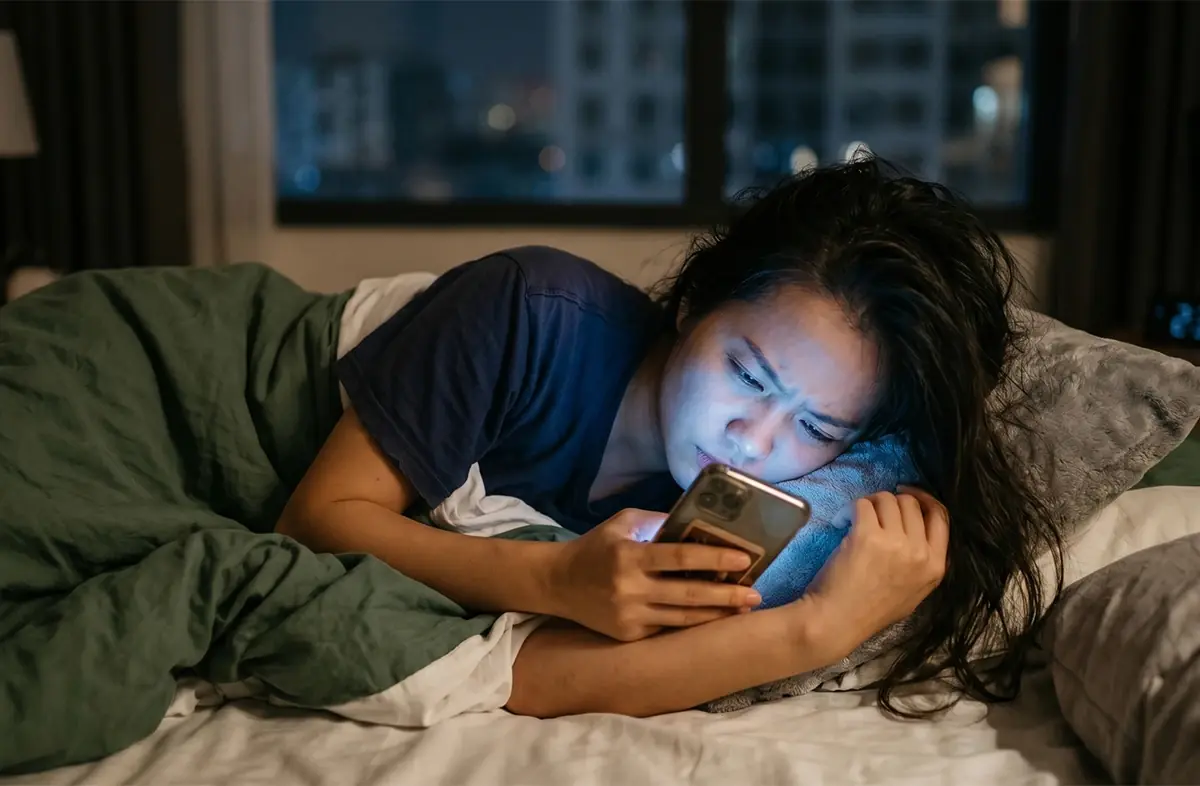
When better phone habits are not enough
Although nighttime smartphone use can contribute to poor sleep, it is not the explanation for every sleep problem.
Some people experience persistent difficulty falling asleep even when they avoid screens. Others wake repeatedly, snore loudly, experience breathing interruptions, or feel excessively sleepy during the day.
These symptoms may require medical evaluation.
People should seek professional advice if sleep difficulties continue for weeks, interfere with daily functioning, or create safety concerns. Persistent insomnia, sleep apnea, restless legs, medication effects, and other conditions may need specific assessment and treatment.
It is also important to avoid self-medicating with sleep products or supplements without understanding their possible risks and interactions.
Healthy sleep is influenced by many factors, and the right solution depends on the individual.
A healthier relationship with technology starts before bedtime
Smartphones are not going to disappear from modern life. They help people stay connected, manage responsibilities, access information, and enjoy entertainment.
The problem is not that people own these devices. It is that a tool designed to be available at all times can easily take over time that the body needs for rest.
A phone can be useful during the day and still deserve a boundary at night.
Turning off unnecessary alerts, avoiding stimulating content before bed, reducing screen exposure, and placing the device farther from the pillow are practical steps that can make the bedroom more peaceful.
The benefits may become noticeable gradually. A person may find that they fall asleep with less delay, wake less often because of alerts, or feel more refreshed after maintaining a consistent routine.
Not everyone will experience the same improvement, and no single habit guarantees perfect sleep. Nevertheless, reducing unnecessary nighttime phone activity is a reasonable place to start.
The Real Consequence: Losing the Quiet Time Your Body Needs
Perhaps the most overlooked consequence of sleeping with a smartphone is that it can remove the quiet period that helps people separate one day from the next.
Modern life is full of demands. People receive work messages after office hours, keep up with family conversations, follow news updates, and manage countless small responsibilities. When the phone remains active beside the pillow, those demands can follow them into the bedroom.
Instead of allowing the day to end, they may continue responding to it.
A person might finish work physically but still be answering professional messages at 10 p.m. Someone else may be thinking about a disagreement after reading comments online. Another person may simply keep watching videos because the next one is always available.
Over time, this can make bedtime feel less like a natural stopping point and more like another opportunity to remain connected.
The solution is not to reject technology or feel guilty about enjoying a smartphone. It is to recognize that constant availability has a cost. People need time when they are not expected to respond, react, or pay attention to every new update.
A bedroom can provide that space.
For some households, the change may be as simple as agreeing that phones will be placed on a shared charging station after a certain hour. In other homes, each person may need an individual routine. Parents may choose to allow emergency calls while silencing ordinary notifications. People who work irregular schedules may set different quiet periods depending on their shifts.
What matters is creating a predictable boundary that protects the time reserved for rest.
Conclusion: Your Phone Should Not Decide When You Sleep
The habit of taking a smartphone to bed may seem harmless, especially when it has become part of everyday life. Yet late-night screen exposure, stimulating content, delayed bedtime, and unexpected notifications can all interfere with the process of winding down.
The consequences may appear gradually: taking longer to fall asleep, waking after an alert, feeling tired in the morning, struggling to concentrate, or becoming more irritable during the day. These effects are not inevitable, and the phone is not the only possible cause of poor sleep. However, it is one part of the nightly routine that people can often change.
A useful first step is to stop treating the phone as the final activity of the day. Silence unnecessary alerts, avoid emotionally intense content before bed, reduce screen time, and place the device somewhere that does not invite constant checking.
If you need to remain available for emergencies, configure your settings to allow important calls while blocking routine notifications.
Most importantly, pay attention to how you feel. If you sleep more comfortably when your phone is away from the bed, that is a practical sign that the change may be worth maintaining. If sleep problems continue despite improving your habits, consider speaking with a healthcare professional rather than assuming the phone explains everything.
A smartphone can connect you to the world at any hour. But a good night's sleep requires something different: a chance to disconnect, relax, and allow your body and mind to recover.
Sometimes, the most helpful notification to turn off is the one that keeps telling you to look at your screen.