They may also ask about family history, weight changes, menstrual cycles, medicines, supplements, and symptoms that could suggest a metabolic or hormonal condition.
In many cases, the appearance is recognizable to a dermatologist or other experienced clinician. A skin biopsy is not always necessary. If the diagnosis is uncertain or the appearance is unusual, additional examination or testing may be considered.
Fasting blood glucose
A fasting blood glucose test measures the amount of glucose in the blood after a period without food. It can help identify normal glucose regulation, prediabetes, or diabetes.
A single result needs to be interpreted in context. If a result is abnormal, a clinician may repeat the test or use another method to confirm the diagnosis.
HbA1c
The HbA1c test measures the proportion of hemoglobin in red blood cells that has glucose attached to it. It gives an estimate of average blood glucose over approximately the previous two to three months.
This can be useful because blood glucose naturally changes throughout the day, depending on meals, activity, illness, and other factors. HbA1c provides a broader view than a single momentary reading.
Common diagnostic thresholds used for adults are:
-
Below 5.7%: generally considered normal.
-
5.7% to 6.4%: consistent with prediabetes.
-
6.5% or higher: in the diabetes range, usually requiring confirmation unless the clinical situation clearly establishes the diagnosis.
These thresholds are not a substitute for individual medical interpretation. Certain conditions, including some forms of anemia and disorders affecting red blood cells, can influence HbA1c results.
Oral glucose tolerance testing
In some situations, a clinician may recommend an oral glucose tolerance test. The person drinks a measured glucose solution, and blood glucose is checked at specific times afterward.
This test helps show how the body handles a glucose load. It may be useful when other results are inconclusive or when a clinician needs more information about glucose regulation.
Additional tests when appropriate
If the skin changes suggest a hormonal or metabolic condition, the doctor may consider other tests based on the symptoms. These could include assessments of thyroid function or other hormone levels.
The aim is not to order every possible test. It is to identify the most likely underlying cause and investigate it appropriately.
A person with darkened skin patches should not rely on home glucose meters or online symptom checkers to diagnose diabetes. Testing and interpretation by a healthcare professional provide a more reliable answer.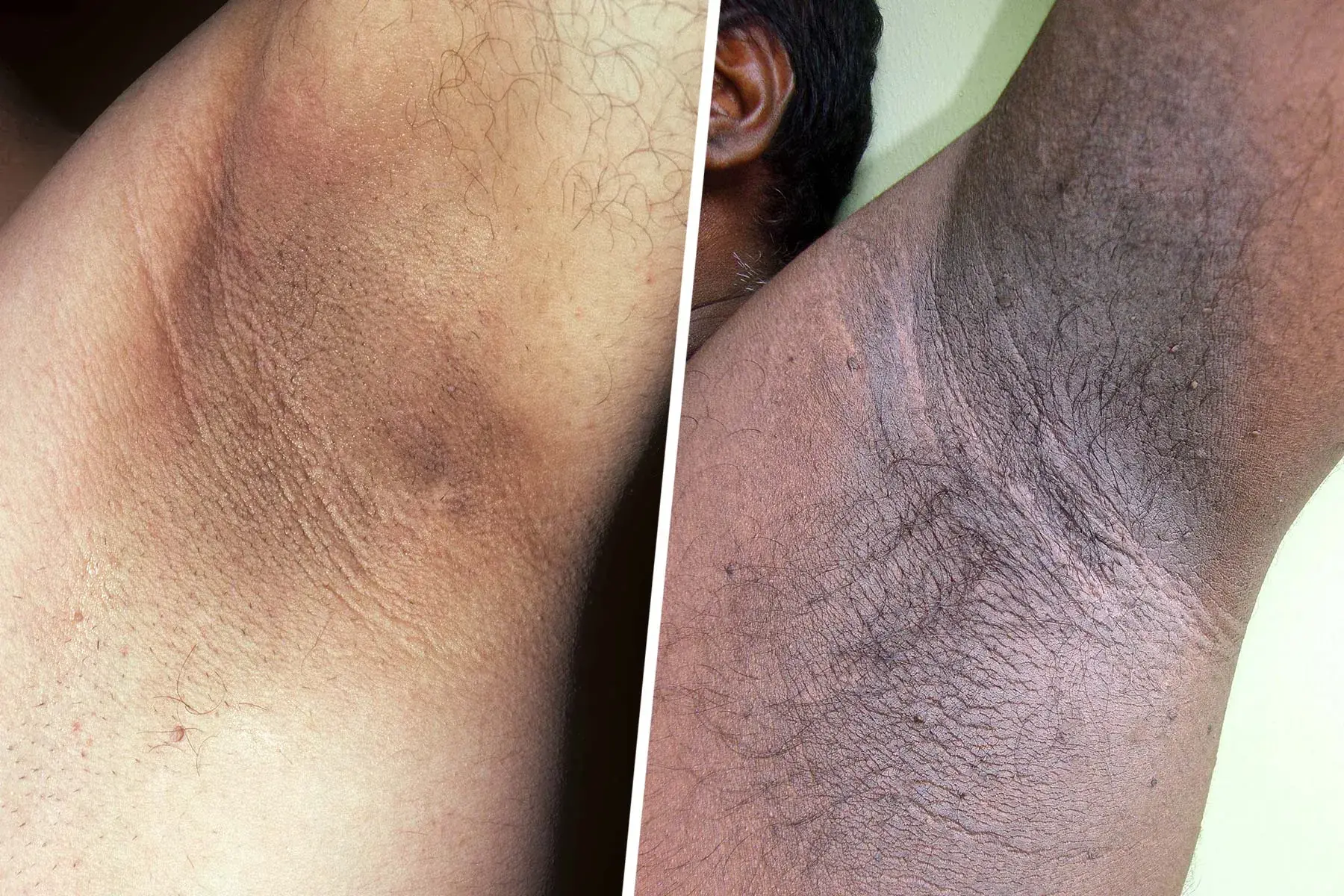
What Happens If the Tests Show Prediabetes?
Prediabetes means blood glucose is higher than normal but not yet in the range used to diagnose diabetes. It is an important stage because it signals increased risk of developing type 2 diabetes and related health problems.
The good news is that identifying prediabetes creates an opportunity to act.
A clinician may recommend changes involving food, physical activity, sleep, and weight management. The most appropriate plan depends on the person's health, age, daily routine, and other medical conditions.
Build meals around balance rather than restriction
A healthy eating pattern does not need to involve extreme dieting or eliminating every food containing carbohydrates.
A practical approach is to include vegetables, high-fiber foods, appropriate protein sources, and portions of carbohydrate foods that fit the person's needs.
Whole grains, beans, lentils, vegetables, and fruit can provide fiber. Fiber slows digestion and can help support a steadier rise in blood glucose after meals.
Sugary drinks and frequent large portions of highly processed foods may make glucose management more difficult. Replacing sweetened drinks with water or unsweetened options is one practical change many people can make.
The goal is consistency rather than perfection. A diet that is too restrictive can be difficult to maintain and may not provide all the nutrients the body needs.
Regular movement can improve insulin sensitivity
Physical activity helps muscles use glucose and can improve the body's response to insulin.
Walking, cycling, swimming, dancing, and other forms of movement can all contribute. People who have been inactive should begin at a comfortable level and increase gradually.
For many adults, a common general target is at least 150 minutes of moderate-intensity activity per week, provided their health allows it. This can be divided into manageable sessions rather than completed all at once.
Strength exercises can also be useful because muscle tissue plays an important role in glucose use. People with medical conditions or mobility limitations should ask a healthcare professional how to exercise safely.
Weight management should be individualized
For people who have excess weight and insulin resistance, even a modest, sustained reduction in weight may improve metabolic health.
However, weight is not the only factor. People can develop insulin resistance at different body sizes, and a person's health cannot be judged from appearance alone.
The best plan is one that supports long-term health without extreme restrictions, shame, or unrealistic expectations.
Sleep and stress matter too
Sleep is often overlooked in discussions about blood sugar. Poor sleep and irregular sleep patterns can affect appetite, energy, and metabolic regulation.
Establishing a consistent sleep schedule, reducing late-night disruptions, and addressing conditions such as sleep apnea may support overall health.
Chronic stress can also influence eating habits, activity levels, and blood glucose regulation. Stress management does not replace medical care, but it can be part of a broader plan.
Can the Dark Patches Disappear?
Sometimes they can become lighter or less noticeable when the underlying cause is addressed.
If acanthosis nigricans is related to insulin resistance, improving metabolic health may gradually improve the skin. If a medication is responsible, a clinician may consider whether an alternative is suitable. If a hormonal condition is identified, treating that condition may also help.
However, the skin may not return to its previous appearance immediately. Changes can take time, and some areas may remain darker even after the underlying problem improves.
This is why treatment should focus first on the cause rather than simply trying to bleach the skin.
Why whitening creams are not always the answer
Many people search for creams that promise to remove dark underarm or neck patches. Some products may temporarily change the appearance of pigmentation, but they do not necessarily address the process causing the skin to thicken.
Strong bleaching products, unregulated skin-lightening mixtures, and harsh exfoliants can irritate sensitive areas. Irritation may lead to further discoloration, particularly in people whose skin is prone to post-inflammatory pigmentation.
A dermatologist may recommend specific topical treatments when appropriate. Depending on the case, these may include products that help reduce thickening or improve the appearance of the skin.
But cosmetic treatment should not replace evaluation for an underlying metabolic or hormonal issue.
Why scrubbing can make the problem worse
The advice in the supplied screenshot says the dark patches cannot simply be scrubbed away. This is an important point.
Acanthosis nigricans is not a removable coating. Scrubbing harder will not correct insulin resistance or reverse the biological changes within the skin.