When people think about protecting their liver, alcohol is often the first thing that comes to mind—and for good reason. Excessive alcohol consumption is a well-established cause of liver disease, including alcoholic hepatitis, cirrhosis, and liver failure.
However, alcohol isn't the only beverage that may affect liver health. Some non-alcoholic drinks, especially when consumed frequently and in large amounts, may contribute to conditions such as obesity, insulin resistance, and non-alcoholic fatty liver disease (NAFLD). These conditions can place additional stress on the liver over time.
The good news is that the liver is remarkably resilient. By making healthier beverage choices and maintaining an overall healthy lifestyle, many people can support normal liver function and reduce their risk of chronic liver disease.
Let's take a closer look at five types of drinks that may affect liver health—and what you can choose instead.
Why Is the Liver So Important?
The liver is one of the body's hardest-working organs.
It performs more than 500 essential functions, including:
-
Filtering toxins from the blood
-
Processing nutrients from food
-
Producing bile to aid digestion
-
Storing vitamins and minerals
-
Regulating blood sugar
-
Metabolizing medications
-
Producing proteins needed for blood clotting
Because the liver works continuously, protecting it is an important part of maintaining overall health.
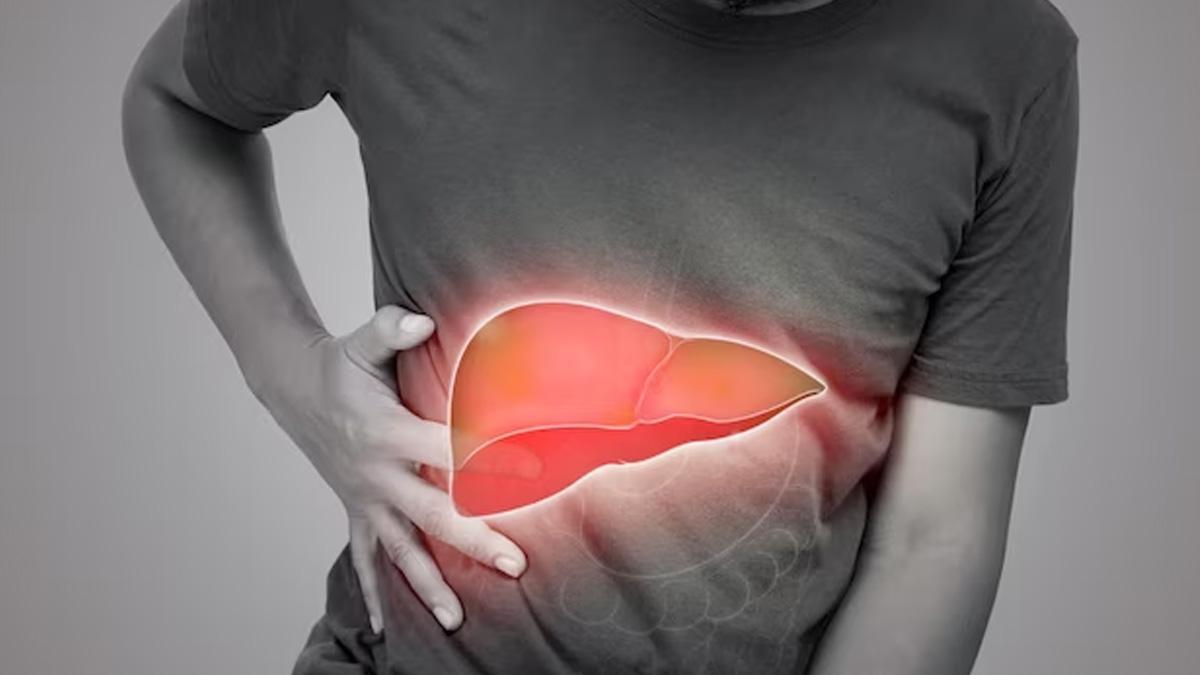
Understanding Fatty Liver Disease
One of the fastest-growing liver conditions worldwide is non-alcoholic fatty liver disease (NAFLD), recently renamed metabolic dysfunction-associated steatotic liver disease (MASLD) by many medical organizations.
This condition occurs when excess fat accumulates in the liver in people who drink little or no alcohol.
Risk factors include:
-
Obesity
-
Type 2 diabetes
-
High cholesterol
-
High triglycerides
-
Insulin resistance
-
Physical inactivity
Diet, including beverage choices, can influence several of these risk factors.
1. Sugar-Sweetened Soft Drinks
Regular soft drinks are one of the largest sources of added sugar in many diets.
They often contain:
-
High-fructose corn syrup
-
Sucrose
-
Artificial flavorings
-
Large amounts of calories
Unlike whole fruit, sugary drinks provide very little fiber, making it easy to consume large amounts of sugar quickly.
Why They Matter
High intake of sugar-sweetened beverages has been associated with:
-
Weight gain
-
Increased body fat
-
Insulin resistance
-
Higher risk of fatty liver disease
Fructose is primarily processed in the liver, and consuming excessive amounts over time may contribute to fat accumulation in the liver.
Healthier Alternatives
Try replacing sugary soda with:
-
Water
-
Sparkling water without added sugar
-
Unsweetened herbal tea
-
Water infused with lemon, cucumber, or mint
2. Energy Drinks
Energy drinks often contain combinations of:
-
Caffeine
-
Sugar
-
Herbal ingredients
-
B vitamins
Most healthy adults can safely consume moderate amounts of caffeine, but some energy drinks contain extremely high levels of caffeine and added sugars.
Possible Concerns
Frequent consumption of high-sugar energy drinks may contribute to:
-
Excess calorie intake
-
Weight gain
-
Increased risk of fatty liver
Rare cases of liver injury have also been reported in association with excessive consumption of certain energy drinks or high-dose supplements, although these events are uncommon and often involve multiple contributing factors.
Moderation Is Key
Read labels carefully and avoid relying on energy drinks as a daily source of energy.
Adequate sleep, balanced nutrition, and regular physical activity are healthier ways to maintain energy levels.
3. Sweetened Coffee Drinks
Coffee itself has been associated in many studies with a lower risk of certain liver diseases when consumed without excessive sugar and high-calorie additions.
However, specialty coffee beverages may contain:
-
Flavored syrups
-
Whipped cream
-
Sweetened condensed milk
-
Chocolate sauces
-
Large amounts of sugar
Some large coffee drinks contain as much sugar as several cans of soda.
A Better Choice
Instead of high-calorie coffee drinks, consider:
-
Plain black coffee
-
Coffee with a small amount of milk
-
Unsweetened latte
-
Reduced-sugar versions
Coffee should be enjoyed in moderation and may not be appropriate for everyone.
4. Sweetened Fruit Drinks
Many beverages labeled as:
-
Fruit drink
-
Fruit cocktail
-
Fruit punch
-
Juice beverage
contain much more added sugar than actual fruit juice.
Even 100% fruit juice should generally be consumed in moderation because it contains natural sugars without the fiber found in whole fruit.
Why Whole Fruit Is Better
Whole fruits provide:
-
Fiber
-
Vitamins
-
Minerals
-
Antioxidants
Fiber slows sugar absorption and promotes fullness.
Whenever possible, choose whole fruit over sugary fruit drinks.
5. High-Calorie Milkshakes and Dessert Beverages
Milkshakes, blended dessert drinks, and similar beverages often contain:
-
Ice cream
-
Sweet syrups
-
Whipped cream
-
Chocolate
-
Cookies
-
Candy
These drinks can provide hundreds—or even over a thousand—calories in a single serving.
Frequent consumption may contribute to:
-
Weight gain
-
Insulin resistance
-
Metabolic syndrome
These conditions are closely linked with fatty liver disease.
What About Alcohol?
Alcohol remains one of the leading causes of preventable liver disease worldwide.
Heavy drinking increases the risk of:
-
Fatty liver
-
Alcoholic hepatitis
-
Fibrosis
-
Cirrhosis
-
Liver cancer
The drinks discussed in this article do not harm the liver "faster than alcohol." Instead, they may contribute to metabolic conditions that can also negatively affect liver health over time.
Signs Your Liver May Need Medical Attention
Early liver disease often causes few or no symptoms.
As liver disease progresses, possible symptoms may include:
-
Persistent fatigue
-
Loss of appetite
-
Nausea
-
Abdominal discomfort
-
Yellowing of the skin or eyes (jaundice)
-
Dark urine
-
Pale stools
-
Swelling in the legs or abdomen
-
Easy bruising
These symptoms have many possible causes and require medical evaluation.
Foods and Drinks That Support Liver Health
Rather than focusing only on what to avoid, it's helpful to know what supports liver health.
A balanced diet may include:
Water
Water supports hydration and normal body functions.
Coffee
Research suggests moderate coffee consumption may be associated with a lower risk of several chronic liver diseases in many adults.
However, avoid excessive sugar and cream.
Green Tea
Green tea contains polyphenols that are being studied for potential health benefits.
Moderate consumption is generally considered safe for most people, but concentrated green tea extracts in supplement form have been associated with rare cases of liver injury.
Vegetables
Especially:
-
Broccoli
-
Spinach
-
Brussels sprouts
-
Kale
These provide fiber and antioxidants that support overall health.
Whole Fruits
Whole fruits provide:
-
Fiber
-
Vitamin C
-
Potassium
-
Numerous plant compounds
Lifestyle Habits That Protect the Liver
Healthy beverage choices are only one part of liver care.
Additional habits include:
Maintain a Healthy Weight
Excess body fat increases the risk of fatty liver disease.
Exercise Regularly
Aim for at least 150 minutes of moderate-intensity physical activity each week, or follow your healthcare provider's recommendations.
Eat More Whole Foods
Focus on:
-
Vegetables
-
Fruits
-
Whole grains
-
Beans
-
Nuts
-
Lean proteins
Limit highly processed foods whenever possible.
Avoid Smoking
Smoking contributes to many chronic diseases and may worsen liver health.
Use Medications Safely
Always follow dosage instructions.
Taking excessive amounts of medications such as acetaminophen (paracetamol) can seriously damage the liver.
Never combine medications without consulting a healthcare professional.
The Liver Can Often Recover
One remarkable feature of the liver is its ability to regenerate.
In many cases, early fatty liver disease can improve through:
-
Weight loss (when appropriate)
-
Healthier eating
-
Increased physical activity
-
Better blood sugar control
-
Reduced alcohol intake
The earlier changes are made, the greater the opportunity for improvement.
Common Myths About Liver Health
Myth 1: Only Alcohol Damages the Liver
Many conditions—including obesity, viral hepatitis, certain medications, and metabolic disorders—can also affect liver health.
Myth 2: Fruit Juice Is Always Healthy
While 100% fruit juice contains vitamins, it also contains natural sugars and should generally be consumed in moderation.
Whole fruit is usually the better choice.
Myth 3: Energy Drinks Are Safe Because They Contain Vitamins
Added vitamins do not cancel out the effects of excessive sugar or high caffeine intake.
Myth 4: Liver Detox Drinks Can Cleanse the Liver
There is no strong scientific evidence that commercial "detox" drinks cleanse the liver.
The liver naturally detoxifies the body.
Supporting it through healthy lifestyle habits is far more effective than relying on detox products.
When Should You See a Doctor?
Consult a healthcare professional if you experience:
-
Persistent fatigue
-
Yellowing of the skin or eyes
-
Unexplained abdominal swelling
-
Dark urine
-
Persistent nausea
-
Unexplained weight loss
-
Ongoing pain in the upper right abdomen
People with diabetes, obesity, or elevated liver enzymes may also benefit from discussing liver health with their healthcare provider.
The Bottom Line
Alcohol is a well-known cause of liver disease, but it isn't the only beverage that deserves attention. Frequently consuming sugar-sweetened soft drinks, energy drinks, sweetened coffee beverages, sugary fruit drinks, and high-calorie dessert beverages may contribute to obesity, insulin resistance, and fatty liver disease over time.
These drinks do not damage the liver more quickly than alcohol, but limiting them as part of a balanced lifestyle may help support long-term liver health.
Final Thoughts
Your liver works tirelessly every day to process nutrients, regulate metabolism, and remove waste products from your body. The choices you make - especially what you drink can influence its health over the years.
Rather than relying on quick fixes or detox trends, focus on sustainable habits: drink more water, limit sugary beverages, enjoy coffee in moderation if appropriate, eat a balanced diet rich in whole foods, stay physically active, and maintain a healthy weight.
Remember that no single drink determines your liver health. It's your overall dietary pattern and lifestyle, practiced consistently over time, that have the greatest impact on keeping your liver healthy for years to come.