A damaged cable shouldn't be ignored simply because the phone still charges.
If the cable has visible damage, replace it.
8. Don't Keep Using a Charger That Smells Burnt
This is one of the clearest warning signs.
If you notice a burning smell coming from a charger, outlet, cable, or power strip, stop using it.
Don't try to "see if it gets better."
Don't keep plugging it in because it still appears to work.
Electrical components can fail before they stop functioning completely.
Similarly, if you notice:
- buzzing,
- crackling,
- sparks,
- unusual discoloration,
- melting,
- excessive heat,
- or repeated electrical trips,
disconnect the equipment safely if you can do so without touching a dangerous or damaged component, and have the issue assessed.
If there is an active electrical fire, don't use water on it.
Move away and contact emergency services as appropriate.
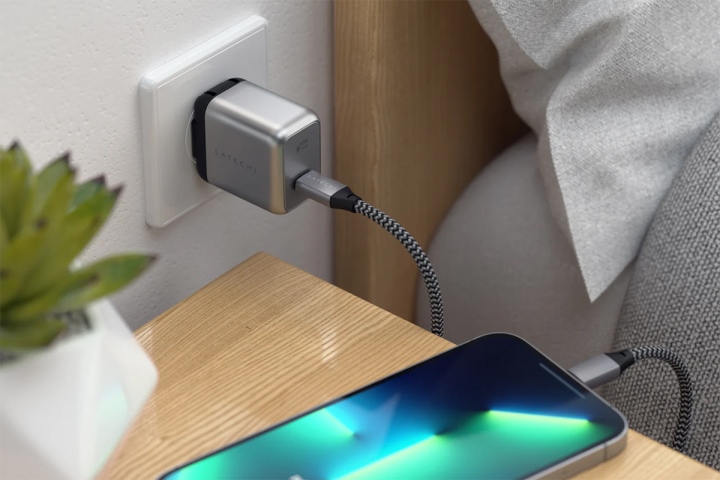
9. Your Outlet Matters Too
Sometimes the charger isn't the problem.
The outlet may be.
An outlet that is loose, cracked, discolored, damaged, or unusually warm deserves attention.
If a plug doesn't fit securely, don't try to force it or improvise a solution.
Loose electrical connections can create resistance and heat.
If the outlet repeatedly feels hot or shows signs of damage, have it inspected by a qualified electrician.
This is particularly important in older homes where electrical infrastructure may be aging.
10. What Happens If You Leave a Charger Plugged In for Months?
Probably nothing dramatic—especially if it is a modern, reputable charger in good condition.
This is an important distinction.
You shouldn't assume that every charger left in an outlet is a fire hazard.
That would be an exaggeration.
The more accurate way to think about it is:
Leaving a good-quality charger plugged in doesn't automatically create danger, but unplugging it when it's not needed is a simple way to eliminate standby power use and reduce unnecessary exposure to electrical equipment.
The risk profile changes when the charger is:
- damaged,
- counterfeit,
- overheating,
- exposed to moisture,
- improperly positioned,
- or connected to a damaged outlet.
11. What About the Electricity Bill?
This is another area where viral posts sometimes overstate the problem.
A single modern phone charger sitting idle generally uses very little electricity.
So unplugging one charger isn't likely to transform your monthly utility bill.
If someone claims that leaving one phone charger plugged in will cost you hundreds of dollars every year, be skeptical.
The actual consumption depends on the charger's design and the electricity rate, but modern chargers are generally designed to minimize idle power consumption.
Still, there is a useful principle here:
Zero standby consumption is still better than nonzero standby consumption.
If you're already getting up from your desk or leaving the house, unplugging unused chargers takes only a few seconds.
There's little downside to doing it.