You can use this quick checklist around your home.
Before plugging in:
- Is the charger from a reputable source?
- Is the cable intact?
- Is the adapter free of cracks or damage?
- Is the outlet in good condition?
While charging:
- Is the charger becoming unusually hot?
- Is the cable positioned safely?
- Is the equipment away from water?
- Is the charger covered by bedding or clothing?
After charging:
- Do you actually need the charger plugged in?
- If not, unplug it.
- Store the cable somewhere it won't be bent or damaged.
These habits take almost no time.
16. Don't Fall for Extreme Charger Myths
The internet tends to turn simple safety advice into dramatic claims.
You may see headlines saying:
"Leaving your charger plugged in will burn down your house!"
That's too broad.
You may also see:
"Leaving your charger plugged in costs hundreds of dollars!"
Again, that's generally misleading for a modern phone charger.
The reality is more nuanced.
A properly manufactured, undamaged modern charger usually consumes very little power when idle and is designed with safety protections.
But damaged or poorly manufactured electrical equipment can create real safety risks, and leaving unnecessary equipment energized provides no benefit when you aren't using it.
Good advice doesn't need exaggeration.
17. What You Should Actually Do Today
Take a quick look around your home.
Check the chargers beside your bed.
Look behind your desk.
Inspect the charging cables in your living room.
Check the adapters that have been plugged into the wall for months.
If something looks damaged, replace it.
If a charger becomes unusually hot, smells strange, buzzes, or shows other warning signs, stop using it.
If an outlet looks damaged or overheats, get it inspected.
And if a charger isn't needed, simply unplug it.
It's a small habit, but it's an easy one.
The Bottom Line
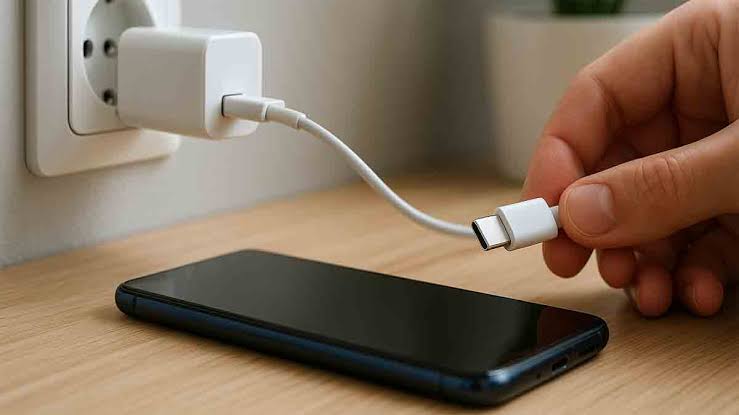
Leaving a phone charger plugged into the wall when you're not charging anything isn't automatically dangerous, especially when you're using a modern, high-quality charger in good condition.
But that doesn't mean there's a good reason to leave every charger plugged in indefinitely.
An idle charger can still consume a small amount of electricity. More importantly, damaged, counterfeit, overheated, or improperly used charging equipment can present genuine electrical-safety concerns.
So the smartest approach isn't panic.
It's prevention.
Use reputable chargers. Replace damaged cables. Keep charging equipment away from water and excessive heat. Don't cover chargers while they're operating. Pay attention to burning smells, unusual heat, buzzing, sparks, or visible damage.
And when a charger isn't needed?
Unplug it.
It takes only a few seconds, eliminates its standby power consumption, and gives you one less piece of electrical equipment quietly sitting energized in your home.
Sometimes the safest household habits are also the simplest ones.