Opening the refrigerator can feel like the easiest way to solve a hunger problem.
There is something already cooked.
Something you can heat in a minute.
Maybe a few slices of processed meat, a container of yesterday’s dinner, or a meal you saved because you didn’t want to waste it.
But while leftovers and refrigerated convenience foods can make life easier, not everything that looks perfectly fine in your fridge is equally gentle on your stomach.
Some foods can become a problem because of how they are stored. Others may be harder to digest because they are high in fat, salt, or other ingredients that can trigger symptoms in certain people. And sometimes, the issue is not the food itself but how long it has been sitting there, how it was handled, or how sensitive your digestive system happens to be.
This does not mean you need to fear your refrigerator.
It simply means that a little more attention can help you make better choices.
In this article, we’ll look at two common categories of foods that deserve extra consideration: refrigerated leftovers such as cooked rice and pasta, and processed meats such as bacon, sausage, ham, and deli meats.
Neither category is automatically “bad,” and eating them does not mean you will develop a stomach problem. But under the wrong circumstances, they may contribute to digestive discomfort—or, in the case of improperly stored leftovers, foodborne illness.
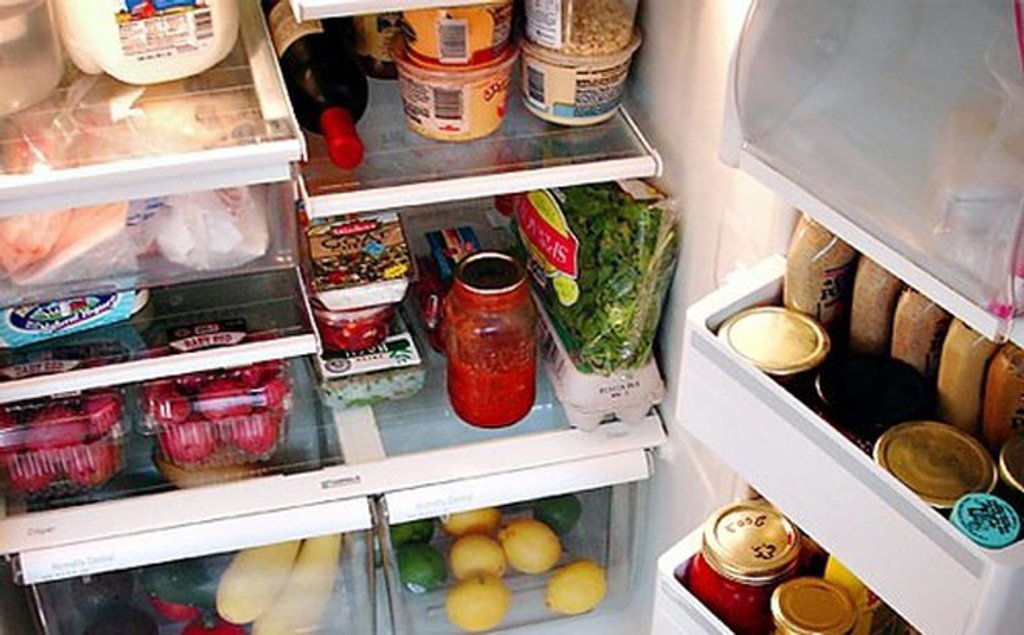
Why Food in Your Fridge Can Still Cause Problems
Many people assume that once food goes into the refrigerator, it becomes safe indefinitely.
That is not how refrigeration works.
Cold temperatures generally slow the growth of many microorganisms, but they do not make food permanently safe. The length of time food spends at room temperature before refrigeration, the way it was cooled, the cleanliness of the container, and how long it remains refrigerated all matter.
At the same time, even food that has been stored properly can cause digestive discomfort.
Some people have sensitive stomachs.
Others have reflux, gastritis, irritable bowel syndrome, food intolerances, or difficulty digesting high-fat meals. A food that causes no problem for one person may leave another person feeling bloated, nauseated, overly full, or uncomfortable.
That is why the goal is not to label a food as universally harmful.
The goal is to understand what your body may be reacting to and what food-handling habits may increase the risk of trouble.
1. Leftover Rice and Pasta: Convenient, but Storage Matters
Rice and pasta are among the most common leftovers found in household refrigerators.
They are easy to prepare in large batches, and they often taste just as good—or even better—the next day.
But cooked starchy foods deserve special attention when it comes to storage.
Rice, pasta, and similar foods can support the growth of certain bacteria if they are left at unsafe temperatures for too long. One example is Bacillus cereus, a bacterium associated with food poisoning and commonly linked to cooked rice and other starchy foods.
The important point is that the problem is usually not that rice is inherently unsafe.
The problem is what can happen when cooked rice or pasta is handled and stored improperly.
The Refrigerator Does Not “Reset” Time
Imagine you cook a large pot of rice for dinner.
You serve it.
The leftovers sit on the counter while everyone talks, cleans up, and watches television.
Then, several hours later, someone finally puts the pot in the refrigerator.
It may still look completely normal the next day.