Chapter 1: Hives Are Not Always Caused by Allergies
Imagine waking up one morning and noticing several raised, red patches on your arms. They are intensely itchy, seem to appear out of nowhere, and gradually spread across your stomach, back, or legs. You may immediately wonder whether you ate something unusual the night before or came into contact with an allergen.
This reaction is commonly known as hives, medically called urticaria.
Hives are a skin reaction characterized by raised, itchy welts that can vary in size and shape. They may appear as small bumps, large irregular patches, or groups of swollen areas that merge together. Their color can range from pink to red, although they may look less noticeable on darker skin tones.
One particularly confusing feature is how quickly they can change. A patch may disappear from one area and appear somewhere else. Individual welts usually fade within 24 hours without leaving permanent marks, although new ones may continue to develop.
Many people associate hives exclusively with food allergies. While certain foods can trigger an allergic reaction, they are only one possible cause.
Hives can also develop after infections, medication exposure, physical pressure, temperature changes, exercise, sweating, and other environmental or immune-related factors.
In some people, the exact cause remains unknown despite medical evaluation.
To understand why these reactions happen, it helps to look at what is occurring beneath the surface of the skin.
Specialized immune cells called mast cells release histamine and other inflammatory substances. These chemicals cause small blood vessels to become more permeable, allowing fluid to move into surrounding skin tissue. This produces the raised swelling and itching associated with hives.
The reaction can happen through different biological pathways. Some involve a true allergic response, while others occur without a conventional allergy.
This distinction matters because avoiding one particular food or household product may not solve the problem if the actual trigger is something entirely different.
Understanding the less obvious causes of hives is the first step toward identifying patterns, reducing unnecessary exposure, and knowing when medical attention is needed.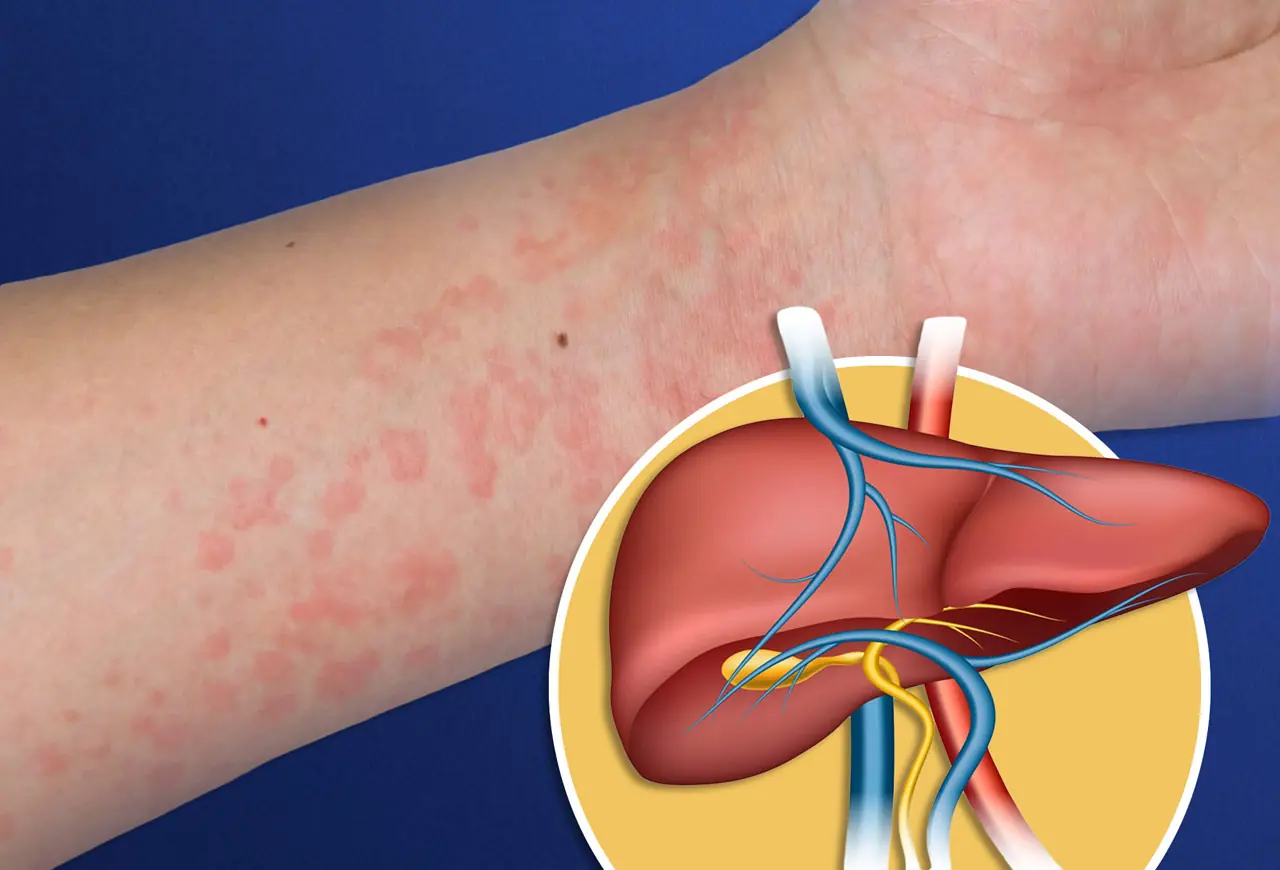
Chapter 2: Temperature Changes Can Trigger Unexpected Skin Reactions
One surprising cause of hives is exposure to temperatures that are either too cold or too hot.
For certain people, changes in temperature can activate skin mast cells and trigger an outbreak. These reactions belong to a group of conditions known as physical or inducible urticaria.
Cold temperatures and cold-induced urticaria
Cold-induced urticaria occurs when the skin develops itchy welts after exposure to cold air, cold objects, or cold water.
For example, someone may notice raised patches on their hands after holding a chilled drink or touching frozen food. Another person may develop hives after swimming in cold water or spending time outdoors during cold weather.
The reaction does not always occur immediately. Some people notice symptoms as their skin warms again after exposure.
One important danger is that cold-induced urticaria can sometimes cause a more serious reaction when large areas of the body are exposed to cold water.
Swimming in cold water may trigger widespread symptoms and, in severe cases, a dangerous systemic reaction.
People who suspect they have this condition should seek medical advice and avoid deliberately testing their reaction with ice or cold-water exposure.
Heat and sweating
Heat can also trigger hives.
Some people develop small, intensely itchy bumps when their body temperature rises during exercise, emotional stress, hot showers, or exposure to warm environments.
This may be a form of cholinergic urticaria, which is associated with increased body temperature and sweating.
The bumps are often small and surrounded by reddish skin. They may appear on the chest, neck, arms, or upper body and can cause considerable discomfort.
For someone affected by this condition, an ordinary workout or a hot shower may become an unexpected trigger.
However, sweating itself does not cause hives in everyone. The reaction depends on individual sensitivity and the specific type of urticaria.
If you repeatedly notice skin reactions after becoming overheated, recording the circumstances may help a healthcare professional identify the pattern.
Chapter 3: Exercise, Sweating, and Emotional Stress May Play a Role
Exercise is generally beneficial for health, but in some people, physical activity can trigger hives.
This may happen because exercise increases body temperature, stimulates sweating, and changes blood circulation.
For individuals with cholinergic urticaria, the combination of increased body heat and sweating can produce small, itchy welts.
Symptoms may appear during activities such as running, cycling, dancing, or playing sports. They can also develop during less intense activities that cause the body to warm up.