Food is one of the first things people suspect when hives appear.
Certain foods can indeed cause allergic reactions that include itchy welts, swelling, and other symptoms.
Common food allergens include:
-
Peanuts and tree nuts.
-
Shellfish and certain types of seafood.
-
Eggs.
-
Milk.
-
Wheat.
-
Soy.
In people with an IgE-mediated food allergy, the immune system reacts to a specific food protein.
Symptoms may develop relatively quickly after eating the triggering food. Hives can appear alongside swelling, abdominal discomfort, vomiting, breathing difficulties, or other signs of an allergic reaction.
However, there is an important distinction between a true food allergy and a food that simply makes existing hives worse.
Some individuals with chronic urticaria report that certain foods or food additives aggravate their symptoms. This does not necessarily mean they have a conventional food allergy.
In addition, chronic spontaneous urticaria is rarely caused by a specific food allergy.
This is why eliminating large groups of foods without a clear reason is generally not recommended.
For example, someone who experiences recurring hives may decide to remove dairy, eggs, wheat, nuts, seafood, and several fruits from their diet.
Such restrictions can make eating unnecessarily complicated and may lead to nutritional deficiencies.
A better approach is to record what you eat, when symptoms appear, and whether the same reaction occurs repeatedly after a particular exposure.
If the history suggests a genuine food allergy, a healthcare professional or allergy specialist can determine whether targeted testing is appropriate.
Never deliberately eat a food that has previously caused a serious allergic reaction simply to see what happens.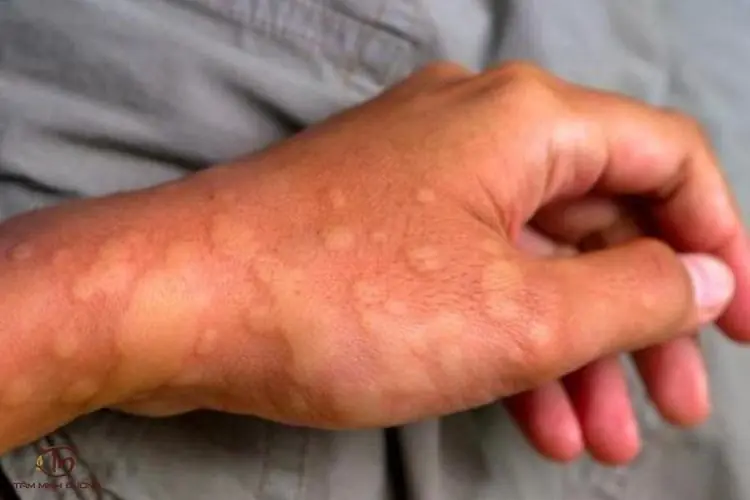
Chapter 9: Chronic Hives May Be Related to the Immune System
One of the most frustrating experiences for people with recurring hives is not knowing what causes them.
When hives occur repeatedly for more than six weeks, they are generally classified as chronic urticaria.
There are two broad patterns.
Chronic inducible urticaria occurs when a recognizable physical trigger, such as cold, heat, pressure, or exercise, repeatedly causes symptoms.
Chronic spontaneous urticaria occurs when hives develop without a consistent external trigger.
For many people with chronic spontaneous urticaria, no single cause can be identified.
Research suggests that immune-system mechanisms play an important role in this condition.
In some individuals, the immune system produces antibodies or activates pathways that stimulate mast cells. These cells then release histamine and other substances that cause itching and swelling.
This helps explain why chronic hives can continue even when a person carefully avoids common allergens.
It also explains why repeated allergy tests may not identify a specific food, chemical, or environmental trigger.
Chronic urticaria is not necessarily evidence that someone has a dangerous underlying disease.
However, persistent symptoms deserve proper medical evaluation, particularly when they interfere with sleep, work, or everyday activities.
A doctor may review the person's medical history, examine the skin, assess medications, and order selected tests when the history suggests they are necessary.
Extensive testing for every possible disease is not automatically helpful. Investigations should be guided by the person's symptoms and clinical findings.
The most important point is that unexplained chronic hives are real and can be physically and emotionally exhausting. Not knowing the trigger does not mean the symptoms are imaginary.
Chapter 10: How to Identify Your Personal Hives Triggers
Because hives can have so many possible causes, identifying the trigger may require careful observation.
A useful starting point is to keep a symptom diary.
Record the following information whenever an outbreak occurs:
1. When the hives appeared
Write down the date and approximate time. Note whether symptoms began suddenly or developed gradually.
2. What you ate or drank
Include meals, snacks, beverages, and any new foods. Pay attention to whether symptoms repeatedly occur after the same food.
3. Medications and supplements
Record prescription medications, over-the-counter pain relievers, vitamins, and supplements taken around the time symptoms appeared.
4. Physical activities
Note whether you exercised, became overheated, sweated heavily, or experienced prolonged pressure on certain areas of your body.
5. Environmental exposure
Consider cold weather, sunlight, hot showers, insect bites, new detergents, cosmetics, or contact with latex.
6. Other symptoms
Record whether you experienced swelling, fever, stomach discomfort, dizziness, or breathing problems.
7. How long the individual welts lasted
Ordinary hives generally change location and disappear from individual areas within 24 hours. Lesions that remain fixed for longer, particularly if painful or bruising, should be assessed by a healthcare professional because they may indicate a different condition.
A diary cannot diagnose the cause by itself, but it can provide valuable information during a medical appointment.