But that assumption can be misleading.
Although age-related changes can affect the knees, persistent or recurring knee pain is not something everyone should automatically accept. Sometimes, discomfort is the body's way of signaling an underlying problem that deserves attention. It may be related to osteoarthritis, inflammation, an old injury, damaged cartilage, tendon problems, or even conditions affecting other parts of the body.
The knee is one of the most important and complex joints in the human body. It supports much of our body weight, absorbs impact, and allows us to walk, stand, climb stairs, bend, and perform countless everyday activities. Because it is constantly being used, it is also vulnerable to injuries and gradual wear.
The important thing is learning to distinguish ordinary temporary soreness from symptoms that may indicate a medical condition.
If your knees have been hurting more frequently, feel unusually stiff, swell without an obvious reason, or make it difficult to move comfortably, it may be time to pay closer attention.
Here are the possible reasons behind knee pain, the warning signs you should recognize, and the steps that may help protect your joint health.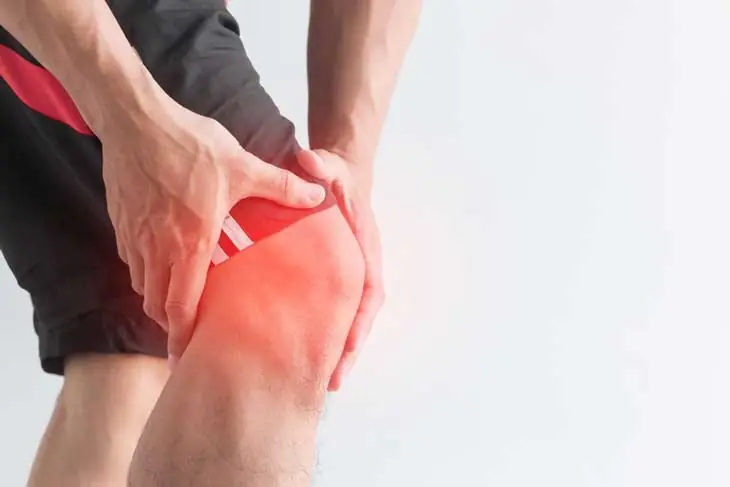
1. Osteoarthritis: More Than Ordinary Wear and Tear
One of the most common causes of knee pain, particularly among older adults, is osteoarthritis.
Osteoarthritis is a joint condition in which the tissues within the joint gradually change. The protective cartilage that covers the ends of bones may become thinner or damaged, while the surrounding bone, joint lining, and other structures can also undergo changes.
The knee normally contains smooth cartilage that allows the bones to move against one another with minimal friction. When this cartilage becomes damaged, the joint may become painful and less flexible.
People with knee osteoarthritis commonly experience:
-
Pain during walking, standing, or climbing stairs.
-
Stiffness after sitting for a long time.
-
Discomfort when getting out of bed in the morning.
-
Swelling around the knee.
-
Reduced ability to bend or straighten the leg.
-
A grinding or clicking sensation during movement.
Symptoms often develop gradually. At first, the discomfort may occur only after a long walk or a physically demanding activity. Over time, it may become more frequent and interfere with ordinary daily tasks.
Although osteoarthritis becomes more common with age, it is not simply an inevitable consequence of getting older. Previous knee injuries, excess body weight, joint alignment, genetics, and repetitive stress can all influence the likelihood of developing the condition.
There is currently no treatment that completely reverses established osteoarthritis, but many people can manage their symptoms through exercise, physical therapy, weight management when appropriate, and medication recommended by a healthcare professional.
Early assessment can also help identify the condition before pain significantly limits everyday movement.
2. Morning Stiffness That Takes Time to Disappear
Do your knees feel stiff when you first wake up?
Perhaps you need several minutes before you can walk comfortably, or your knees feel difficult to bend after sitting at a desk or watching television.
Occasional stiffness can happen when a joint has remained in one position for a long time. However, persistent or unusual morning stiffness may deserve further evaluation.
Osteoarthritis commonly causes stiffness after periods of inactivity. It often improves within several minutes as the person begins moving.
Inflammatory joint conditions can produce a different pattern. For example, rheumatoid arthritis may cause morning stiffness that lasts considerably longer, sometimes more than an hour.
Rheumatoid arthritis is an autoimmune disease in which the immune system mistakenly attacks the lining of the joints. This can cause inflammation, swelling, pain, and eventually joint damage.
Although rheumatoid arthritis frequently affects the small joints of the hands and feet, it can also involve the knees.
Pay attention to how long the stiffness lasts, whether both knees are affected, and whether other joints are also uncomfortable.
Stiffness accompanied by persistent swelling, warmth, fatigue, or pain in multiple joints should not automatically be attributed to aging.
3. Swelling Around the Knee
Swelling is another symptom that deserves attention.
A knee that suddenly looks larger than usual or feels tight may be responding to inflammation, irritation, injury, or fluid accumulation inside the joint.
The knee naturally contains a small amount of synovial fluid, which lubricates the joint and helps its structures move smoothly. When the joint becomes irritated or inflamed, it may produce excess fluid.