If Your Body Suddenly Jerks While Falling Asleep, Here’s What It Could Mean
Have you ever been just about to fall asleep when suddenly your body jerks violently, almost as if you were falling? It can feel strange, unsettling, and sometimes even frightening.
According to sleep experts, these sudden movements are actually very common and are usually harmless. They are known as hypnic jerks — involuntary muscle spasms that occur as the body transitions from wakefulness into sleep.
Many people experience them occasionally, while others may notice them more frequently during stressful or exhausting periods.
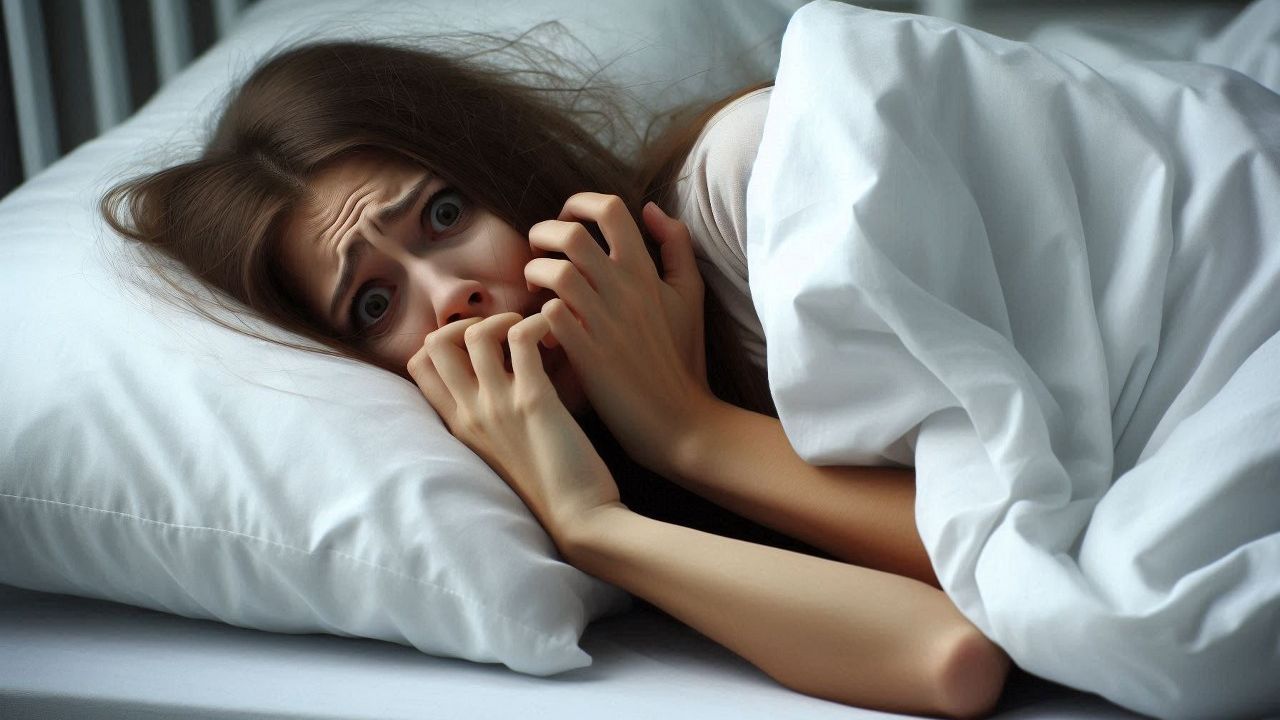
What Exactly Is a Hypnic Jerk?
A hypnic jerk, sometimes called a “sleep start,” is a sudden involuntary muscle contraction that typically happens during the early stages of sleep.
It may feel like:
- Falling from a height
- Tripping suddenly
- A strong twitch in the arms or legs
- A sudden shock through the body
Some people even wake up immediately afterward with a racing heart or a brief feeling of panic.
Why Does It Happen?
Although scientists still don’t fully understand why hypnic jerks occur, doctors believe several factors may increase the chances of experiencing them.
1. Stress and Anxiety
High stress levels can keep the nervous system more active at night, making sudden muscle spasms more likely as the body tries to relax.
2. Too Much Caffeine

Consuming caffeine late in the day may overstimulate the brain and interfere with the body’s natural sleep process.
3. Lack of Sleep
Sleep deprivation can make the transition into sleep more unstable, increasing the likelihood of sudden jerking movements.
4. Intense Physical Activity Before Bed
Heavy exercise late at night may keep muscles and nerves overly stimulated even after lying down to sleep.
Is It Dangerous?
In most cases, hypnic jerks are completely normal and not considered dangerous.
Doctors say occasional sleep jerks are simply part of how the brain and body shift into sleep mode.
However, if the movements become very frequent or are accompanied by other symptoms such as:
- Difficulty breathing
- Seizures
- Severe insomnia
- Loss of consciousness
- Persistent daytime fatigue
…it’s important to speak with a healthcare professional to rule out underlying sleep or neurological disorders.
How to Reduce Sleep Jerks
Experts recommend several simple habits that may help:
- Reduce caffeine intake, especially at night
- Maintain a consistent sleep schedule
- Practice relaxation techniques before bed
- Avoid excessive screen time late at night
- Get enough sleep regularly
Creating a calm bedtime routine can help the nervous system relax more smoothly as you fall asleep.
The Bottom Line
That sudden body jerk before sleep may feel alarming, but for most people, it’s a completely normal phenomenon.
Your body is simply transitioning between wakefulness and sleep — and sometimes the brain sends one last unexpected signal before fully shutting down for the night.