You are getting dressed one morning when you notice something unusual on your skin: a tiny red spot near your shoulder. It is small, almost insignificant, and does not hurt. You touch it gently, expecting it to disappear, but it remains exactly where it was.
At first, you think it might be a minor insect bite, a small pimple, or perhaps irritation caused by your clothing. You decide not to worry about it.
A few days later, however, you notice another red mark on your chest. Then you spot one near your arm. Suddenly, you begin wondering whether these little marks are trying to tell you something about your health.
Small red spots are surprisingly common, and they can develop for many different reasons. Some are harmless changes in the tiny blood vessels beneath the skin. Others may result from inflammation, irritation, infections, allergic reactions, or changes in the way blood clots.
The important thing to understand is that not every red spot means something serious. In fact, many are completely harmless. However, the appearance of a new skin mark, particularly when accompanied by other symptoms, can sometimes provide useful information about what is happening inside your body.
One of the most recognizable causes is a cherry angioma.
Cherry angiomas are small growths made up of clusters of tiny blood vessels. They often appear as bright red, dark red, or purplish spots. Some are perfectly flat, while others rise slightly above the surface of the skin.
They commonly develop on the chest, back, shoulders, arms, and other areas of the body. Their size can range from a tiny pinprick to several millimeters across.
Cherry angiomas become more common as people get older. Many adults notice their first ones during middle age, and additional spots may appear over time.
Although their exact cause is not fully understood, genetics and aging appear to play a role. Hormonal changes may also influence their development.
The good news is that typical cherry angiomas are benign. They are not considered skin cancer, and they generally do not require treatment unless they bleed frequently, become irritated, or cause cosmetic concerns.
However, not every red spot is a cherry angioma.
Another possibility is petechiae. These are tiny red, purple, or brownish spots caused by small amounts of blood leaking from tiny blood vessels beneath the skin.
Unlike many ordinary skin marks, petechiae generally do not turn pale when pressed. They may appear in clusters and can resemble a rash.
Petechiae can develop after intense coughing, vomiting, straining, or certain types of physical pressure. Sometimes, however, they are associated with infections, medication reactions, low platelet counts, or problems involving blood clotting.
This distinction matters because a collection of tiny red spots may have a very different explanation from a single, stable red bump.
The location, size, color, texture, and speed of appearance can all provide clues.
For example, a single bright-red bump that has remained unchanged for years is generally less concerning than a sudden outbreak of small red or purple spots accompanied by fever or unusual bruising.
Paying attention to these differences does not mean becoming frightened every time you notice something on your skin. It means learning to recognize changes rather than automatically dismissing them.
And sometimes, the most important clue is not the spot itself, but what happens around it.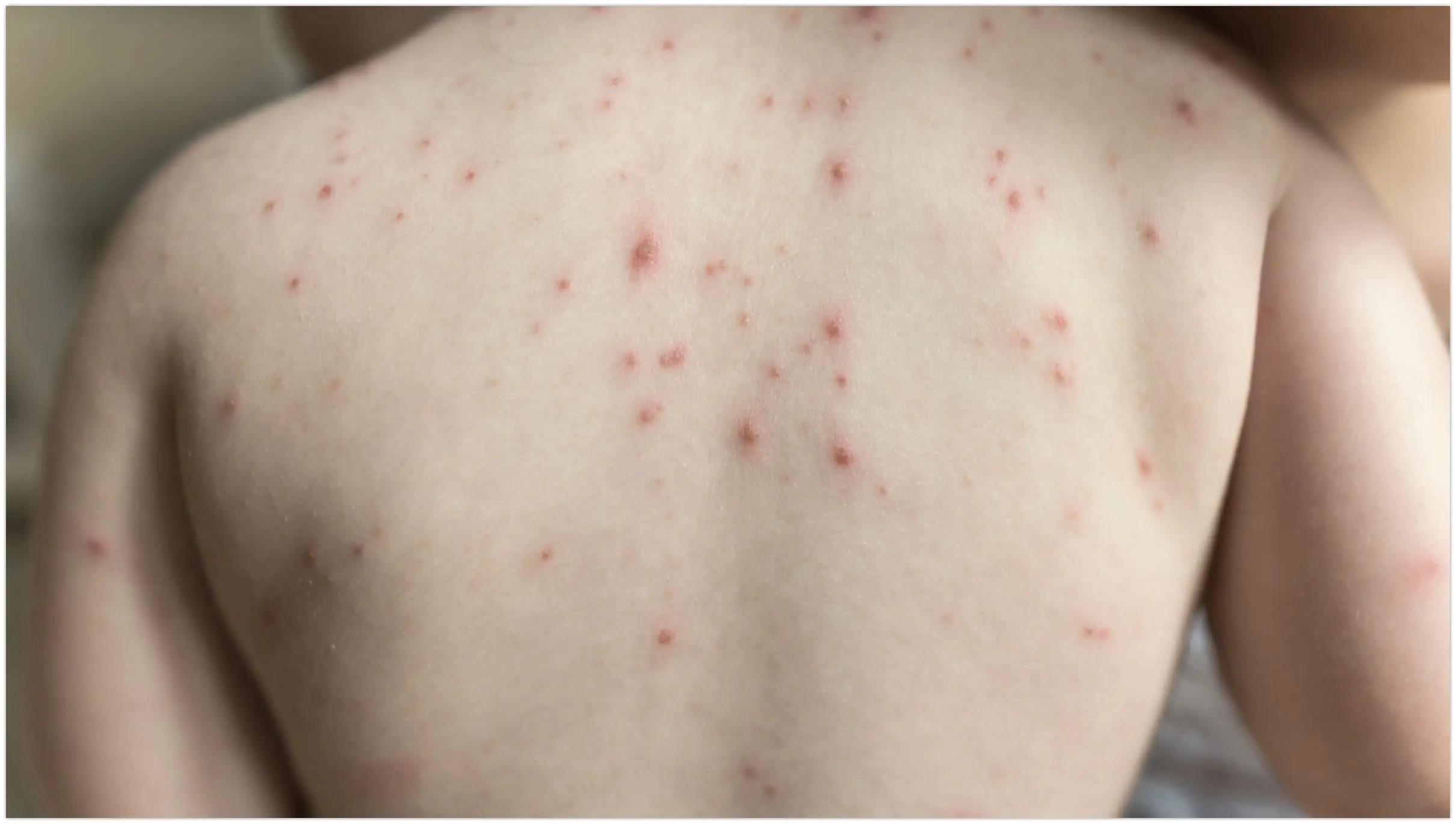
Chapter 2: What Different Types of Red Spots May Reveal
Your skin is the largest organ of your body, and it can respond to many internal and external changes. That is why red spots should never be interpreted based on color alone.
Different conditions can produce marks that look remarkably similar at first glance.
Understanding some of the common possibilities can help you decide when simple observation is reasonable and when medical evaluation is necessary.
1. Cherry angiomas: Small red bumps that often appear with age
Cherry angiomas are among the most common explanations for small, bright-red spots in adults.
They usually have a smooth surface and a well-defined shape. Some are completely flat, while others look like tiny rounded bumps.
They can appear individually or in groups, particularly across the torso.
Most cherry angiomas are painless. They may occasionally bleed if scratched, rubbed, or accidentally injured.
Their presence alone usually does not indicate an internal disease. However, if a spot changes rapidly, develops an unusual appearance, or repeatedly bleeds without an obvious reason, it should be examined.