2. Petechiae: Tiny spots caused by bleeding beneath the skin
Petechiae are often much smaller than ordinary red bumps. They may look like tiny red, purple, or brown dots scattered across the skin.
They occur when small blood vessels break and release blood into the surrounding tissue.
Unlike many inflammatory rashes, petechiae generally do not disappear when pressed.
There are several possible explanations.
Sometimes, they appear after intense physical strain. In other situations, they may be associated with infections, platelet disorders, blood-clotting problems, or reactions to certain medications.
A sudden appearance of widespread petechiae deserves attention, especially when accompanied by fever, weakness, dizziness, unusual bleeding, or feeling seriously unwell.
A rapidly spreading rash that does not fade under pressure, particularly with fever or severe illness, requires urgent medical assessment.
3. Folliculitis: Red spots around hair follicles
Folliculitis develops when hair follicles become inflamed. The affected areas may appear as small red bumps, sometimes with a white or yellow center.
They can resemble acne and may be itchy, tender, or uncomfortable.
Common contributing factors include friction, shaving, sweating, tight clothing, and bacterial or fungal infections.
Folliculitis often appears on areas where hair grows, including the legs, arms, buttocks, chest, and scalp.
Mild cases may improve with gentle skin care and avoiding the irritation that triggered them. More persistent or severe cases may require medical treatment.
4. Allergic reactions and contact dermatitis
Some red spots develop after the skin comes into contact with a substance that causes irritation or an allergic reaction.
Possible triggers include soaps, detergents, fragrances, cosmetics, plants, metals, and certain fabrics.
The affected skin may become red, itchy, swollen, dry, or blistered.
Unlike cherry angiomas, which often remain in the same place, allergic or irritant reactions may spread across areas that have been exposed to the triggering substance.
Identifying and avoiding the cause is an important part of managing these reactions.
5. Insect bites
Insect bites can produce small red bumps, sometimes with a visible central puncture mark.
They are frequently itchy and may appear in groups or lines, depending on the insect and circumstances.
Most uncomplicated bites improve without special treatment. However, significant swelling, difficulty breathing, dizziness, or swelling of the lips or tongue after a bite may indicate a severe allergic reaction and requires emergency care.
The key lesson is that similar-looking marks can have completely different causes.
A red spot is not a diagnosis. Its appearance is only one part of the information a healthcare professional considers.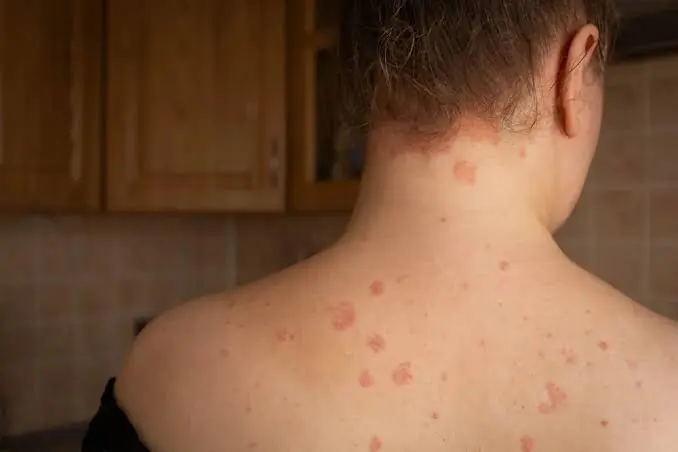
Chapter 3: When Red Spots May Be Connected to Blood, Platelets, or Infection
Although many small red marks are harmless, some deserve closer attention because they may be associated with changes in the blood or the body's response to infection.
One important example involves platelets.
Platelets are tiny blood components that help stop bleeding by forming plugs at damaged blood vessels. When platelet levels become too low, or when platelet function is impaired, a person may develop unusual bruising or bleeding.
Small red or purple spots called petechiae can sometimes be one of the visible signs.
A person may notice them on the legs, feet, arms, or other areas. They may appear without an obvious injury and may be accompanied by larger patches of bruising.
Other warning signs can include frequent nosebleeds, bleeding gums, unusually heavy menstrual bleeding, or blood in the urine or stool.
There are many possible causes of low platelet levels. Certain infections, immune-related conditions, medications, and disorders affecting the bone marrow can contribute.
However, seeing a few red spots does not automatically mean that someone has a platelet disorder.
A healthcare professional may recommend a complete blood count, which measures different types of blood cells, including platelets. Additional tests may be necessary depending on the person's symptoms and medical history.
Another important possibility is infection.
Certain viral and bacterial illnesses can cause skin rashes. Some are mild and resolve as the infection improves. Others may require prompt treatment.
For example, some viral infections produce widespread red spots, sometimes accompanied by fever, fatigue, headache, sore throat, or muscle aches.
More serious bacterial infections can occasionally cause a rapidly spreading rash that includes petechiae or larger purple areas.
One particularly important warning is the combination of fever, a rash that does not fade when pressed, and a person who appears seriously ill.
This combination can indicate a medical emergency. Do not wait to see whether the spots disappear on their own.
Seek emergency medical attention if someone develops a rapidly spreading non-blanching rash, especially alongside fever, confusion, severe headache, a stiff neck, breathing difficulties, fainting, or extreme weakness.