If a skin lesion looks unusual, a dermatologist may examine it more closely. In selected cases, a skin biopsy may be necessary to determine its nature.
Not everyone with small red spots needs extensive testing. The appropriate evaluation depends on the appearance of the marks and the person's overall health.
The most important thing is to avoid both extremes: ignoring every change or assuming that every unusual mark signals a serious disease.
A careful, balanced approach is far more useful.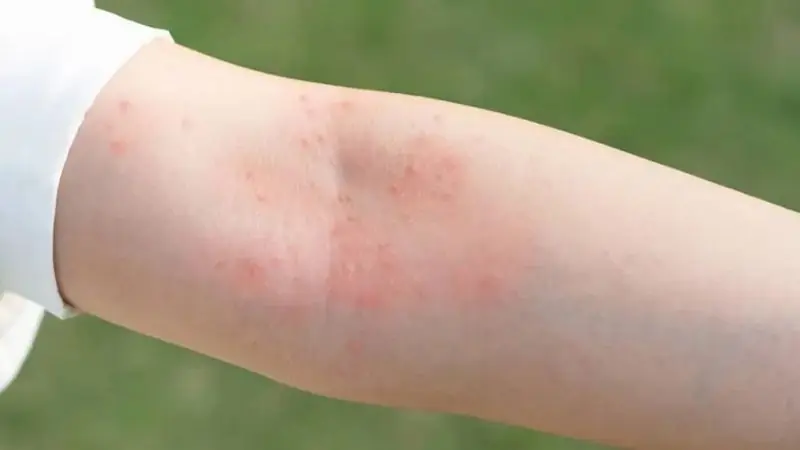
Chapter 5: Simple Habits That Help Protect Your Skin and Overall Health
Your skin changes throughout your life. Aging, genetics, environmental exposure, hormones, medications, and everyday habits can all influence its appearance.
Although you cannot prevent every red spot, there are practical steps you can take to support healthy skin and recognize problems earlier.
Protect your skin from excessive sun exposure.
Ultraviolet radiation contributes to premature skin aging and increases the risk of certain skin cancers.
Use a broad-spectrum sunscreen with SPF 30 or higher when spending time outdoors. Reapply it as directed, particularly after swimming, sweating, or prolonged outdoor activity.
Protective clothing, sunglasses, and shade can provide additional protection.
Sun protection does not prevent cherry angiomas, but it helps reduce other forms of skin damage.
Choose gentle skin-care products.
Harsh soaps, strong fragrances, and irritating ingredients can trigger redness and discomfort in sensitive skin.
If you frequently experience unexplained irritation, consider using fragrance-free cleansers and moisturizers.
Introduce new products gradually rather than changing several products at once. This makes it easier to identify potential triggers.
Avoid scratching or picking at red spots.
Even harmless cherry angiomas can bleed if scratched or injured.
Picking at bumps may also increase irritation and introduce bacteria into damaged skin.
If a spot is repeatedly catching on clothing or bleeding, have it evaluated rather than attempting to remove it yourself.
Maintain a balanced diet.
A varied diet provides nutrients needed for normal skin function and overall health.
Include vegetables, fruits, whole grains, legumes, nuts, and appropriate sources of protein.
Vitamin C supports collagen production, while protein provides building blocks for tissue repair. Other nutrients, including zinc and vitamin A, also contribute to normal skin function.
However, no particular food or supplement has been proven to eliminate cherry angiomas or reliably prevent petechiae.
Avoid taking high-dose supplements simply because you have noticed red spots. Some supplements can interact with medications or affect bleeding risk.
Pay attention to medication changes.
If unexplained bruising, bleeding, or a new rash develops after starting a medication, contact your healthcare provider.
This is particularly important if you take anticoagulants or antiplatelet medicines.
Never discontinue essential treatment on your own. Your clinician can determine whether a medication reaction is possible and whether an alternative is appropriate.
Make skin checks part of your routine.
You do not need to examine every inch of your body every day. However, occasionally checking your skin can help you notice changes that might otherwise go unnoticed.
Look at your arms, legs, chest, back, shoulders, and other accessible areas.
If you notice a mark that looks different from the others, changes over time, or repeatedly bleeds, arrange an examination.
For suspicious pigmented lesions, dermatologists often recommend paying attention to asymmetry, irregular borders, uneven color, changes in size, and evolution over time. These features are not a diagnosis, but they can help identify lesions that need assessment.
Most importantly, remember that your skin is not a perfect window into your internal health.
A red spot cannot tell you exactly what is happening inside your body. It cannot independently confirm cancer, a blood disorder, or an infection.
What it can do is provide a reason to pay attention.
A small, bright-red bump that remains unchanged for years may simply be a common cherry angioma. A sudden outbreak of tiny purple spots accompanied by fever may require urgent medical care. An itchy rash after using a new detergent may point toward contact dermatitis.
The differences matter.
If you have noticed tiny red spots on your skin, take a moment to observe them rather than immediately assuming the worst. Consider when they appeared, whether they are changing, and whether you have other symptoms.
When something seems unusual or unexplained, getting professional advice is a sensible decision.
Sometimes, the marks on your skin are nothing more than harmless changes that come with time. Other times, they are clues worth investigating.
Learning the difference can help you protect your health without living in unnecessary fear.