 \
\Bruised Legs Can Be Caused by Some Serious Conditions — Here’s When You Need to Be Careful
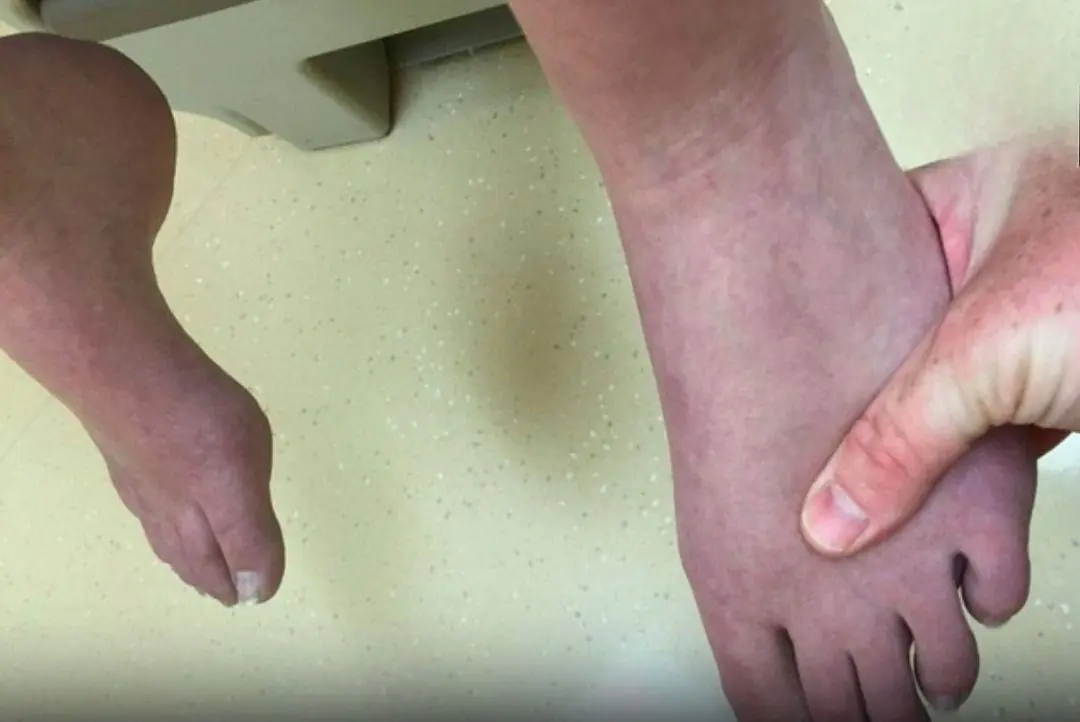
Bruises on the legs are common. Bumping into furniture, minor injuries, or daily activities can easily leave marks, especially on the lower limbs. In most cases, bruises are harmless and fade on their own.
However, when bruising appears frequently, without clear injury, or alongside other symptoms, it may be the body’s way of signaling an underlying health issue. Knowing when bruises are normal and when they deserve attention is essential for protecting your health.
What Causes a Bruise?
A bruise forms when small blood vessels under the skin break, allowing blood to leak into surrounding tissue. This usually happens after trauma, even mild trauma you may not remember.
Normal bruises:
-
Change color over time (purple → green → yellow)
-
Gradually fade within 1–2 weeks
-
Occur at known injury sites
Concerning bruises behave differently.
When Bruised Legs Should Raise Concern
You should pay closer attention if bruises:
-
Appear without any remembered injury
-
Occur frequently or suddenly
-
Are large, painful, or spreading
-
Take unusually long to heal
-
Are accompanied by swelling, fatigue, or bleeding elsewhere
In these cases, bruising may reflect internal conditions, not surface injuries.
Serious Conditions That Can Cause Unexplained Leg Bruising
1. Blood and Clotting Disorders
Certain conditions affect the body’s ability to clot blood properly, making bruising easier.
Examples include:
-
Low platelet counts
-
Hemophilia
-
Von Willebrand disease
-
Bone marrow disorders
People may notice:
-
Easy bruising
-
Nosebleeds
-
Bleeding gums
-
Prolonged bleeding from small cuts
2. Liver Disease
The liver produces proteins needed for blood clotting. When liver function is impaired, bruising can occur more easily.
Warning signs may include:
-
Yellowing of the skin or eyes
-
Swelling in the legs or abdomen
-
Fatigue
-
Dark urine
Bruising on the legs can be an early external clue.
3. Vascular and Circulatory Disorders
Poor circulation or fragile blood vessels can cause bruising, especially in the lower legs.
These include:
-
Chronic venous insufficiency
-
Varicose veins
-
Vasculitis (blood vessel inflammation)
Bruises may appear with:
-
Swelling
-
Skin discoloration
-
Heaviness or aching in the legs
4. Vitamin Deficiencies
Deficiencies in certain nutrients weaken blood vessels and slow healing.
Common contributors:
-
Vitamin C
-
Vitamin K
-
Vitamin B12
Bruising may occur alongside:
-
Fatigue
-
Pale skin
-
Weakness
-
Numbness or tingling
5. Medication Side Effects
Some medications increase bruising risk, including:
-
Blood thinners
-
Aspirin
-
Corticosteroids
-
Certain antidepressants
In these cases, bruising may be expected—but sudden changes should still be discussed with a doctor.
When Bruising May Signal a More Serious Disease
In rare cases, unexplained bruising may be associated with:
-
Leukemia or other blood cancers
-
Severe infections
-
Autoimmune diseases
This is especially concerning when bruising is combined with:
-
Persistent fatigue
-
Fever or night sweats
-
Unexplained weight loss
-
Frequent infections
Again, bruising alone does not mean cancer, but patterns matter.
What Bruising Does NOT Automatically Mean
It is important to avoid unnecessary panic.
Bruised legs do NOT automatically mean:
-
Cancer
-
A life-threatening illness
-
Internal bleeding
Most bruises are benign.
Doctors evaluate:
-
Frequency
-
Location
-
Size
-
Associated symptoms
-
Medical history
When You Should See a Doctor
Seek medical advice if you notice:
-
Frequent bruising with no injury
-
Bruises that worsen or spread
-
Bruising combined with bleeding elsewhere
-
Leg swelling, pain, or skin changes
-
Sudden changes in bruising pattern
A simple blood test can often clarify the cause.
How to Protect Your Health
You can reduce risk by:
-
Eating a balanced diet
-
Staying hydrated
-
Managing chronic conditions
-
Reviewing medications regularly
-
Seeking early evaluation for unusual changes
Listening to your body early prevents complications later.
Final Thought
Bruises are common—but patterns are powerful clues.
One bruise means little.
Repeated, unexplained bruising means it’s time to pay attention.
Awareness does not create fear.
It creates safety.
If your body shows changes that don’t make sense, get answers instead of guessing.