Spleen Cancer: A Rare but Dangerous Disease You Need to Know About
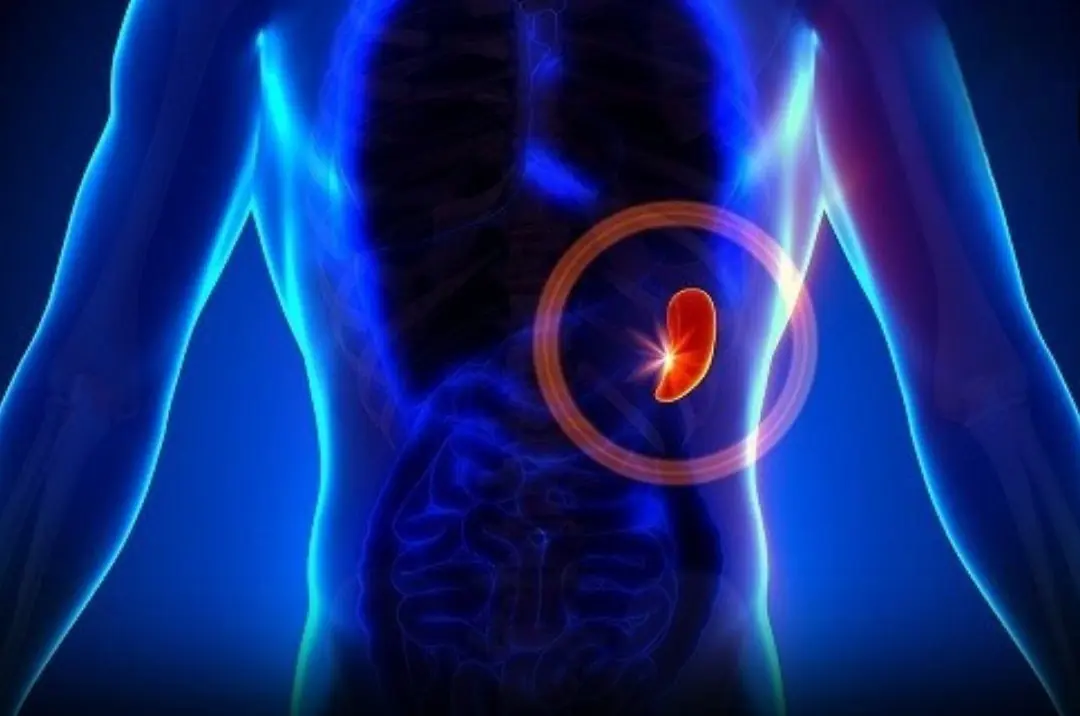
The spleen is a small, often overlooked organ located in the upper left side of the abdomen, just behind the ribs. Despite its size, it plays a critical role in filtering blood, supporting the immune system, and managing red and white blood cells. Because of its quiet function, diseases of the spleen—especially cancer—are often detected late, making awareness extremely important.
Spleen cancer is rare, but when it occurs, it can be life-threatening if not identified early.
What Is Spleen Cancer?
Spleen cancer usually does not originate in the spleen itself. In most cases, it is:
-
Secondary cancer, meaning cancer that has spread from another organ
-
Or part of blood-related cancers, such as lymphoma or leukemia
Primary spleen cancer is extremely uncommon, but splenic involvement in systemic cancers is not.
Because of this, spleen cancer is often a sign of a more widespread disease process, which makes early detection critical.
Why Spleen Cancer Is So Dangerous
The danger of spleen cancer lies in three key factors:
-
Late detection: Symptoms are often vague or mistaken for digestive issues
-
Risk of rupture: An enlarged spleen can rupture, causing internal bleeding
-
Systemic impact: The spleen is directly connected to blood and immune function
Once complications develop, the condition can progress rapidly.
Early Warning Signs You Should Not Ignore
Spleen cancer rarely causes dramatic early symptoms, but the body may send subtle warnings.
1. Persistent Pain or Fullness in the Upper Left Abdomen
This is the most common sign. People may feel:
-
Dull or sharp pain under the left rib cage
-
Pressure that worsens after eating
-
Pain that radiates to the left shoulder
This happens when the spleen becomes enlarged.
2. Unexplained Fatigue and Weakness
Because the spleen helps manage blood cells, cancer affecting it may lead to:
-
Anemia
-
Low platelet counts
-
Reduced oxygen delivery
This results in constant tiredness that does not improve with rest.
3. Frequent Infections or Slow Recovery
A malfunctioning spleen weakens immune response, causing:
-
Repeated infections
-
Longer recovery times
-
Increased susceptibility to illness
This is especially concerning when infections become unusually frequent.
4. Easy Bruising or Bleeding
Low platelets caused by spleen dysfunction may lead to:
-
Frequent nosebleeds
-
Bleeding gums
-
Bruising without injury
These signs are often misattributed to aging or minor trauma.
5. Unexplained Weight Loss or Appetite Changes
Cancer-related metabolic changes can cause:
-
Loss of appetite
-
Feeling full quickly
-
Gradual, unexplained weight loss
When combined with abdominal discomfort, these symptoms warrant evaluation.
Who Is at Higher Risk?
Spleen cancer is more likely in people with:
-
Lymphoma or leukemia
-
Chronic liver disease
-
Immune system disorders
-
Long-term infections