You sit down for a meal, take a bite, and never give a second thought to what might be hiding inside.
For most people, food is simply food. We think about its flavor, texture, freshness, and how it was prepared. But certain foods can carry microscopic organisms that are impossible to detect just by looking at them.
Among the most concerning are foodborne parasites.
Parasites can enter the food chain through contaminated water, soil, animals, or improper food handling. In some cases, eating contaminated food can expose a person to microscopic parasite stages or other infectious organisms.
That doesn't mean every piece of meat, fish, fruit, or vegetable contains parasites. It doesn't.
But it does explain why food preparation and hygiene matter so much.
And one category of food deserves particular attention:
raw or undercooked animal products.
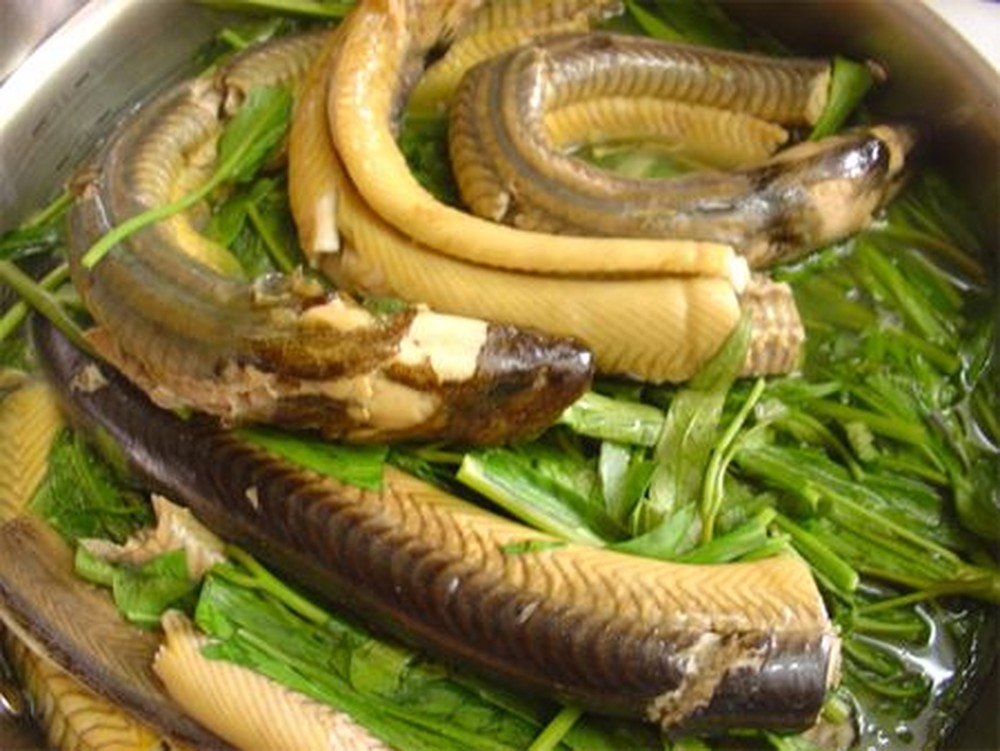
What Are Foodborne Parasites?
Parasites are organisms that live in or on another organism and obtain nutrients from their host.
Some parasites can infect humans after contaminated food or water is consumed.
Depending on the parasite, infection can affect the:
-
Digestive system
-
Intestinal tract
-
Muscles
-
Liver
-
Other tissues or organs
Some infections cause obvious symptoms, while others may initially produce few or no noticeable symptoms.
Foodborne parasitic infections are not new. Humans have dealt with them for thousands of years, and many traditional food-preparation practices developed partly around the need to make food safer.
Today, refrigeration, sanitation, inspection, freezing methods, and proper cooking have dramatically reduced many risks—but they have not eliminated them.
🥩 The Biggest Concern: Raw or Undercooked Meat
Certain parasites can be transmitted through raw or insufficiently cooked meat.
Pork, beef, game meat, and other animal products can carry different biological hazards depending on the animal, region, farming practices, and preparation method.
One well-known example is Taenia solium, commonly called the pork tapeworm.
Humans can become infected with the adult tapeworm by eating undercooked pork containing larval cysts.
But there's an important distinction.
Eating infected pork can cause an intestinal tapeworm infection, while cysticercosis occurs when a person ingests T. solium eggs, typically through fecal-oral contamination.
These are related but different conditions.
This distinction matters because online articles sometimes incorrectly suggest that simply eating pork automatically causes cysticercosis.
It doesn't.
🐟 Raw Fish Can Carry Parasites Too
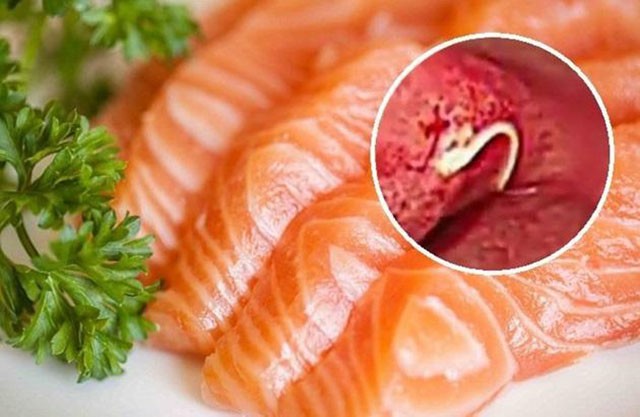
Raw or undercooked fish is another important category.
Certain fish can carry parasites such as Anisakis, a type of parasitic worm associated with marine fish and squid.
People can become infected after consuming raw or inadequately cooked seafood containing infectious larvae.
Anisakis infection may cause:
-
Sudden abdominal pain
-
Nausea
-
Vomiting
-
Diarrhea
-
Irritation of the digestive tract
Some people can also experience allergic reactions to parasite-related proteins.
This is one reason dishes containing raw or lightly cooked fish require appropriate food-safety controls.
It's also why professional food preparation matters when eating sushi, sashimi, ceviche, or similar dishes.
🍣 Does Freezing Fish Make Raw Fish Safe?
Freezing can be an important control measure for certain parasites in fish.
Commercial seafood intended to be eaten raw may undergo specific freezing processes designed to kill many parasites.
However, freezing does not make every seafood hazard disappear.
It may not eliminate all bacteria, viruses, toxins, or chemical contaminants.
The exact freezing requirements can also depend on the type of fish and applicable food-safety regulations.
So “it was frozen” should not be interpreted as meaning “there is zero food-safety risk.”
🥬 Vegetables Can Carry Parasites Too
Animal products aren't the only concern.
Certain parasites can contaminate fresh produce, especially when fruits and vegetables come into contact with contaminated soil, irrigation water, animal feces, or contaminated hands.
Leafy greens and raw vegetables are particularly important because they're often eaten without cooking.
One example is Cyclospora, a parasite that can cause prolonged intestinal illness and has been associated with contaminated fresh produce and herbs.
Another is Giardia, which can spread through contaminated water or food.
This doesn't mean you should stop eating fresh vegetables.
Quite the opposite.
Fresh produce is an important part of a healthy diet.
The lesson is simply that washing, handling, and sourcing food properly matter.
💧 Contaminated Water Can Be Part of the Problem
Food doesn't always become contaminated during cooking or packaging.
Sometimes the problem begins with water.
If irrigation water is contaminated, microorganisms or parasite stages can potentially reach crops.
Similarly, contaminated drinking water can transmit certain parasites directly.
This is why access to clean water and effective sanitation is one of the most important public-health interventions in preventing foodborne disease.
🐌 What About Watercress and Aquatic Plants?
Some parasites have particularly strong associations with freshwater environments.
Fasciola, commonly known as the liver fluke, can infect humans who consume raw or inadequately cooked aquatic plants contaminated with infectious stages of the parasite.
Watercress is a well-known example in regions where fascioliasis occurs.
The risk is not universal, and it depends heavily on local environmental conditions and sanitation.
Still, the example demonstrates an important principle:
Parasite risks are often closely connected to the environment in which food is grown or harvested.
🐄 Meat Isn't Automatically Dangerous
It's important not to take the headline too literally.
The presence of a potential parasite risk doesn't mean that ordinary meat from regulated food systems is crawling with parasites.
Modern food production uses multiple layers of protection, including:
-
Veterinary inspection
-
Sanitation controls
-
Refrigeration
-
Freezing where appropriate
-
Processing standards
-
Cooking recommendations
-
Consumer food-safety practices
The actual risk varies dramatically by food, parasite, location, and preparation method.
A properly cooked piece of meat from a regulated source is very different from raw meat of uncertain origin.
🔥 Cooking Is One of Your Best Defenses
Proper cooking is one of the most effective ways consumers can reduce the risk of many foodborne parasites.
Heat can destroy many parasites when food reaches an appropriate internal temperature for an adequate period of time.
But simply looking at the outside of meat isn't enough.
A piece of meat can appear cooked on the surface while remaining undercooked in the center.
That's why a food thermometer is often more reliable than judging doneness by color alone.
Recommended safe cooking temperatures vary by food type, so follow guidance from your local food-safety authority or a reliable food-safety source.
🔪 Cross-Contamination Is Another Hidden Risk
Even if you cook your meat properly, contamination can occur during preparation.
Imagine this:
You cut raw chicken on a cutting board.
Then, without washing the board, you use the same surface to chop lettuce.
The lettuce isn't going to be cooked.
Any microorganisms transferred from the raw meat could therefore reach the ready-to-eat food.
This is called cross-contamination.
Simple habits can greatly reduce this risk:
-
Use separate cutting boards for raw meat and ready-to-eat foods when practical.
-
Wash hands after handling raw animal products.
-
Clean knives and preparation surfaces thoroughly.
-
Keep raw meat separate from cooked food.
-
Don't place cooked food back onto a plate that held raw meat unless the plate has been washed.
These steps are simple, but they matter.
🧼 Washing Your Hands Is More Important Than It Sounds
Your hands can become a bridge between contaminated food and everything else in the kitchen.
After handling raw meat, seafood, soil, or unwashed produce, wash your hands thoroughly with soap and running water.
This is particularly important before:
-
Preparing ready-to-eat foods
-
Eating
-
Touching your face
-
Handling food for children
-
Preparing food for people with weakened immune systems
Handwashing doesn't need to be complicated.
It just needs to be done consistently.
🚿 Should You Wash Fruits and Vegetables?
For most fresh produce, rinsing under clean running water can help remove dirt and some microorganisms from the surface.
Firm produce can often be rubbed gently while being rinsed.
However, washing produce doesn't guarantee elimination of every parasite, bacterium, or virus.
Don't use household bleach, soap, or other cleaning chemicals on food unless a product is specifically designed and approved for that purpose.
For foods that will be eaten raw, careful handling remains important even after washing.
😨 What Happens If You Accidentally Eat a Parasite?
This is where internet discussions can become unnecessarily frightening.
Accidentally eating a potentially contaminated food does not automatically mean you will develop a serious parasitic infection.
Whether infection occurs depends on factors such as:
-
Which organism is present
-
How much was consumed
-
Whether the organism was infectious at the time
-
How the food was prepared
-
A person's immune system
-
The specific parasite's life cycle
Some parasites are destroyed by proper cooking.
Others require particular conditions or hosts to complete their life cycle.
So the phrase “one bite equals thousands of parasites” can be misleading when presented as a universal fact.
The real risk is more nuanced.
🤢 What Symptoms Can Foodborne Parasites Cause?
Symptoms depend heavily on the parasite involved.
Possible symptoms include:
-
Abdominal pain
-
Diarrhea
-
Nausea
-
Vomiting
-
Bloating
-
Loss of appetite
-
Fatigue
-
Weight loss
-
Fever
Some parasitic infections can cause symptoms that persist for weeks.
Others may cause very mild symptoms or none at all.
Certain parasites can affect tissues outside the digestive tract, making medical evaluation particularly important when unusual or persistent symptoms develop.
🚨 When Should You See a Doctor?
You don't need to panic after eating a meal that might have been undercooked.
But medical advice is appropriate if you develop significant or persistent symptoms, particularly after eating high-risk foods or traveling in an area where certain parasitic infections are common.
Seek medical attention promptly for symptoms such as:
-
Severe or worsening abdominal pain
-
Persistent vomiting
-
Bloody diarrhea
-
Signs of dehydration
-
High or persistent fever
-
Significant unexplained weight loss
-
Neurological symptoms
-
Symptoms that continue or worsen over time
Tell your healthcare professional what you ate and where you traveled if those details are relevant.
That information can help determine whether specific testing is appropriate.
🌍 Travel Can Change the Risk
Foodborne parasite risks aren't the same everywhere.
Traveling can expose people to different parasites because of variations in:
-
Water sanitation
-
Food preparation
-
Agriculture
-
Animal husbandry
-
Local cuisine
-
Public-health infrastructure
When traveling, be particularly cautious with foods that are:
-
Raw
-
Undercooked
-
Washed with questionable water
-
Served unrefrigerated for long periods
-
Prepared in environments with uncertain hygiene
Depending on the destination, travelers may need additional precautions around drinking water and fresh produce.
🥩 What Foods Deserve Extra Attention?
Rather than memorizing a frightening list, remember the main categories.
Raw or undercooked meat
Certain meats can transmit parasites if not properly cooked.
Raw or undercooked fish
Some marine and freshwater fish can carry parasites.
Raw aquatic plants
Certain parasites are associated with freshwater vegetation.
Unwashed produce
Fresh fruits and vegetables can become contaminated through soil, water, animals, or handling.
Untreated water
Contaminated water can directly transmit certain parasites and can also contaminate food.
The common thread is contamination + an infectious organism + an opportunity for exposure.
🍽️ What About Rare Meat?
People who prefer rare steak often ask whether they are at risk.
The answer depends on the meat and the pathogen.
Some foodborne hazards are more strongly associated with ground meat or certain animal products than others.
Ground meat deserves particular attention because bacteria or other contaminants present on the surface can become distributed throughout the meat during grinding.
For foods where undercooking carries a recognized risk, following recommended cooking temperatures is safer than relying solely on appearance.
🥩 What About Raw or Undercooked Pork?
Pork has a particularly complicated history in discussions about parasites.
Certain parasites can be associated with pork, but modern production practices and inspection have changed the risk substantially in many countries.
Nevertheless, proper cooking remains an important precaution.
And remember the distinction mentioned earlier:
Eating pork containing Taenia solium larvae can cause an intestinal tapeworm infection.
Cysticercosis results from ingesting T. solium eggs, which are typically acquired through fecal-oral contamination.
These are not the same thing.
🧠 Don't Trust Viral “Parasite” Photos Too Quickly
Social media is full of dramatic images claiming to show parasites inside ordinary food.
Some images are genuine.
Others are misunderstood, manipulated, incorrectly labeled, or completely unrelated to the food being discussed.
A photograph of a worm-like object doesn't automatically prove that the food contains a human-infecting parasite.
If a claim says that a particular food contains “thousands of parasites in every bite,” look for evidence from reputable food-safety or public-health organizations before sharing it.
Fear is not a substitute for evidence.
🛡️ Simple Ways to Reduce Your Risk
You don't need to eliminate entire food groups from your diet.
A few practical habits can dramatically improve food safety.
1. Cook high-risk foods thoroughly
Use a food thermometer when appropriate.
2. Keep raw foods separate
Prevent raw meat and seafood from contacting ready-to-eat foods.
3. Wash your hands
Especially after handling raw animal products or soil.
4. Rinse fresh produce
Use clean running water and handle it carefully.
5. Drink safe water
When traveling, follow local public-health recommendations.
6. Choose reputable sources
Buy meat and seafood from reliable suppliers.
7. Be cautious with raw foods
Understand that dishes such as raw fish, undercooked meat, and raw aquatic plants can carry specific risks.
8. Refrigerate food appropriately
Don't leave perishable foods at unsafe temperatures for extended periods.
The Real Lesson Behind the “One Bite” Warning
The idea of “thousands of parasites hiding in one bite” makes for a dramatic headline.
But the reality is more complicated.
Foodborne parasites are real. They can cause genuine illness, and some foods are more likely to transmit them when eaten raw or undercooked.
At the same time, it would be misleading to suggest that every piece of a particular food contains thousands of parasites.
The risk depends on the organism, the food, the environment, the source, and how the food was prepared.
That's why the best approach isn't fear.
It's food safety.
🍴 One Simple Rule to Remember
You don't have to be afraid of your food.
You simply need to respect it.
Cook animal products properly. Wash produce. Keep raw foods away from ready-to-eat foods. Use clean water. Wash your hands. And be especially careful with raw or undercooked foods.
These ordinary habits are far more useful than worrying about invisible parasites in every meal.
Because while parasites can sometimes hide where you can't see them, good food-safety practices give you a powerful way to reduce the risk before that first bite ever reaches your mouth.