You may go to bed feeling exhausted, only to wake up two or three hours later with a strong urge to urinate. After returning to bed, you might struggle to fall asleep again. By morning, you feel tired, irritable, and less focused than usual.
For some people, this happens occasionally after drinking a large amount of water in the evening. For others, nighttime bathroom visits become a regular pattern that continues for months or even years.
The medical term for waking from sleep to urinate is nocturia. It becomes more common with age, but it is not something you should automatically dismiss as an unavoidable part of getting older.
The good news is that a few practical changes may help reduce nighttime urination. The most effective approach, however, depends on why it is happening in the first place.
One simple habit worth examining is when and how much you drink during the hours before bedtime. Adjusting your evening fluid intake may help if you are producing too much urine overnight, but it will not solve every cause of nocturia.
Understanding the reasons behind those nighttime trips is the first step toward getting more uninterrupted sleep.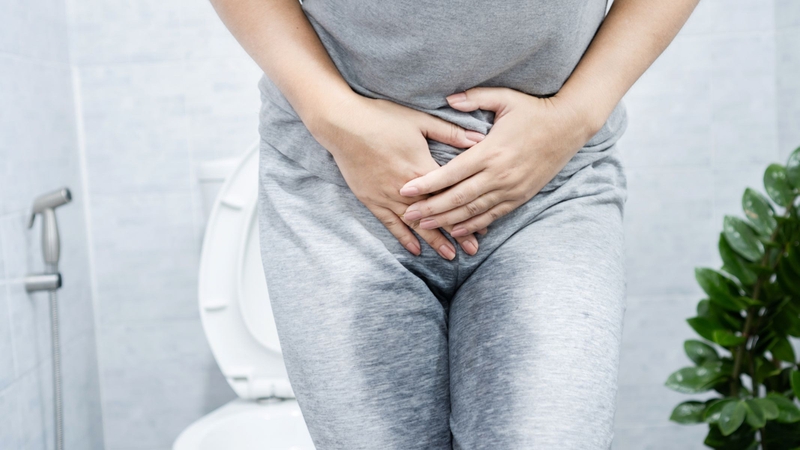
1. Start by Changing When You Drink Water
One of the simplest ways to reduce nighttime bathroom visits is to spread your fluid intake more evenly throughout the day.
If you drink several large glasses of water shortly before going to bed, your kidneys will continue processing that fluid while you sleep. Depending on your circumstances, this can increase the likelihood that your bladder fills during the night.
Instead of drinking most of your daily fluids in the evening, try drinking regularly from morning through the afternoon.
For example, you might:
-
Drink a glass of water after waking up.
-
Continue drinking with meals throughout the day.
-
Keep water available during work or other activities.
-
Drink according to thirst rather than waiting until evening to catch up.
-
Reduce large drinks during the final two to four hours before bedtime if nighttime urination is a problem.
This does not mean you should stop drinking water in the evening altogether. If you are thirsty, drink. If you exercise, spend time in hot weather, or have a medical condition that affects hydration, your needs may be different.
The objective is to avoid unnecessarily concentrating a large portion of your fluid intake immediately before sleep.
Do not deliberately dehydrate yourself to prevent nighttime urination. Excessive fluid restriction can cause dehydration, dizziness, constipation, and other problems. People with kidney disease, heart conditions, diabetes, or other medical concerns should follow their clinician's advice about fluid intake.
If changing your drinking schedule helps, you may notice fewer interruptions during the night. If it makes little difference, another factor may be responsible.
2. Pay Attention to Caffeine in the Afternoon and Evening
That afternoon coffee or evening cup of tea may be affecting your sleep more than you realize.
Caffeine is a stimulant that can make it harder to fall asleep and may increase urinary urgency or urine production in some people. Its effects can last for several hours, although the duration varies between individuals.
Coffee is not the only source. Tea, energy drinks, cola, and some chocolate products also contain caffeine.
If you regularly wake up to urinate, consider whether caffeine could be contributing to the problem.
You might try avoiding caffeine for at least six hours before bedtime, or earlier if you are particularly sensitive to it.
For example, someone who goes to bed at 10 p.m. could experiment with making early afternoon their caffeine cutoff.
Pay attention to both the amount you consume and the time you consume it. A large coffee late in the afternoon may affect you differently from a small cup in the morning.
Caffeine can also affect sleep independently of urination. Even if it does not directly increase your need to use the bathroom, it may make you sleep more lightly and notice bladder sensations that you would otherwise sleep through.
If you enjoy an evening hot drink, consider a caffeine-free alternative.
However, remember that caffeine-free beverages still contribute fluid. The goal is to manage both the timing of your drinks and their ingredients.
3. Be Careful With Alcohol Before Bed
Alcohol may initially make you feel sleepy, but it can interfere with normal sleep patterns and increase nighttime awakenings.