You should not have to accept months of exhausted mornings without investigating whether something can be improved.
The Bottom Line
Waking up repeatedly to urinate can disrupt your sleep, but the solution is not always as simple as drinking less water.
One useful first step is to spread your fluid intake throughout the day and avoid consuming large amounts immediately before bedtime. Reducing late caffeine and alcohol, emptying your bladder before sleep, and maintaining a consistent bedtime routine may also help in some circumstances.
However, persistent nocturia can be associated with an enlarged prostate, overactive bladder, diabetes, medication effects, fluid redistribution, sleep apnea, or other health conditions.
If you continue waking frequently despite reasonable lifestyle adjustments, consider discussing the problem with a healthcare professional.
Seek prompt assessment if you notice pain, blood in your urine, unusual thirst, difficulty emptying your bladder, or other concerning symptoms.
And remember that severe symptoms, such as an inability to urinate with a painfully full bladder, require urgent care.
The goal is not to eliminate every nighttime bathroom visit at any cost. It is to understand why they are happening and find a safe, effective way to improve your sleep.
Sometimes, a small adjustment to your evening routine makes a meaningful difference. Other times, the most important step is recognizing that your body may be signaling a problem that deserves attention.
A better night's sleep begins not with ignoring the urge to urinate, but with understanding what is causing it.
Additional Tips for Maintaining Healthy Bladder Habits
Beyond adjusting your evening routine, a few other habits may help you manage nighttime urination and protect your overall urinary health.
Maintain a Healthy Weight and Stay Active
Excess body weight can increase pressure on the bladder and pelvic floor, potentially contributing to urinary symptoms in some people. Regular physical activity can support weight management, improve metabolic health, and reduce the risk of conditions such as type 2 diabetes that may contribute to frequent urination.
You do not need to begin an intense exercise program. Walking, swimming, cycling, or other activities you enjoy can be useful ways to stay active. If you have an existing medical condition or mobility limitations, choose activities appropriate for your abilities.
Do Not Ignore Bladder Urgency During the Day
Some people respond to frequent urination by repeatedly visiting the bathroom before they feel a meaningful urge. Others delay urination for long periods despite discomfort.
Neither approach is necessarily helpful for everyone. Try to maintain a comfortable, regular bathroom routine and pay attention to changes in urgency or frequency.
If you experience sudden urges, leakage, or frequent urination in small amounts, a healthcare professional may recommend bladder training or other treatments, depending on the cause. Bladder training should not replace medical evaluation when symptoms are new, painful, or worsening.
Review Your Evening Meals
Large evening meals, particularly those that trigger reflux or discomfort, can interfere with sleep. Spicy or acidic foods may worsen symptoms in some individuals, although food triggers vary considerably.
If you regularly wake with heartburn, a sour taste, or fluid coming back into your throat, consider whether your evening eating habits could be contributing to disrupted sleep. Allowing time between your last substantial meal and bedtime may help some people with reflux.
However, reflux and nighttime urination are different problems. Changing your diet may improve sleep without necessarily reducing urine production.
Make Your Bedroom Safer
Even when nighttime urination cannot be eliminated, you can make each bathroom trip safer. Keep the route to the bathroom clear, use a night-light, and avoid leaving loose objects or rugs where you might trip.
If you frequently feel dizzy when standing, sit at the edge of the bed briefly before getting up. Persistent dizziness, particularly if accompanied by weakness or fainting, should be assessed by a healthcare professional.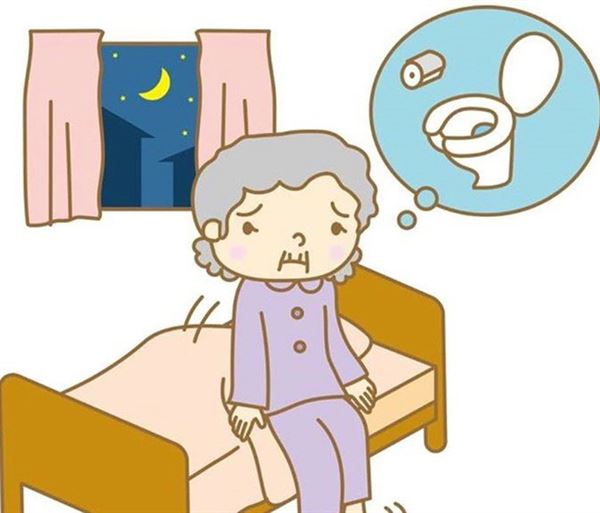
Give Changes Time, but Know When to Seek Help
After adjusting your fluid schedule or reducing evening caffeine, observe whether your symptoms improve over several nights. A short diary can help you compare your sleep and bathroom habits before and after making changes.
If nighttime urination continues to interrupt your sleep, do not keep restricting fluids in the hope that the problem will disappear. Persistent symptoms may require investigation for bladder conditions, diabetes, medication effects, prostate problems, or sleep apnea.
Ultimately, healthy bladder habits are about balance. Drink enough to remain hydrated, avoid habits that clearly worsen your symptoms, and seek professional advice when the problem persists.
You deserve restful sleep, and repeated nighttime bathroom visits are worth addressing rather than simply accepting as part of everyday life.