7. Check Whether Your Medications Affect Urination
Some medications can increase urine production or influence the timing of nighttime urination.
Diuretics, sometimes called water pills, are commonly prescribed for conditions such as high blood pressure, heart failure, and fluid retention.
They help the body remove excess salt and water, which can increase urination.
If a diuretic is taken late in the day, its effects may continue into the evening or night, depending on the medication and individual response.
Other medications may affect bladder function, fluid balance, or sleep in different ways.
If you suspect a medication is contributing to nocturia, speak with your prescribing clinician. Depending on the medication and your medical needs, the clinician may consider whether adjusting the timing or reviewing the treatment is appropriate.
Never stop a prescribed medication or change its dose on your own simply to avoid nighttime bathroom visits.
For some people, taking a diuretic at a different time may be appropriate. For others, changing the schedule could interfere with blood pressure control, heart treatment, or other important aspects of care.
A medication review can help determine whether your current treatment is contributing to the problem and whether a safer alternative exists.
8. Do Not Ignore Diabetes or High Blood Sugar
Frequent urination can sometimes be an early sign of diabetes or poorly controlled blood sugar.
When blood glucose levels become too high, the kidneys may begin removing excess glucose through urine. Water follows the glucose, potentially increasing urine volume.
This can lead to frequent urination during the day and at night.
Other symptoms may include increased thirst, unexplained weight loss, blurred vision, fatigue, and slow-healing wounds.
Of course, nighttime urination alone does not mean you have diabetes. Many other conditions can produce the same symptom.
However, if frequent urination occurs alongside unusual thirst or other symptoms, it is important to seek medical evaluation rather than assuming the problem is caused by drinking too much water.
People who already have diabetes may need their blood glucose management reviewed if nighttime urination becomes more frequent.
A healthcare professional can determine whether blood tests or other assessments are appropriate.
Reducing water intake is not a safe way to manage excessive urination caused by high blood sugar. The underlying problem needs attention.
9. Recognize the Difference Between a Full Bladder and a Sleep Problem
Not every person who wakes up to urinate is waking because their bladder is full.
Sometimes, another problem interrupts sleep first. Once awake, the person notices a mild bladder sensation and decides to use the bathroom.
This distinction can be important.
For example, insomnia, chronic pain, environmental noise, restless legs, anxiety, and sleep apnea may cause repeated awakenings. A person may then begin associating each awakening with a bathroom visit.
Over time, the habit can feel automatic.
Ask yourself whether you wake with a strong, urgent need to urinate or whether you wake for another reason and then decide to go.
The answer is not always obvious, but noticing the pattern can be helpful.
If you wake repeatedly with only small amounts of urine, especially when you also experience snoring, gasping, or daytime sleepiness, discuss the symptoms with a healthcare professional.
Obstructive sleep apnea is an important possible contributor because it can cause fragmented sleep and changes in the body's regulation of fluid and urine production.
Treating the sleep disorder, when present, may improve nocturia as well as daytime fatigue.
Do not assume that every nighttime awakening is a bladder problem.
Sometimes, the most effective treatment involves improving sleep itself.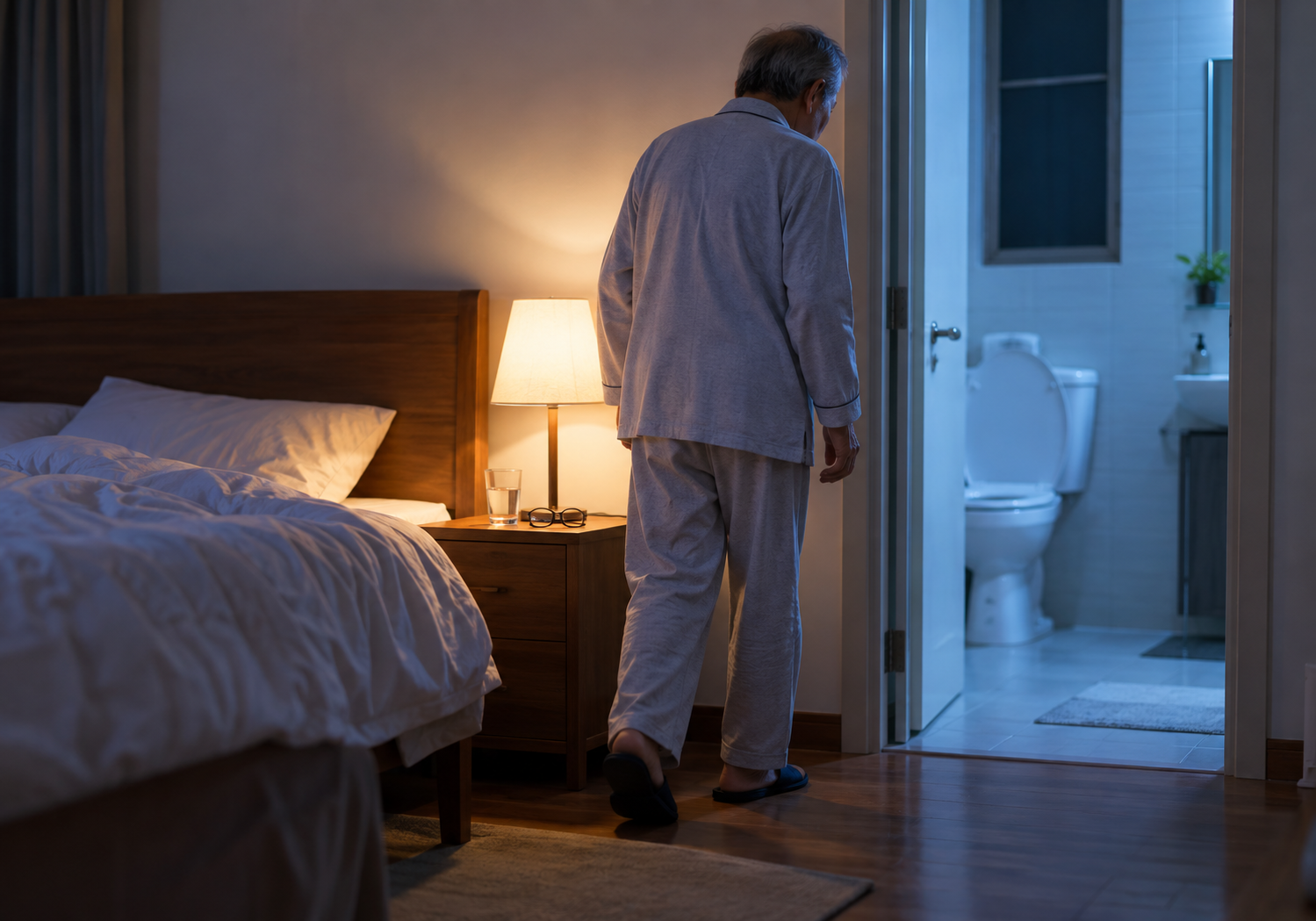
10. Consider Sleep Apnea if You Snore Loudly
Obstructive sleep apnea occurs when the upper airway repeatedly narrows or becomes blocked during sleep, interrupting normal breathing.
It can cause loud snoring, pauses in breathing, gasping, morning headaches, difficulty concentrating, and excessive daytime sleepiness.
It can also contribute to nighttime urination.
During episodes of obstructed breathing, pressure changes in the chest and other physiological responses can influence hormones involved in fluid regulation. This may increase nighttime urine production in some people.
If you frequently wake to urinate and also snore loudly, wake up gasping, or feel exhausted despite spending enough time in bed, consider asking a healthcare professional whether a sleep evaluation is appropriate.
A home sleep apnea test or an overnight sleep study may be recommended depending on your symptoms and medical history.
Treatment varies according to the individual but may include positive airway pressure therapy, an oral appliance, or other interventions.
Simply drinking less water is unlikely to address nocturia caused primarily by untreated sleep apnea.