Snakes entering homes is not just a frightening experience—it can be a serious safety risk, especially for families with children or pets. While snakes generally avoid humans, changes in weather, food sources, and shelter availability can drive them closer to residential areas.
The good news is that most snake encounters are preventable. By understanding why snakes come near houses and taking simple preventive measures, you can significantly reduce the risk.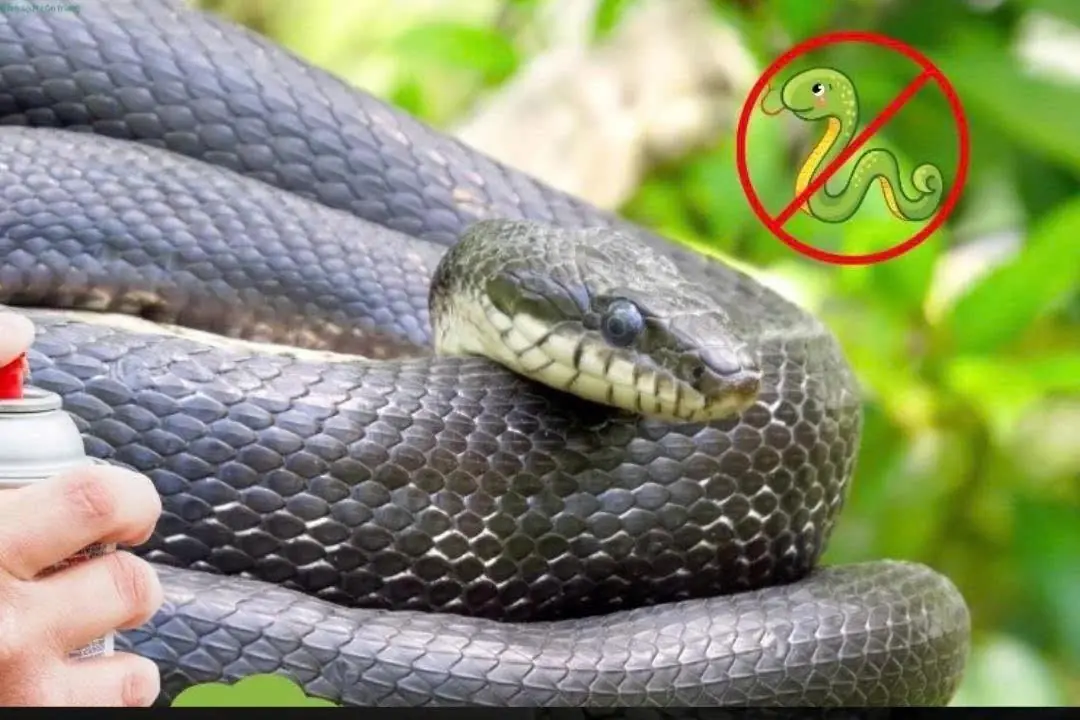
Why Snakes Are Attracted to Houses
Snakes do not enter homes randomly. They are usually searching for three basic things:
-
Food (rats, mice, frogs, insects)
-
Shelter (cool, dark, quiet spaces)
-
Water
Homes that unknowingly provide these conditions are more likely to attract snakes.
1. Eliminate Food Sources Around Your Home
The most effective way to keep snakes away is to remove what attracts them in the first place.
Why this works
Snakes follow their prey. If your home has rodents or insects, snakes may come looking for an easy meal.
What you should do
-
Keep your home clean and clutter-free
-
Store food in sealed containers
-
Dispose of garbage properly and regularly
-
Control rodents using traps or professional pest services
-
Reduce insects by fixing lights that attract bugs at night
No prey means no reason for snakes to stay.
2. Seal Entry Points and Remove Hiding Spots
Snakes can enter through very small openings, often unnoticed.
Common entry points
-
Cracks in walls or foundations
-
Gaps under doors
-
Open drains or vents
-
Broken window screens
How to protect your home
-
Seal cracks and holes with cement or sealant
-
Install door sweeps on all exterior doors
-
Cover vents and drains with fine mesh
-
Repair broken windows or screens promptly
Remove hiding places
-
Clear piles of wood, bricks, or debris
-
Trim tall grass and bushes near the house
-
Avoid leaving clutter in yards or garages
Snakes prefer areas where they can hide undisturbed. An open, clean environment discourages them.
3. Use Natural Snake Repellents and Environmental Deterrents
While no repellent works 100%, certain natural methods can reduce snake activity around your home.
Common natural deterrents
-
Strong-smelling substances (such as garlic-based solutions)
-
Vinegar around entry points
-
Sulfur-based garden products (used carefully)
These substances may irritate snakes’ sensitive sense of smell, making the area less appealing.
Environmental deterrents
-
Keep outdoor areas well-lit at night
-
Remove standing water
-
Avoid overwatering gardens
Snakes prefer quiet, dark, and damp places. Bright and dry environments are less attractive to them.
What NOT to Do When Preventing Snakes
Many people unknowingly increase risk by using unsafe methods.
Avoid:
-
Attempting to kill or trap snakes yourself
-
Using unverified chemical repellents
-
Leaving dead rodents exposed
-
Ignoring early warning signs (shed snake skins, unusual animal activity)
If you encounter a snake indoors, keep your distance and contact professional wildlife control.
Extra Precautions for Families With Children and Pets
Children and pets are more vulnerable to snake bites.
Safety tips
-
Teach children not to touch unknown animals
-
Keep pets indoors at night
-
Check yards before letting children play
-
Wear shoes when walking outside at night
Prevention is far safer than reaction.
When Are Snakes Most Likely to Enter Homes?
Snakes are more active:
-
During hot weather
-
After heavy rains or floods
-
In breeding seasons
-
When their natural habitats are disturbed
Extra caution during these times is strongly recommended.
Do Snakes Always Mean Danger?
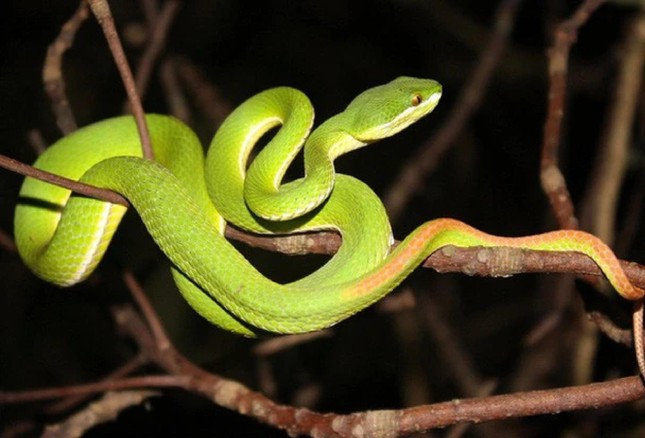
Not all snakes are venomous, and most will avoid humans if given the chance. However, it is impossible to identify a snake’s danger level instantly, especially in stressful situations.
That is why prevention is the best strategy.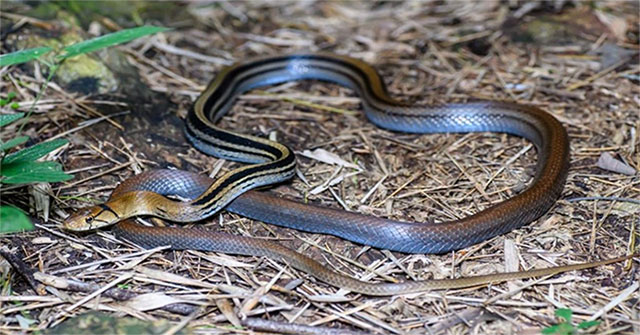
Final Thoughts
Snakes do not invade homes out of aggression—they are responding to environmental conditions. By removing food sources, sealing entry points, and maintaining a clean and open environment, you dramatically reduce the chances of unwanted encounters.
Protecting your family does not require fear—only awareness and preparation.
Small, consistent actions around your home can create a space that snakes simply choose to avoid.