But that familiar bathroom essential is facing a growing challenge.
As concerns about water consumption, deforestation, waste production, hygiene, and household expenses become more prominent, people are beginning to reconsider whether disposable toilet paper should remain the default option for personal hygiene.
In some countries, alternatives have been common for decades. Bidets, handheld washing sprays, and water-based toilet systems are already part of everyday life in millions of households. Meanwhile, newer products are attempting to make reusable and environmentally friendly bathroom routines more convenient.
This does not mean toilet paper will suddenly disappear from supermarket shelves. It remains inexpensive, widely available, convenient, and deeply integrated into modern lifestyles. However, the way people clean themselves after using the toilet may gradually change.
From bidets and smart toilets to reusable cloths and innovative paper products, several alternatives are competing to become the next generation of bathroom essentials.
Here is what could replace traditional toilet paper, why these alternatives are attracting attention, and what consumers should know before making the switch.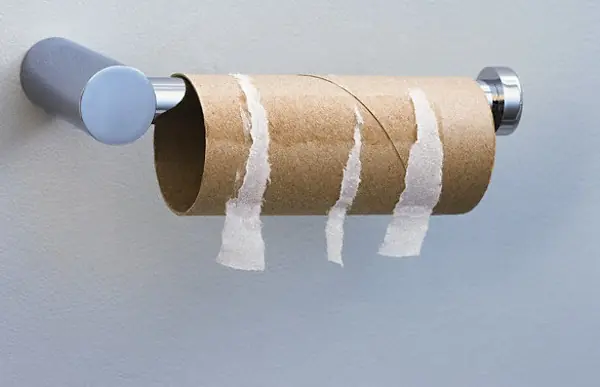
Why People Are Starting to Rethink Toilet Paper
Toilet paper seems like a simple product, but its production involves a surprisingly large supply chain.
Traditional toilet paper is generally made from wood pulp, recycled paper, or a combination of different fibers. Producing it requires raw materials, energy, water, manufacturing equipment, packaging, and transportation.
The environmental impact varies considerably depending on how the product is manufactured.
Some brands use virgin wood pulp from managed forests, while others rely on recycled materials. Manufacturing processes, energy sources, transportation distances, and packaging also influence the overall environmental footprint.
For consumers, the biggest concern is often the amount of disposable paper used over time.
A household may purchase toilet paper repeatedly throughout the year, and most of it is used once before being discarded. Across millions of households, this creates a substantial demand for raw materials and manufacturing resources.
Another issue is that some people use more paper than necessary because they believe it is the only practical option.
However, toilet paper is not the only way to maintain personal hygiene.
In many parts of the world, washing with water is already the preferred method. This approach is particularly common in countries where bidets or handheld toilet sprays are standard bathroom fixtures.
As awareness of these alternatives grows, consumers are beginning to ask an important question: If water can clean effectively, why should disposable paper remain the only option?
1. Bidets: One of the Most Established Alternatives
One of the strongest candidates to reduce toilet paper consumption is the bidet.
Unlike disposable paper, which removes residue through physical wiping, a bidet uses a controlled stream of water to clean the body.
Bidets have existed in various forms for centuries and are particularly familiar in countries such as Japan, Italy, Portugal, and parts of the Middle East and Asia.
There are several different types.
Traditional standalone bidets resemble small bathroom fixtures positioned near the toilet. Users move from the toilet to the bidet after using the bathroom.
Modern bidet attachments, however, are designed to fit directly onto existing toilets. They are often more convenient because users do not need to move between fixtures.
A typical bidet attachment may include:
-
A water nozzle.
-
Adjustable water pressure.
-
Temperature controls on certain models.
-
Different spray settings.
-
A retractable nozzle for improved hygiene.
The main advantage is that water can remove residue without requiring repeated wiping.
Many users find this method more comfortable, especially when dealing with sensitive skin or irritation caused by frequent wiping.
Bidets may also reduce the amount of toilet paper a household purchases.
However, they do not necessarily eliminate paper use completely. Some people still prefer a small amount of toilet paper to dry themselves afterward.
Installation costs vary depending on the product. Basic attachments can be relatively inexpensive, while advanced electronic bidet seats may require a larger investment and access to an electrical outlet.
For many households, a bidet attachment represents one of the easiest ways to begin reducing dependence on traditional toilet paper.
2. Handheld Bidet Sprays: A Simple Solution Already Used Worldwide
Another alternative is the handheld bidet spray, sometimes called a toilet shower or health faucet.