There are several reasons.
First, it is convenient.
Consumers can purchase it almost anywhere, store it easily, and use it without installing additional equipment.
Second, it is relatively affordable.
A basic package of toilet paper costs far less than installing a sophisticated smart toilet or renovating a bathroom to accommodate a traditional bidet.
Third, many public restrooms are designed around toilet paper.
Replacing the existing system would require changes to bathroom infrastructure, cleaning procedures, and consumer expectations.
Fourth, personal preferences vary.
Some people prefer washing with water, while others are comfortable with paper. Some households may choose a combination of both.
Finally, alternatives have their own limitations.
Bidets require water connections, smart toilets can be expensive, and reusable cloths require careful washing and storage.
For these reasons, the most likely future is not the complete disappearance of toilet paper.
Instead, consumers may gradually use less of it as water-based cleaning systems become more common.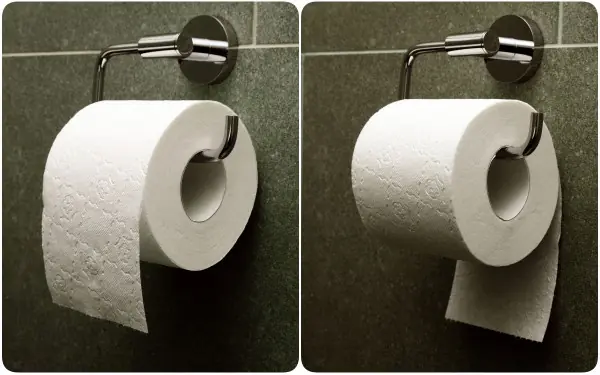
What Should You Choose for Your Own Bathroom?
The best alternative depends on your household, budget, bathroom layout, and personal preferences.
If you want the simplest and least expensive change, a handheld bidet spray may be a practical starting point.
If you want a more automated experience, a bidet toilet seat may be worth considering.
If you prefer disposable products, recycled or responsibly sourced alternative-fiber toilet paper may suit your needs.
If reducing waste is your highest priority and you are comfortable managing laundry, reusable cloths may be another option.
Here is a simple comparison:
| Alternative | Main advantage | Main consideration |
|---|---|---|
| Handheld bidet spray | Affordable and easy to install | Requires careful installation and cleaning |
| Bidet attachment | Convenient water-based cleaning | May require plumbing adjustments |
| Smart toilet | Automated cleaning and drying | Higher purchase and maintenance costs |
| Reusable cloths | Can reduce disposable waste | Requires careful washing and storage |
| Bamboo toilet paper | Alternative plant-based fiber | Environmental impact varies by manufacturer |
| Recycled toilet paper | Uses recovered paper fibers | Quality and production methods vary |
| Water plus minimal paper | Easy transition from current habits | Still requires some disposable paper |
There is no need to change everything immediately.
A household can start by installing a basic spray, reducing paper use, and observing whether the new routine is comfortable.
Small changes can make a meaningful difference over time.
The Future of Bathroom Hygiene
The future of personal hygiene may look very different from the bathrooms many people grew up using.
Smart toilets are becoming more sophisticated. Bidet attachments are becoming easier to install. Portable washing devices are making water-based cleaning more convenient outside the home.
At the same time, manufacturers are experimenting with alternative fibers, recycled materials, and packaging designed to reduce waste.
These developments reflect a broader shift in consumer expectations.
People increasingly want products that are convenient, comfortable, affordable, and less wasteful.
Bathrooms are also becoming more technologically advanced. Features once considered luxuries, such as heated seats, automatic flushing, and adjustable washing systems, are now available across a wider range of products.
As prices change and awareness increases, more households may consider upgrading their existing toilets.
However, the future will probably involve several competing solutions rather than one product replacing everything.
Some people will continue using traditional toilet paper. Others will switch to bidets. Many will combine water and paper, while environmentally conscious households may experiment with reusable materials.
The transition is likely to be gradual and influenced by local infrastructure, consumer habits, and product availability.
Final Thoughts: Is It Time to Say Goodbye to Traditional Toilet Paper?
Toilet paper has been a familiar part of everyday life for generations, but familiarity does not mean it is the only possible solution.
Bidets, handheld toilet sprays, smart toilets, reusable cloths, bamboo paper, and recycled toilet paper all demonstrate that personal hygiene can be approached in different ways.
Some alternatives prioritize water-based cleaning. Others focus on reducing disposable waste or making existing paper products more sustainable.
Each option has advantages and limitations, and the right choice depends on individual needs.
For many households, the easiest change may simply be installing a handheld bidet spray and using less toilet paper than before.
For others, a modern bidet seat or a recycled paper product may be a better fit.
Traditional toilet paper is not about to vanish from every bathroom, but the growing popularity of alternatives suggests that its role may gradually change.
The next time you reach for a roll of toilet paper, remember that the future of bathroom hygiene may involve much more than paper.