Are you experiencing cramps, swelling, fatigue, or discomfort in your legs and feet? Poor circulation in the lower limbs isn’t just uncomfortable — it can be a warning sign of underlying vascular issues like edema, varicose veins, and venous insufficiency.
The good news? Your diet plays a major role in improving blood flow and supporting your cardiovascular system.
In today’s video, we’re diving into 10 powerful foods that naturally boost circulation in your legs, ankles, and feet. Make sure you watch until the end — we’ll reveal a spice with incredible artery-supporting benefits that you’ll want to start eating every day.
10. Potassium-Rich Foods
Why it matters:
Potassium is a key mineral for vascular health. It helps relax blood vessels, improving blood flow to your limbs and reducing discomfort like pain and fatigue. It also helps regulate blood pressure by balancing the effects of sodium.
What to eat:
Include potassium-rich foods like bananas, potatoes, tomatoes, broccoli, beans, and legumes in your daily meals. Most Western diets are too high in sodium and too low in potassium — correcting this imbalance can do wonders for circulation.
9. Vitamin D Sources
:strip_icc()/vitamin-d-foods-edit-626c0fc968b642d9a1c2935a10cb1e9e.jpg)
Why it matters:
Vitamin D is not only essential for bones, but also plays a vasoactive role, meaning it influences the tone and function of your blood vessels. It has strong anti-inflammatory properties that help protect the vascular system from damage.
A 2014 study published in Circulation found that supplementing with 4,000 IU of vitamin D3 daily helped regenerate blood vessels.
What to do:
Get 5 to 15 minutes of sunlight daily to boost natural vitamin D production. You can also get vitamin D from foods like eggs, milk, and fatty fish, or supplements. For enhanced benefits, pair vitamin D3 with vitamin K2, which helps keep calcium out of your arteries and in your bones — right where it belongs.
8. Fatty Fish (Omega-3 Sources)
Why it matters:
Omega-3 fatty acids, found abundantly in fatty fish, have anti-inflammatory and vasodilating properties. They protect blood vessels, lower blood pressure, and improve blood flow by relaxing vascular muscle tissue.
What to eat:
Include salmon, mackerel, sardines, tuna, or sablefish in your diet 2–3 times per week. Plant-based options like chia seeds, flaxseeds, and walnuts contain ALA (a form of omega-3), but fish-based EPA and DHA are the most bioavailable.
Tip: Aim for 1,000 mg of omega-3s daily for optimal cardiovascular support.
7. Grapes and Red Wine
Why it matters:
Grapes are rich in polyphenols, especially resveratrol, which reduce blood pressure, improve vessel elasticity, and reduce “bad” LDL cholesterol. This supports open, flexible blood vessels and improved circulation.
A 2004 study in BioFactors showed that grape supplementation significantly reduced blood pressure in hypertensive individuals.
What to do:
Eat a handful of red or black grapes daily. If you drink alcohol, a small glass of red wine (3–5 oz) a few times a week may also offer benefits — but moderation is key.
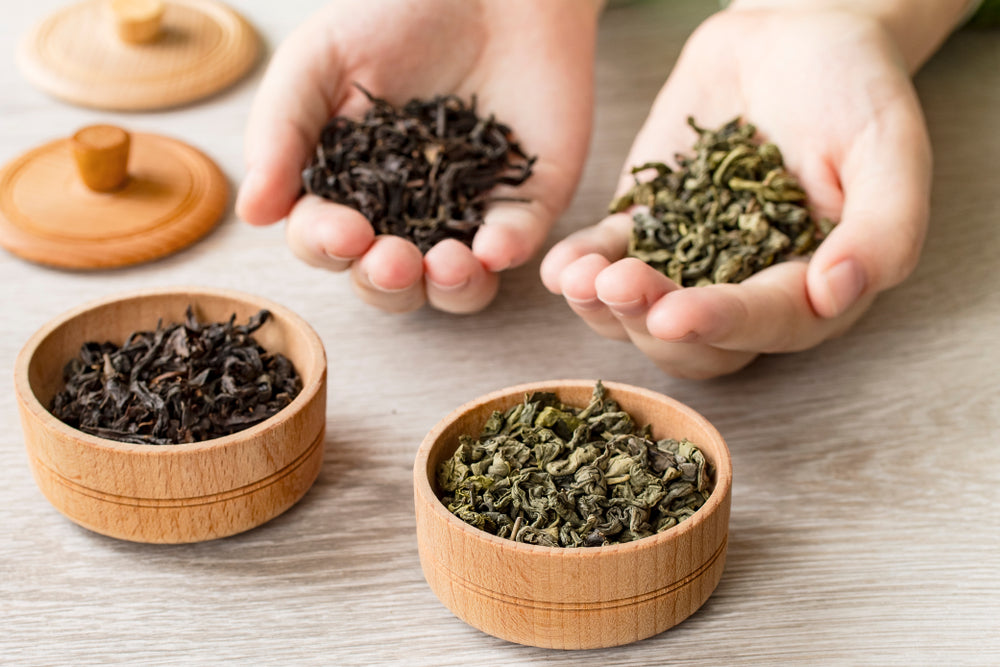
6. Tea (Green & Black)
Why it matters:
Green and black tea are packed with catechins, a type of antioxidant that promotes nitric oxide production, which widens blood vessels and improves blood flow.
A 2021 study in Nutrients found that green tea catechins improved leg blood flow and decreased vascular resistance.
What to drink:
Enjoy 1–3 cups of green or black tea daily. Other catechin-rich foods include strawberries, apples, cherries, and red wine.
5. Cacao & Dark Chocolate
Why it matters:
Cacao is another great source of catechins and flavonoids. It has been shown to lower blood pressure, improve arterial function, and even support circulation in individuals with cardiovascular disease.
What to eat:
Choose dark chocolate with 70% or higher cacao content, or add raw cacao powder to smoothies and oatmeal. Avoid overly processed chocolate with added sugars and dairy.
4. Garlic (L-Arginine Source)
Why it matters:
Garlic contains L-arginine, an amino acid that supports nitric oxide synthesis, helping blood vessels relax and increasing circulation. It also helps manage cholesterol and prevents lipid buildup in arteries.
A 2004 study published in The Journal of Nutritional Biochemistry showed that garlic supplements increased blood flow to the legs.
What to eat:
Use raw or cooked garlic in meals, or try garlic capsules if the taste is too strong. Other sources of L-arginine include red meat, fish, and eggs.
3. Green Leafy Vegetables
Why it matters:
Leafy greens like spinach, kale, and lettuce are high in nitrates, which convert to nitric oxide in the body — a compound that helps blood vessels dilate and improves venous return.
What to eat:
Aim for at least 8 ounces of vegetables daily. Greens are also rich in fiber, which lowers cholesterol and prevents plaque buildup.
Bonus: Leafy greens support the venous system, helping prevent swelling, leg fatigue, and conditions like varicose veins.
2. Cayenne Pepper (Capsaicin)
Why it matters:
Cayenne pepper stimulates blood circulation, especially in the limbs. Its key compound, capsaicin, boosts nitric oxide activity, improving blood flow, lowering blood pressure, and addressing cholesterol imbalances.
How to use:
Sprinkle cayenne pepper in soups, smoothies, or over roasted vegetables. If the spice is too strong, try a capsule supplement with capsaicin extract.
1. Vitamin C
Why it matters:
Vitamin C is a potent antioxidant that protects blood vessels from oxidative stress and inflammation — key causes of circulatory issues in the legs and feet.
A 2001 study in Circulation found that patients with Peripheral Artery Disease (PAD) had significantly lower vitamin C levels than healthy individuals. PAD impairs circulation in the legs and may cause pain, fatigue, and leg cramping.
What to eat:
Get vitamin C from fresh fruits like oranges, kiwi, strawberries, tomatoes, and bell peppers. Consistent intake helps maintain strong, elastic blood vessels and supports tissue healing.
Final Thoughts
Your cardiovascular system — including the heart, arteries, and veins — thrives on proper nutrition. When it's healthy, your body can send oxygen and nutrients efficiently to your legs, feet, and every organ.
While mild circulatory issues like varicose veins or swelling are usually not life-threatening, persistent edema in the lower legs could be a sign of more serious problems like heart failure.
✔️ Support your legs and overall health by:
-
Staying active
-
Maintaining a healthy weight
-
Drinking plenty of water
-
Avoiding smoking and excessive alcohol
-
And, of course, eating these circulation-boosting foods
Your legs carry you every day — give them the support they deserve.