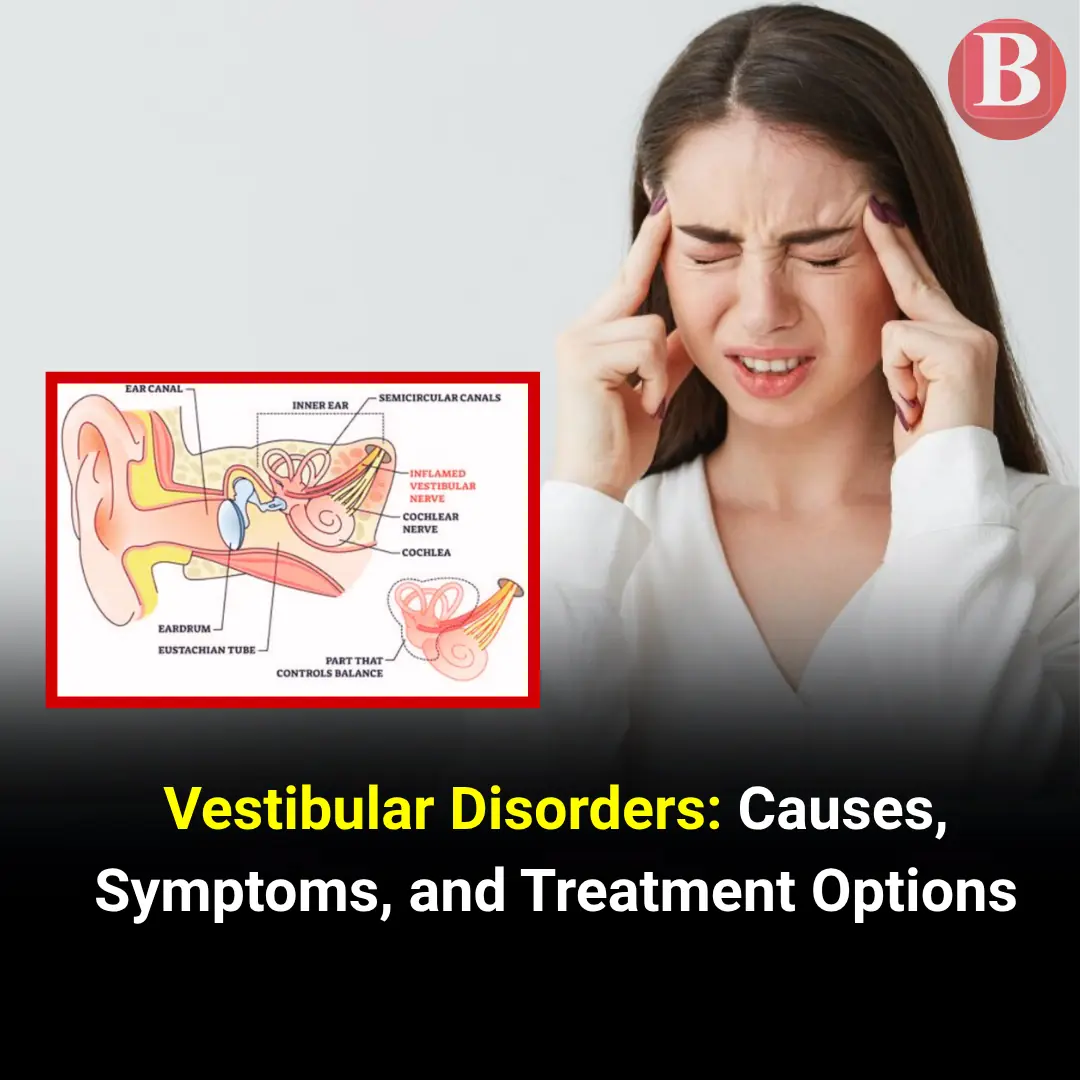
When your world spins out of control—literally—it’s not just disorienting; it can be debilitating. Vestibular disorders affect millions of people, often leaving them dizzy, unbalanced, and struggling to manage daily life. But here’s the good news: with the right diagnosis and treatment plan, you can regain stability and restore your quality of life.
Whether it’s vestibular dysfunction or a more complex neurological condition, physical therapy has emerged as a crucial tool in managing and treating vestibular disorders.
In this blog, we’ll explore the core causes, symptoms, and treatment options for vestibular disorders, with a focus on how vestibular physical therapy can be a game-changer. We’ll make sure that by the end, you’ll have a comprehensive understanding of how to tackle these issues head-on.
What Are Vestibular Disorders?
The vestibular system, located in your inner ear, is responsible for maintaining your balance, stability, and spatial orientation. When something goes wrong in this system, the result is often dizziness, vertigo, and balance issues, which are hallmark symptoms of vestibular disorders. These conditions affect more people than you might realize; some studies suggest that up to 35% of adults over the age of 40 have experienced some form of vestibular dysfunction.
Despite being so common, vestibular disorders are often misunderstood or misdiagnosed, leaving patients struggling to find relief.
Vestibular disorders can arise from various causes:
- Inner Ear Infections or Inflammation (labyrinthitis or vestibular neuritis): These infections are typically viral and can cause sudden, severe dizziness.
- Benign Paroxysmal Positional Vertigo (BPPV) is one of the most common vestibular disorders. It is caused by small calcium crystals becoming dislodged and floating in the inner ear. The result is sudden, intense bouts of vertigo, often triggered by head movements.
- Ménière’s Disease: This is a chronic inner ear disorder that leads to recurring vertigo, hearing loss, and a feeling of pressure in the ear. Ménière’s is thought to be caused by fluid buildup in the ear, though the exact cause is not always clear.
- Head Injuries or Concussions: Trauma to the head can damage the vestibular system and lead to long-term balance problems.
- Aging: As we get older, the cells in our inner ear responsible for balance can naturally degrade, leading to age-related vestibular disorders.
- Autoimmune Inner Ear Disease: In some cases, the immune system mistakenly attacks the inner ear, causing vestibular dysfunction.
The impact of vestibular dysfunction can range from mild disorientation to severe imbalance and falls, leading to anxiety, depression, and social withdrawal if untreated.
Symptoms of Vestibular Dysfunction

Vestibular dysfunction manifests in a variety of symptoms, some of which may come and go, while others are constant. The severity and combination of symptoms often depend on the underlying cause and the individual’s response to the disorder.
Here are some common symptoms:
- Vertigo: Vertigo is the sensation of spinning, even when you’re still. It’s often described as feeling like the room is moving around you. This is the most recognizable symptom of vestibular disorders.
- Dizziness: This can range from a mild lightheadedness to more severe sensations of unsteadiness. Unlike vertigo, dizziness is often more generalized and doesn’t involve the spinning sensation.
- Visual Disturbances: Many people with vestibular disorders find it hard to focus on objects, especially when moving their heads. This can lead to blurred vision or a feeling of being out of sync with the environment.
- Imbalance and Falls: The vestibular system plays a key role in maintaining balance. When it’s impaired, you may find it difficult to stand, walk, or even sit upright without feeling off-balance. This can lead to frequent stumbling or falls.
- Nausea and Vomiting: Constant dizziness and imbalance can trigger feelings of nausea and, in severe cases, vomiting.
- Tinnitus: Many disorders are linked to ringing in the ears, a condition known as tinnitus. This can range from mild to highly disruptive.
- Feeling of Fullness or Pressure in the Ear: Especially in cases like Ménière’s disease, patients may experience a sensation of fullness or pressure in one or both ears.
- Difficulty with Concentration or Cognitive Fatigue: The constant battle to maintain balance and focus can leave those with vestibular dysfunction feeling mentally drained, leading to difficulties with concentration or even memory problems.
Because these symptoms can mimic other medical conditions, vestibular disorders are often overlooked or mistaken for migraines, anxiety, or neurological disorders. That’s why an accurate diagnosis is crucial for effective treatment.
The Role of Vestibular Physical Therapy
One of the most effective long-term treatments for vestibular disorders is physical therapy. This specialized form of therapy is designed to retrain your brain to compensate for inner ear dysfunction, helping you regain balance and spatial orientation.
What Does Vestibular Physical Therapy Involve?
Vestibular physical therapy consists of individualized exercises aimed at alleviating symptoms and improving function. These exercises typically include:
- Gaze Stabilization: When the vestibular system is compromised, the brain struggles to coordinate eye movements. Gaze stabilization exercises help train the eyes to focus on objects clearly, even when your head is in motion. These exercises can be as simple as focusing on a stationary object while moving your head from side to side.
- Habituation Exercises: These are particularly helpful for patients whose symptoms are triggered by specific movements or environments. The goal is to gradually expose the patient to these triggers in a controlled manner so that the brain can become less sensitive to them over time.
- Balance Training: As balance is one of the key functions of the vestibular system, improving overall balance is a major component of vestibular physical therapy. Exercises may include standing on uneven surfaces, walking heel to toe, or using balance boards.
- Canalith Repositioning Maneuvers: For patients with BPPV, specialized maneuvers, such as the Epley maneuver, are used to reposition dislodged crystals in the inner ear, often providing immediate relief from vertigo.
Patients often experience significant improvements within weeks of starting vestibular physical therapy. Many report a reduction in dizziness, better balance, and less fear of falling, which is a common psychological effect of vestibular disorders.
Physical Therapy for Neurological Disorders
For those dealing with more complex neurological issues that affect balance and coordination, vestibular physical therapy can still provide significant relief. Physical therapy for neurological disorders often overlaps with vestibular therapy and includes a combination of balance, strength, and mobility exercises to help restore function.
Patients who have experienced strokes, traumatic brain injuries, or degenerative conditions like Parkinson’s disease often suffer from balance-related issues. A specialized physical therapy program designed for neurological disorders can improve motor skills, enhance balance, and provide tools for managing daily activities.
In cases of neurological dysfunction, physical therapists take a holistic approach, addressing not just the vestibular symptoms but also other areas of motor function. For example, someone recovering from a stroke may work on gait training and muscle strengthening alongside balance exercises.
By incorporating vestibular physical therapy into a broader neurological rehabilitation plan, patients often see improved mobility, greater independence, and a higher quality of life.
Regain Balance and Confidence with Synergy Rehab
At Synergy Rehab in Southfield, Michigan, we understand how disruptive vestibular disorders can be to your daily life. Our experienced physical therapists are equipped to provide tailored vestibular physical therapy programs designed to target your specific symptoms, restore your balance, and get you back on your feet—literally. Whether you’re dealing with vestibular dysfunction or a neurological condition, we have the expertise to guide your recovery journey.
Schedule your consultation today at Synergy Rehab and take the first step towards regaining your balance and improving your quality of life.