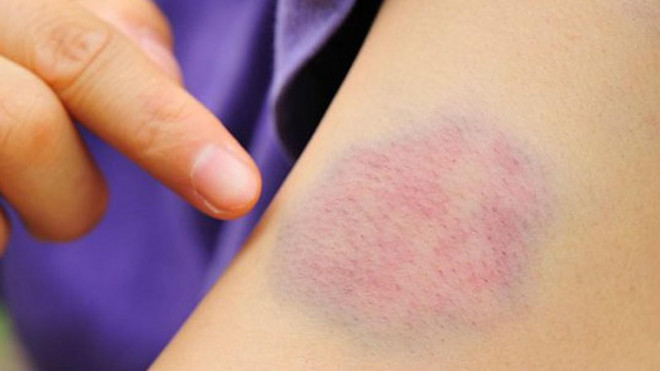
Finding a bruise on your body without knowing how it got there can feel unsettling. Most people assume bruises come from bumping into something, exercising too hard, or minor accidents they simply forgot about. But when bruises appear frequently, take a long time to heal, or show up in unusual places, they may be signaling an underlying health issue that should not be ignored.
Bruises form when small blood vessels beneath the skin break, allowing blood to leak into the surrounding tissues. While simple injuries can cause this, unexplained bruising can sometimes reveal deeper problems related to circulation, immunity, nutrient deficiencies, or even chronic diseases. Understanding the possible causes helps you know when to relax and when it’s time to seek medical advice.
Here are some common - and more serious - reasons your body may be bruising unexpectedly.
1. Vitamin Deficiencies
One of the leading causes of unexplained bruising is a deficiency in key vitamins that support healthy blood clotting and strong blood vessels.
Vitamin C deficiency weakens blood vessel walls, making them prone to breaking even with slight pressure.
Vitamin K deficiency affects the blood’s ability to form clots, causing prolonged bleeding and easier bruising.
Low levels of vitamin B12 or folate can also impact blood health, leading to anemia and fragile tissues.
Signs you may have a deficiency:
-
Frequent bruising on arms or legs
-
Slow wound healing
-
Fatigue and weakness
-
Bleeding gums
Increasing intake through fruits, vegetables, supplements, or medical treatment can help restore normal clotting function.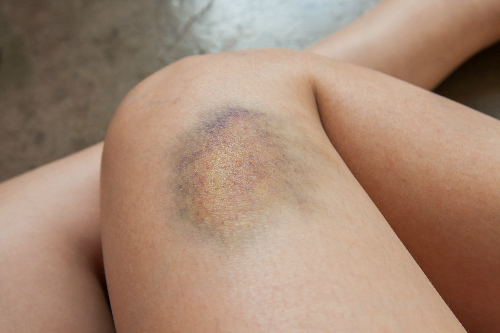
2. Aging and Thinning Skin
As people age, the skin naturally becomes thinner and loses fat layers that help cushion blood vessels. This makes older adults more prone to bruising even from the slightest bump. Additionally, blood vessels lose elasticity and become more fragile.
This condition, sometimes called senile purpura, is common and typically harmless but may surprise those who suddenly see bruises more often.
3. Medications That Affect Blood Clotting
Certain prescription or over-the-counter medications can increase bruising by affecting how blood clots.
Common culprits include:
-
Aspirin
-
Ibuprofen and other NSAIDs
-
Blood thinners like warfarin, heparin, and apixaban
-
Some antibiotics
-
Steroids
-
Chemotherapy drugs
If you notice more bruises after starting a new medication, talk to your doctor — the dosage may need adjusting.
4. Hormonal Changes
Hormonal fluctuations, especially in women, can make blood vessels more sensitive and prone to bruising.
Triggers include:
-
Pregnancy
-
Menopause
-
Birth control pills
-
PMS-related hormonal shifts
These bruises are usually mild but can still be alarming if they appear unexpectedly.
5. Liver Disease
The liver plays a critical role in producing proteins needed for blood clotting. When the liver is damaged — due to alcohol overuse, hepatitis, fatty liver disease, or other conditions - clotting proteins decrease, making bruising more likely.
Additional warning signs:
-
Jaundice (yellowing skin or eyes)
-
Swelling in the legs or abdomen
-
Chronic fatigue
-
Frequent nosebleeds
Unexplained bruising can sometimes be an early sign of liver dysfunction.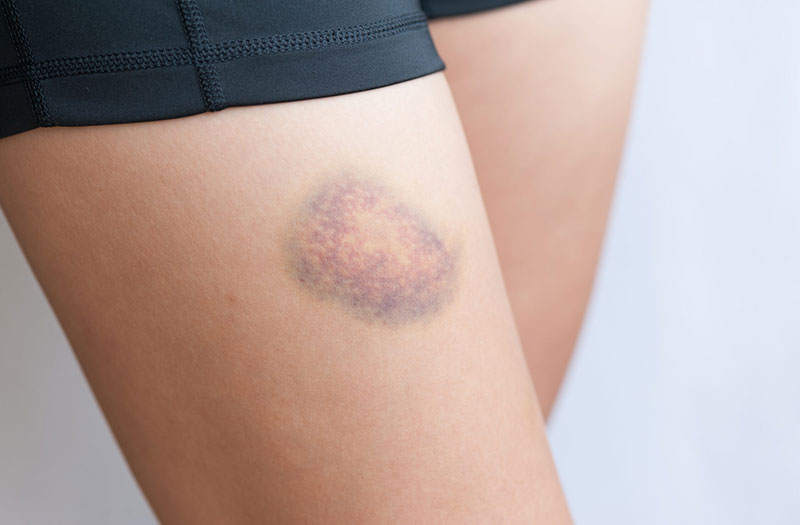
6. Blo.od and Platelet Disorders
Because platelets help stop bleeding, anything that reduces platelet count or function can cause sudden bruises.
Possible conditions include:
-
Thrombocytopenia (low platelet count)
-
Leukemia
-
Hemophilia
-
Von Willebrand disease
These disorders often cause:
-
Easy bruising with no clear cause
-
Tiny red or purple spots under the skin (petechiae)
-
Excessive bleeding from small wounds
-
Nosebleeds or bleeding gums
Persistent or severe symptoms require immediate medical evaluation.
7. Immune System Diseases
Autoimmune disorders like lupus or immune thrombocytopenic purpura (ITP) may cause the immune system to attack blood vessels or platelets, leading to frequent bruising.
People with autoimmune-related bruising may also experience:
-
Joint pain
-
Rashes
-
Extreme fatigue
-
Fever
An early diagnosis is crucial for proper management.
8. Excessive Alcohol Consumption
Heavy alcohol use can weaken the liver, lower vitamin absorption, and make blood vessels more fragile. These effects combine to increase the risk of unexplained bruising.
Additionally, alcohol may impair judgment, leading to unnoticed bumps or falls.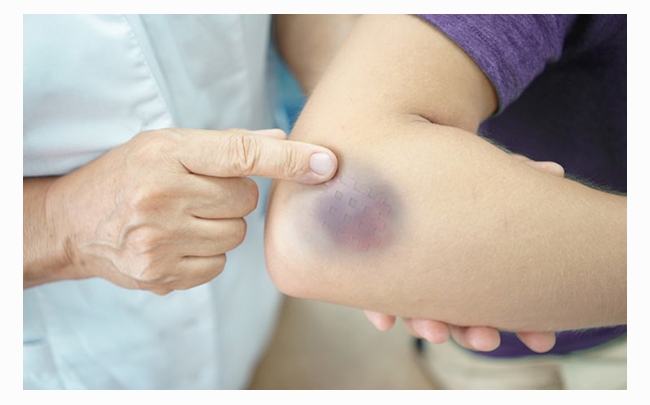
9. Intense Physical Activity
Athletes, weightlifters, or people who suddenly begin intense workouts may experience bruising due to broken tiny blood vessels during strain or muscle tears.
This type of bruising is harmless and usually heals quickly.
When Should You Worry? Warning Signs That Need Medical Attention
Most bruises are harmless, but certain symptoms indicate something more serious may be happening.
Seek medical advice if you notice:
-
Bruises that appear suddenly and frequently
-
Bruising without any remembered injury
-
Bruises that are unusually large or painful
-
Bruises in unexpected areas (back, abdominal area, face)
-
Bruises that take longer than normal to heal
-
Small red or purple pinpoint spots under the skin
-
Frequent nosebleeds or gum bleeding
-
Unexplained fatigue, dizziness, or weight loss
These symptoms could indicate a significant health condition requiring immediate evaluation.
How to Prevent Unexplained Bruising
While not all bruising can be avoided, these steps may help reduce risk:
-
Eat a balanced diet rich in vitamins C, K, and B-complex
-
Limit alcohol consumption
-
Be cautious with blood-thinning medications
-
Protect your skin from injury, especially as you age
-
Exercise regularly to improve circulation
-
Stay hydrated to support healthy blood vessels
-
Seek medical checkups if bruising becomes more frequent
Final Thoughts
Unexplained bruises can be harmless or a sign of something more serious. Your body often gives subtle signals when something isn’t right, and bruising is one of them. If the bruises are persistent, worsening, or accompanied by other symptoms, it’s important to consult a healthcare professional.
Understanding what your body is trying to tell you is the first step toward protecting your health. Staying aware, maintaining healthy habits, and seeking help when necessary can make all the difference.