-
Small pits or dents in the nail surface.
-
Thickening beneath the nail.
-
Yellowish or brownish discoloration.
-
Separation of the nail from the nail bed.
-
Crumbling or rough nail surfaces.
-
Irregular ridges or other surface changes.
Not everyone with psoriasis develops nail involvement, and nail symptoms can sometimes appear before obvious skin symptoms.
If nail changes occur alongside persistent scaly patches, scalp irritation, or unexplained joint discomfort, a dermatologist may be able to determine whether psoriasis is involved.
Eczema
Eczema can affect the skin around the nails and sometimes contribute to nail abnormalities.
Repeated inflammation, dryness, scratching, and irritation around the nail folds may interfere with normal nail growth.
People with hand eczema may notice rough cuticles, irritated skin, and nails that become more fragile or irregular.
Managing the underlying skin inflammation and protecting the hands from irritants can help reduce further damage.
Lichen Planus
Lichen planus is an inflammatory condition that can affect the skin, mouth, scalp, and nails.
When it affects the nail matrix, it may cause longitudinal ridging, thinning, splitting, and sometimes permanent nail damage.
In more severe cases, the nail plate may become progressively distorted.
Because nail lichen planus can cause lasting changes if not treated appropriately, unexplained progressive nail abnormalities should be assessed by a dermatologist.
7. Thyroid Disorders May Influence Nail Growth
The thyroid gland produces hormones that help regulate metabolism and influence many bodily functions.
When thyroid hormone levels become too low or too high, changes may occur in the skin, hair, and nails.
Hypothyroidism, in which the thyroid does not produce enough hormone, may be associated with slow nail growth, brittleness, and dryness.
Hyperthyroidism, in which the gland produces too much hormone, can also affect nail growth and may cause nail separation in some individuals.
Other possible symptoms of thyroid dysfunction include:
Hypothyroidism:
-
Persistent tiredness.
-
Increased sensitivity to cold.
-
Constipation.
-
Dry skin.
-
Hair thinning.
-
Unexplained weight gain.
-
Muscle aches.
Hyperthyroidism:
-
Rapid heartbeat.
-
Increased sweating.
-
Heat intolerance.
-
Unexplained weight loss.
-
Trembling hands.
-
Difficulty sleeping.
-
Increased anxiety.
Vertical ridges alone do not diagnose a thyroid condition.
However, if nail changes occur alongside several of these symptoms, a healthcare professional may recommend thyroid function tests.
Identifying and treating a thyroid disorder can improve many related symptoms, although nail recovery may take time because nails grow slowly.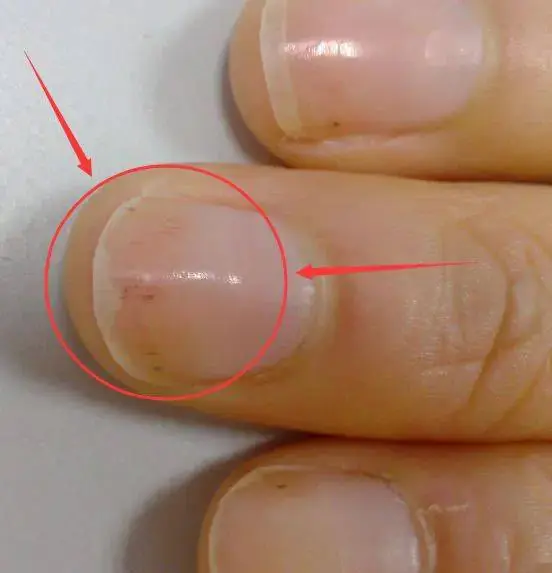
8. Circulation and Blood Flow Can Influence Nail Appearance
Healthy nail growth depends on normal function of the tissues surrounding the nail matrix.
Blood supplies oxygen and nutrients that support cell activity and tissue maintenance.
Conditions that significantly affect circulation may therefore influence nail health.
For example, peripheral artery disease reduces blood flow to certain parts of the body, particularly the legs and feet. It can contribute to slow wound healing, changes in skin temperature, and other tissue problems.
However, ordinary vertical fingernail ridges are not a recognized standalone sign of poor circulation.
Other signs of circulation problems may include:
-
Cold hands or feet.
-
Skin that appears unusually pale or bluish.
-
Pain in the legs during walking.
-
Slow-healing wounds.
-
Reduced hair growth on the lower legs.
-
Changes in the appearance of toenails.
If you notice these symptoms, especially if you have diabetes, high blood pressure, or a history of smoking, discuss them with a healthcare professional.
Do not attempt to diagnose circulation problems based on nail ridges alone.
9. Vertical Ridges May Become More Noticeable During Certain Medical Treatments
Some medications and medical treatments can affect nail growth.
Cancer treatments, particularly certain chemotherapy drugs and targeted therapies, are known to cause a variety of nail changes.
These may include:
-
Changes in nail color.
-
Increased brittleness.
-
Nail separation.
-
Inflammation around the nail.
-
Slower nail growth.
-
Surface irregularities.
Other medications may also influence nail health in different ways.
If nail changes begin after starting a new treatment, it is worth discussing them with the prescribing clinician.
Do not stop or adjust medication without medical guidance.
The timing of the change can be useful. Because fingernails grow gradually, a nail abnormality may reflect an event that occurred weeks or months earlier.
A healthcare professional can help determine whether a medication is likely to be involved.
10. Dehydration and Poor Skin Care Can Contribute to Brittle Nails
Hydration is important for normal body function, and severe dehydration can affect many tissues.
However, drinking more water is not a proven treatment for vertical nail ridges.
Nail brittleness and surface irregularities are often more closely associated with repeated exposure to water, detergents, solvents, and other environmental factors than with ordinary variations in daily water intake.
For example, someone who frequently washes their hands may experience cycles of nail swelling and drying.
Over time, this can contribute to splitting, peeling, and increased fragility.
The skin around the nails may also become dry and irritated.
A consistent nail-care routine can help protect the nail plate.
Try using hand cream after washing your hands, applying cuticle moisturizer, wearing gloves during cleaning tasks, and avoiding unnecessary exposure to harsh chemicals.
If nails remain unusually brittle despite these changes, other causes may need to be considered.
11. The Difference Between Vertical and Horizontal Nail Lines Matters
Not all nail lines mean the same thing.
One important distinction is whether the ridges run from the base of the nail toward the tip or across the nail from one side to the other.