If a ridge is caused by temporary trauma to the nail matrix, it may gradually move toward the fingertip as new nail grows.
If the underlying cause is addressed, the newly produced nail may appear smoother.
However, age-related ridges may remain visible indefinitely.
Changes caused by chronic inflammatory conditions or permanent damage to the nail matrix may also persist.
This is why identifying the cause matters more than simply trying to remove the visible lines.
Do not expect a topical product to eliminate ridges immediately. Nail appearance changes gradually as new nail tissue develops.
16. When Should You See a Doctor About Vertical Nail Ridges?
Most fine vertical ridges do not require medical treatment.
However, you should consider professional evaluation if you notice:
-
A sudden and unexplained change in nail texture.
-
Deep ridges that continue becoming more pronounced.
-
Changes affecting only one nail without an obvious explanation.
-
Nails that split, crumble, or become significantly thinner.
-
Persistent pain or swelling around the nail.
-
Redness, warmth, or discharge near the nail.
-
Changes in nail color.
-
A dark line that is new or changing.
-
Nail separation from the underlying nail bed.
-
Nail abnormalities accompanied by fatigue, weight changes, or other unexplained symptoms.
A doctor may examine the nail plate, nail folds, and surrounding skin.
They may also ask about your medical history, recent illnesses, medications, work activities, and nail-care habits.
If necessary, blood tests, fungal testing, dermoscopy, or other investigations may be recommended.
Not every person with vertical ridges needs extensive testing. The goal is to identify changes that suggest something more than ordinary aging or minor nail damage.
17. Why You Should Look at All Your Nails, Not Just One
One of the most useful ways to assess nail changes is to compare several fingernails.
If similar fine ridges appear gradually across multiple nails, this may be consistent with common age-related changes or general dryness.
If only one nail looks significantly different, local causes become more relevant.
For example, repeated trauma, a localized skin condition, or damage to the nail matrix may affect an individual nail.
The same principle applies to color changes.
A single nail with a new dark band deserves a different level of attention from several nails that have developed similar mild surface irregularities.
You should also examine your toenails when monitoring overall nail health.
Toenails may be affected by fungal infections, pressure from footwear, injuries, and circulation problems.
Although fingernails and toenails can provide useful clues, their appearance should always be interpreted alongside other symptoms and medical history.
18. Common Myths About Vertical Nail Ridges
Because nail changes are visible and easy to examine, many claims circulate online about what they supposedly reveal.
Some are based on real medical observations, while others are exaggerated or unsupported.
Myth 1: Vertical Ridges Always Mean You Are Aging
Aging is a common cause, but it is not the only one.
Dryness, repeated trauma, skin conditions, and other factors can contribute to nail ridges.
Myth 2: Vertical Ridges Mean You Have a Vitamin Deficiency
Not necessarily.
Ridges alone cannot identify a specific nutritional deficiency. Testing may be appropriate when other symptoms or risk factors are present.
Myth 3: Drinking More Water Will Remove Nail Ridges
Adequate hydration supports overall health, but there is no good evidence that increasing water intake alone will eliminate established vertical ridges.
Protecting the nail plate from repeated wetting, drying, and chemical exposure may be more relevant for people with brittle nails.
Myth 4: Nail Ridges Are Always a Sign of Poor Circulation
Ordinary vertical ridges are not a reliable diagnostic sign of circulation problems.
Other symptoms, such as cold extremities, pain during walking, and slow-healing wounds, deserve more attention.
Myth 5: You Can Permanently Remove Ridges by Buffing Your Nails
Buffing may temporarily smooth the surface, but it does not change the nail matrix.
Excessive buffing can thin and weaken the nail plate.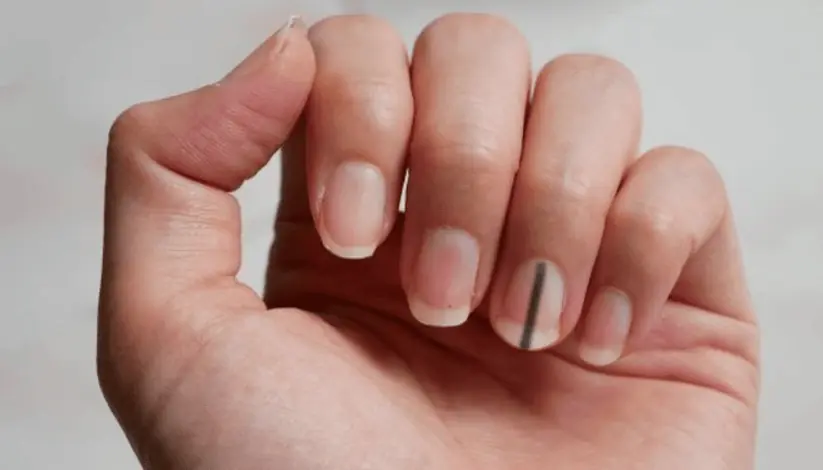
Final Thoughts: Your Nails Can Offer Clues, but Context Matters
Vertical ridges on your fingernails can be surprisingly noticeable, especially when they become more pronounced with age.
In many people, they are simply a normal feature of nail growth. Gradual changes in the nail matrix, dryness, and everyday wear can all contribute to the lines that appear along the nail surface.
However, nails can also be affected by repeated trauma, inflammatory skin conditions, thyroid disorders, nutritional problems, and certain medical treatments.
The important thing is to recognize the difference between ordinary ridges and changes that deserve closer attention.
Look at the overall condition of your nails. Notice whether the lines affect several fingers or only one. Pay attention to new discoloration, splitting, pain, swelling, or changes in the surrounding skin.
A balanced diet, gentle nail care, adequate protection from chemicals, and regular moisturizing can help maintain healthy nails.
Most importantly, avoid diagnosing yourself based on a single visible sign. Vertical ridges do not automatically mean that something is wrong with your health, and they cannot reveal a specific disease without further assessment.
If a nail changes suddenly, develops a new dark band, becomes painful, or shows progressive distortion, consult a healthcare professional.
Your nails are not a complete health report, but paying attention to changes in their appearance can help you recognize when something deserves a closer look.