Waking up and noticing a wet spot on your pillow can be embarrassing, especially if it happens regularly. You may immediately wonder whether you're producing too much saliva or whether the drooling is a sign that something is wrong.
In many cases, however, drooling during sleep is completely normal.
Your body continues producing saliva while you sleep. At the same time, you swallow less frequently, the muscles around your mouth relax, and your sleeping position can allow saliva to escape. If your mouth remains slightly open, that saliva may eventually end up on your pillow.
The more interesting question is not necessarily, “Why am I making so much saliva?”
It may be:
“Why does saliva escape from my mouth while I'm asleep?”
Several everyday sleep habits and breathing patterns can contribute. Sleeping on your side, sleeping on your stomach, breathing through your mouth, having a blocked nose, and snoring can all play a role.
Occasional drooling usually isn't something to worry about. But if it is new, persistent, or accompanied by symptoms such as loud snoring, choking, gasping, difficulty swallowing, or significant daytime sleepiness, it deserves more attention.
Here's what your wet pillow may be telling you.
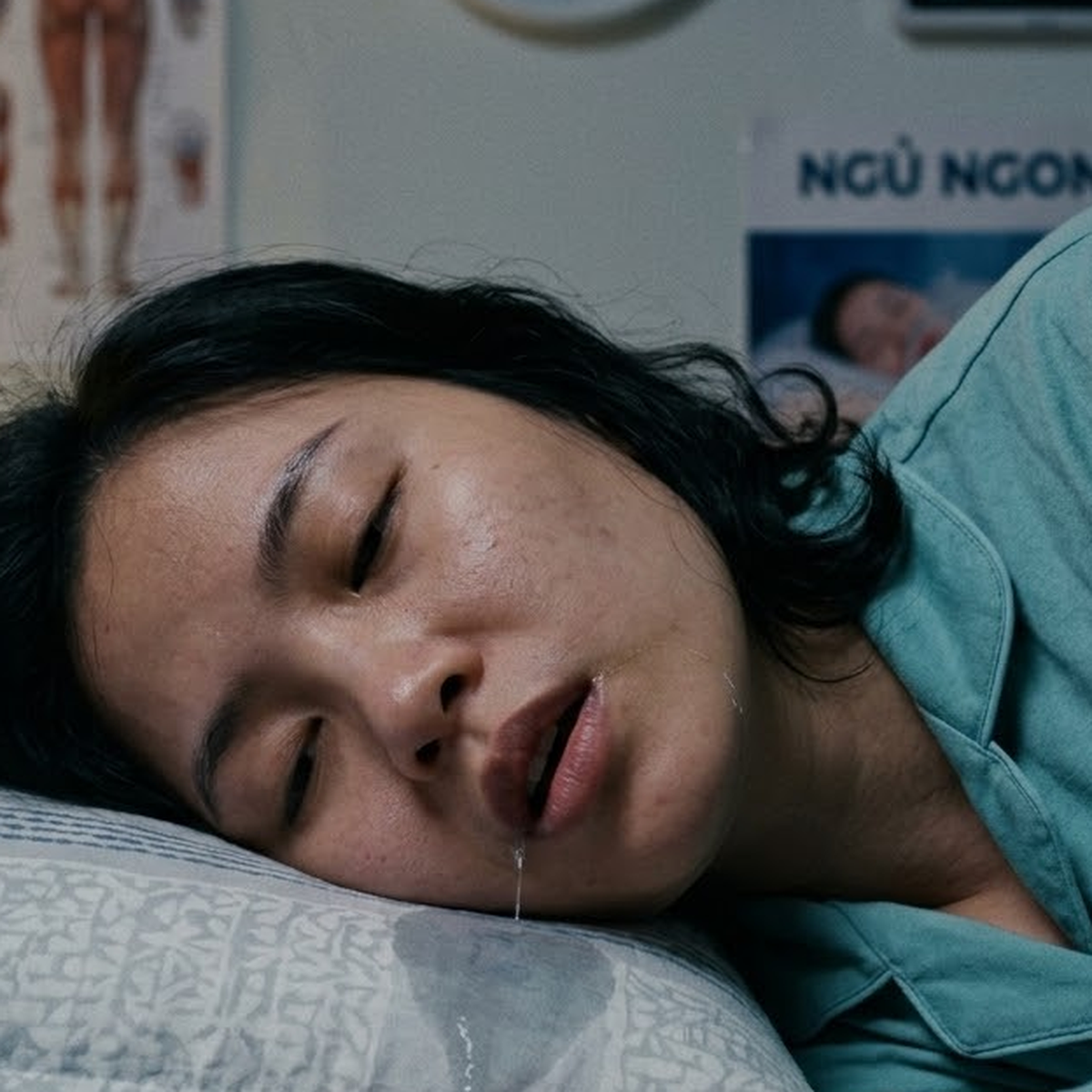
1. Sleeping on Your Side May Make Drooling More Likely
One of the simplest explanations for waking up with a wet pillow is your sleeping position.
When you sleep on your side, gravity naturally pulls saliva toward the lower side of your mouth.
If your lips are slightly open, saliva can gradually escape and collect on the pillow.
This is particularly common in people who naturally sleep deeply and don't change positions very often during the night.
Side sleeping itself isn't unhealthy.
In fact, for some people, sleeping on the side can be beneficial for comfort and may help reduce certain forms of snoring or sleep-related breathing problems.
So you shouldn't automatically change your sleeping position just because you occasionally drool.
Instead, pay attention to the bigger picture.
If you sleep comfortably, breathe normally, don't have significant snoring, and feel rested in the morning, occasional drooling may simply be a normal feature of your sleep.
2. Stomach Sleeping Can Have a Similar Effect
People who sleep on their stomach may also notice more saliva on their pillow.
When your face is turned sideways against the pillow, your mouth can naturally fall slightly open.
Gravity then makes it easier for saliva to move outward.
This doesn't mean stomach sleeping automatically causes excessive drooling.
Rather, the position can make it easier for normal amounts of saliva to escape.
If you've noticed that drooling happens mostly when you sleep on your stomach but not when you sleep in other positions, your sleeping posture may be part of the explanation.
However, don't force yourself into an uncomfortable position simply to stop drooling.
Good sleep quality and comfortable breathing are more important than having a completely dry pillow.
3. Mouth Breathing Is One of the Biggest Clues
Another common explanation is mouth breathing.
Ideally, the nose handles most normal breathing during sleep.
But when your nose is blocked or airflow feels restricted, you may naturally begin breathing through your mouth.
When your mouth stays open, saliva has a much easier route out.
This can create a surprisingly familiar combination:
A wet pillow in the morning + a dry mouth when you wake up.
At first, that may seem contradictory.
How can your mouth be dry if you're drooling?
The answer is airflow.
When you sleep with your mouth open, air continuously passes over the tissues inside your mouth. This can dry the mouth and throat while saliva simultaneously escapes through the open lips.
You may wake up with:
- Dry mouth
- Chapped lips
- Bad breath
- Scratchy throat
- Increased thirst
- Drool on your pillow
If this happens regularly, nighttime mouth breathing may be worth considering.
4. A Stuffy Nose Can Force You to Breathe Through Your Mouth
Nasal congestion is another common contributor.
When the nasal passages are blocked, breathing through the nose becomes more difficult.
Your body may compensate by opening your mouth.
This can happen during:
- A cold
- Seasonal allergies
- Sinus irritation
- Exposure to dust or other allergens
- Certain nasal conditions
You may notice that you drool more when you're sick or during allergy season.
In that situation, the drooling itself may not be the main issue.
The underlying problem could simply be difficulty breathing comfortably through your nose.
If nasal congestion happens frequently, addressing the congestion may also improve your nighttime breathing.
5. Allergies Can Change the Way You Sleep
Allergies can have a surprisingly large effect on nighttime breathing.
A person with nasal allergies may experience congestion, sneezing, itching, or increased mucus production.
When the nose becomes congested, mouth breathing becomes more likely.
This can contribute to both dry-mouth symptoms and nighttime drooling.
Some people notice that the problem becomes worse during certain seasons or after exposure to:
- Dust
- Pollen
- Pet allergens
- Mold
- Other environmental triggers
If you consistently notice a relationship between your allergies and drooling, that pattern may provide an important clue.
The solution isn't necessarily to focus on the drooling.
It may be more useful to address the underlying nasal symptoms.
6. Snoring Can Make a Wet Pillow More Likely
Snoring is another important factor to consider.
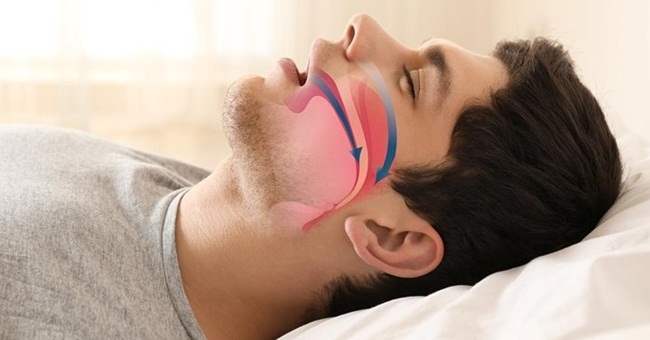
When airflow through the upper airway becomes partially restricted during sleep, the tissues can vibrate and produce the familiar sound of snoring.
Some people also sleep with their mouths open while snoring.
That creates a direct path for saliva to escape.
Occasional snoring is common and doesn't necessarily indicate a health problem.
But persistent, loud snoring deserves more attention, particularly if it occurs alongside other symptoms.
Watch for:
- Loud habitual snoring
- Gasping during sleep
- Choking sensations
- Witnessed pauses in breathing
- Morning headaches
- Significant daytime sleepiness
These symptoms can occur with obstructive sleep apnea.
Drooling does not diagnose sleep apnea.
But drooling combined with significant nighttime breathing problems may be part of a larger pattern that should be evaluated.
7. Sleeping With Your Mouth Open Can Explain Both Symptoms
Sometimes you don't realize your mouth is open while sleeping.
You may only discover it because you wake up with:
- A dry mouth
- A wet pillow
- A sore throat
- Bad breath
A partner may also notice that your mouth remains open during sleep.
If this happens regularly, think about why your mouth might be opening.
Possible contributors include nasal congestion, snoring, sleep position, or difficulty breathing comfortably through the nose.
The goal isn't simply to force your mouth closed.
Instead, identifying the reason for nighttime mouth breathing is more useful.
8. Alcohol Before Bed May Make the Problem Worse
Alcohol can influence sleep patterns and muscle tone.
For some people, drinking alcohol close to bedtime can also worsen snoring.
If you notice that you drool significantly more on nights when you drink, there may be a connection.