You may notice that you drool more when you're sick or during allergy season.
In that situation, the drooling itself may not be the main issue.
The underlying problem could simply be difficulty breathing comfortably through your nose.
If nasal congestion happens frequently, addressing the congestion may also improve your nighttime breathing.
5. Allergies Can Change the Way You Sleep
Allergies can have a surprisingly large effect on nighttime breathing.
A person with nasal allergies may experience congestion, sneezing, itching, or increased mucus production.
When the nose becomes congested, mouth breathing becomes more likely.
This can contribute to both dry-mouth symptoms and nighttime drooling.
Some people notice that the problem becomes worse during certain seasons or after exposure to:
- Dust
- Pollen
- Pet allergens
- Mold
- Other environmental triggers
If you consistently notice a relationship between your allergies and drooling, that pattern may provide an important clue.
The solution isn't necessarily to focus on the drooling.
It may be more useful to address the underlying nasal symptoms.
6. Snoring Can Make a Wet Pillow More Likely
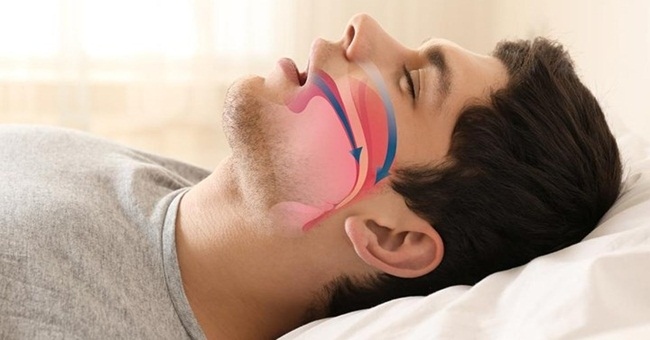
Snoring is another important factor to consider.
When airflow through the upper airway becomes partially restricted during sleep, the tissues can vibrate and produce the familiar sound of snoring.
Some people also sleep with their mouths open while snoring.
That creates a direct path for saliva to escape.
Occasional snoring is common and doesn't necessarily indicate a health problem.
But persistent, loud snoring deserves more attention, particularly if it occurs alongside other symptoms.
Watch for:
- Loud habitual snoring
- Gasping during sleep
- Choking sensations
- Witnessed pauses in breathing
- Morning headaches
- Significant daytime sleepiness
These symptoms can occur with obstructive sleep apnea.
Drooling does not diagnose sleep apnea.
But drooling combined with significant nighttime breathing problems may be part of a larger pattern that should be evaluated.
7. Sleeping With Your Mouth Open Can Explain Both Symptoms
Sometimes you don't realize your mouth is open while sleeping.
You may only discover it because you wake up with:
- A dry mouth
- A wet pillow
- A sore throat
- Bad breath
A partner may also notice that your mouth remains open during sleep.
If this happens regularly, think about why your mouth might be opening.
Possible contributors include nasal congestion, snoring, sleep position, or difficulty breathing comfortably through the nose.
The goal isn't simply to force your mouth closed.
Instead, identifying the reason for nighttime mouth breathing is more useful.
8. Alcohol Before Bed May Make the Problem Worse
Alcohol can influence sleep patterns and muscle tone.
For some people, drinking alcohol close to bedtime can also worsen snoring.
If you notice that you drool significantly more on nights when you drink, there may be a connection.
This doesn't mean that every episode of drooling after having a drink is a medical concern.
But repeated patterns can be useful.
For example, if your normal nights are relatively dry but you consistently wake up with a wet pillow after drinking, that observation may tell you something about how alcohol affects your sleep and breathing.
9. Some Sedating Medications Can Affect Sleep
Certain medications can influence saliva production, swallowing, muscle activity, or sleep patterns.
If nighttime drooling suddenly becomes more noticeable after starting a medication, consider discussing the timing with a pharmacist or healthcare professional.
This is especially important if you take several medications.
However, don't stop a prescribed medication on your own.