

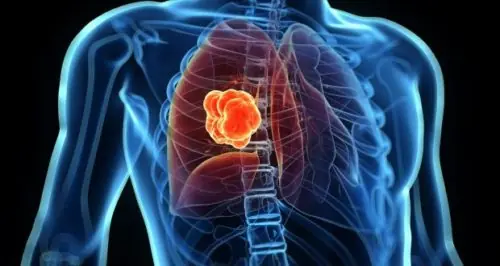
Lung Can.cer Can Be Difficult to Detect Early - Watch for These 5 Possible Symptoms
Don't Ignore These 5 Changes - They Could Be Early Warning Signs of Lung Can.cer
A good night's sleep is one of the most important pillars of health. Yet millions of people struggle to fall asleep, stay asleep, or wake up feeling refreshed. Stress, busy schedules, excessive screen time, and poor sleep habits can all interfere with the body's natural sleep cycle.
While no drink can instantly cure insomnia, certain beverages may help create a relaxing bedtime routine and support the body's natural ability to unwind. Combined with healthy sleep habits, these drinks may make it easier to achieve more restful sleep.
If you're looking for natural ways to improve your sleep quality, here are six calming drinks and several science-backed bedtime habits worth considering.
Sleep is not simply a period of rest.
During sleep, the body performs important functions such as:
Memory consolidation
Hormone regulation
Tissue repair
Immune system support
Brain detoxification
Poor sleep has been linked to:
Fatigue
Reduced concentration
Mood changes
Increased stress
Long-term health risks
Improving sleep quality can have benefits that extend far beyond simply feeling rested.
Chamomile tea is one of the most popular bedtime beverages worldwide.
Chamomile contains plant compounds that may promote relaxation.
One compound, apigenin, interacts with receptors in the brain associated with calmness and sleepiness.
Many people report that chamomile tea helps them:
Feel relaxed
Reduce bedtime stress
Create a calming evening ritual
About 30 to 60 minutes before bedtime.
Warm milk has long been associated with better sleep.
Milk contains:
Tryptophan
Calcium
Protein
Tryptophan is an amino acid involved in the production of serotonin and melatonin.
Beyond nutrition, warm milk may provide psychological comfort and relaxation.
The soothing ritual itself may contribute to a sense of calm before bed.
Tart cherries have attracted attention from sleep researchers.
Tart cherries naturally contain melatonin.
Melatonin is a hormone that helps regulate the sleep-wake cycle.
Several studies have suggested that tart cherry juice may support sleep duration and sleep quality in some individuals.
Choose products with minimal added sugar whenever possible.
Lemon balm is an herb belonging to the mint family.
It has been used for centuries to promote relaxation.
Some people use lemon balm tea to help manage:
Stress
Nervousness
Mild sleep difficulties
Its mild citrus aroma also contributes to a relaxing bedtime experience.
Passionflower has a long history of use as a calming herbal beverage.
Some studies suggest passionflower may help improve subjective sleep quality.
People often drink it to support:
Relaxation
Stress reduction
Evening calmness
The tea has a mild flavor that pairs well with other herbal blends.
A simple cup of warm water mixed with a small amount of honey remains a popular nighttime drink.
Honey may provide a mild sweetness that feels comforting before bed.
Warm beverages can encourage relaxation and signal the body that it is time to wind down.
Honey should be consumed in moderation, especially for individuals monitoring sugar intake.
Just as some drinks may support relaxation, others can make sleep more difficult.
Caffeine may remain in the body for several hours.
These often contain high levels of stimulants.
Although beneficial in many ways, black tea contains caffeine.
While alcohol may initially cause drowsiness, it often disrupts sleep quality later in the night.
The body operates on an internal clock known as the circadian rhythm.
Going to bed and waking up at roughly the same time each day helps regulate this system.
A consistent schedule may:
Improve sleep quality
Reduce nighttime awakenings
Make falling asleep easier
Modern devices emit blue light.
Blue light may suppress melatonin production.
Smartphones
Tablets
Computers
Televisions
Try reducing screen exposure during the hour before bedtime.
Environment plays an important role in sleep.
Most people sleep better when the room is:
Quiet
Dark
Slightly cool
Blackout curtains
Comfortable bedding
White noise machines
Large meals shortly before bedtime can interfere with sleep.
Heartburn
Indigestion
Discomfort
If hungry, choose a light snack rather than a heavy meal.
Physical activity supports overall health and sleep quality.
Regular exercise may help:
Reduce stress
Improve sleep duration
Increase sleep efficiency
Intense exercise immediately before bed may be stimulating for some people.
Stress is one of the most common contributors to sleep difficulties.
Deep breathing
Meditation
Gentle stretching
Reading
Journaling
Even a few minutes of relaxation can help prepare the body for sleep.
Sleep needs vary from person to person.
Alcohol often disrupts normal sleep patterns.
Sleep quality is often more important than simply spending more time in bed.
Occasional sleep difficulties are common.
However, consider speaking with a healthcare professional if:
Insomnia persists for weeks
Daytime fatigue becomes severe
Loud snoring occurs regularly
Breathing pauses during sleep are observed
Sleep problems affect daily life
Persistent sleep disturbances may indicate an underlying condition requiring evaluation.
Better sleep rarely comes from a single solution. Instead, it is usually the result of multiple healthy habits working together. Calming drinks such as chamomile tea, warm milk, tart cherry juice, lemon balm tea, passionflower tea, and warm water with honey may help support relaxation as part of a consistent bedtime routine.
Combined with healthy sleep practices—including regular sleep schedules, reduced screen time, a comfortable sleep environment, and stress management—these simple strategies may help improve sleep quality naturally.
While occasional sleepless nights are a normal part of life, prioritizing good sleep habits can have a powerful impact on physical health, mental well-being, and overall quality of life.
Don't Ignore These 5 Changes - They Could Be Early Warning Signs of Lung Can.cer

Your Feet Can Reveal Clues About What's Happening Inside Your Body

Ever Wondered Why Some Hard-Boiled Eggs Develop a Greenish Halo? 👀👇

This might sound unbelievable, but in reality, many small changes in the body, particularly abnormalities in the fingers, can be early warning signs of serious health issues.
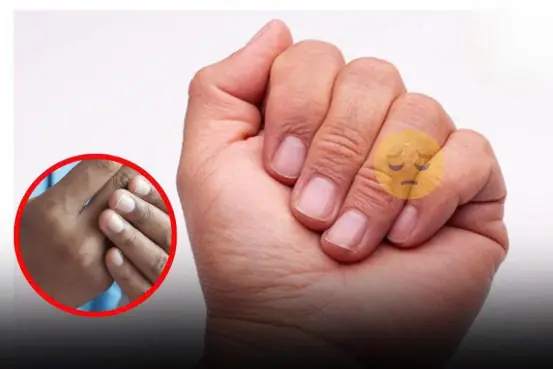
This might sound unbelievable, but in reality, many small changes in the body, particularly abnormalities in the fingers, can be early warning signs of serious health issues.
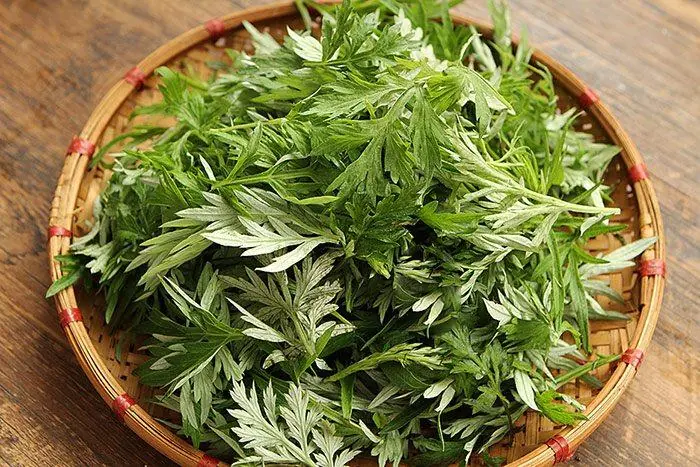
What Was Once Seen as a Simple Vegetable Is Now Valued for Its Impressive Health Benefits?
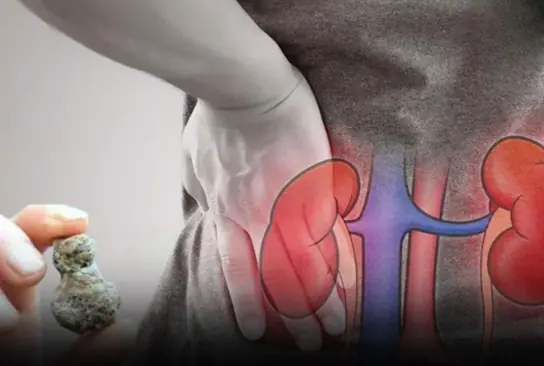
If you want to protect your kidneys — as precious as gold — change these 5 harmful habits as soon as possible.

If you want to protect your kidneys — as precious as gold — change these 5 harmful habits as soon as possible.

With the simple tips below, you can easily extend the shelf life of avocados while maintaining their quality.
Watermelon is not only a summer thirst quencher but also a rich source of citrulline, lycopene, vitamins A, C and flavonoid antioxidants.

Watermelon is not only a summer thirst quencher but also a rich source of citrulline, lycopene, vitamins A, C and flavonoid antioxidants.

Could Your Neck Be Sending Warning Signs? Here Are 3 Symptoms Doctors Recommend Checking
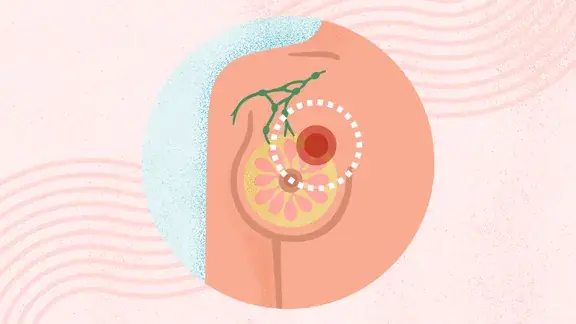
Many People Miss These 10 Possible Symptoms of Breast Cancer Until It's Too Late 👇

The Potential Benefits and Considerations of Eating Okra Frequently

Parents Should Watch for These 4 Possible Signs of Stroke in Children

Don't Ignore Hip Pain—It May Be a Sign of an Underlying Issue ⚠️👇

Before Your Next Colonoscopy Appointment, Check the First Comment

our Feet Are a “Blood Sugar Meter” – 5 Strange Symptoms That May Signal Diabetes Diabetes is a silent but dangerous disease that affects millions worldwide.
👂 What Causes Hair to Grow on the Ears? The Answer May Surprise You 😲👇
Don't Ignore These 5 Changes - They Could Be Early Warning Signs of Lung Can.cer
Your Feet Can Reveal Clues About What's Happening Inside Your Body
Ever Wondered Why Some Hard-Boiled Eggs Develop a Greenish Halo? 👀👇

Want to Know If Your Honey Is Pure? Start With This Simple Test
This might sound unbelievable, but in reality, many small changes in the body, particularly abnormalities in the fingers, can be early warning signs of serious health issues.
This might sound unbelievable, but in reality, many small changes in the body, particularly abnormalities in the fingers, can be early warning signs of serious health issues.
What Was Once Seen as a Simple Vegetable Is Now Valued for Its Impressive Health Benefits?
If you want to protect your kidneys — as precious as gold — change these 5 harmful habits as soon as possible.
If you want to protect your kidneys — as precious as gold — change these 5 harmful habits as soon as possible.
With the simple tips below, you can easily extend the shelf life of avocados while maintaining their quality.

With the simple tips below, you can easily extend the shelf life of avocados while maintaining their quality.
Watermelon is not only a summer thirst quencher but also a rich source of citrulline, lycopene, vitamins A, C and flavonoid antioxidants.
Watermelon is not only a summer thirst quencher but also a rich source of citrulline, lycopene, vitamins A, C and flavonoid antioxidants.
Could Your Neck Be Sending Warning Signs? Here Are 3 Symptoms Doctors Recommend Checking
Many People Miss These 10 Possible Symptoms of Breast Cancer Until It's Too Late 👇
The Potential Benefits and Considerations of Eating Okra Frequently

Before Your Next Cup of Coffee, Check This List of Foods to Avoid ☕👇
Parents Should Watch for These 4 Possible Signs of Stroke in Children
Don't Ignore Hip Pain—It May Be a Sign of an Underlying Issue ⚠️👇