Wake Up With Bad Breath Every Morning? Try These 6 Simple Nighttime Habits for Fresher Breath
Do you wake up in the morning, brush your teeth, and still feel like your breath isn't fresh?
You're not alone.
Morning breath is extremely common. During sleep, saliva production naturally decreases. With less saliva washing away bacteria and food particles, odor-producing bacteria can become more noticeable overnight. Sleeping with your mouth open or having dry mouth can make the problem worse.
The good news? A few simple nighttime habits may help reduce morning breath.
1. 🪥 Brush Your Teeth Before Bed

Skipping nighttime brushing gives bacteria and food particles more time to remain in your mouth while you sleep.
Brush your teeth twice a day for about two minutes using fluoride toothpaste, including before going to bed. Good oral hygiene is one of the most important ways to reduce bad breath and protect your teeth and gums.
Don't rush this step. Gently clean all tooth surfaces and along the gumline.
2. 🦷 Clean Between Your Teeth
A toothbrush cannot effectively reach every space between your teeth.
Food particles and plaque trapped between teeth can contribute to unpleasant odors. Floss or use an interdental cleaner at least once a day, preferably as part of your evening routine.
This can help remove debris that bacteria can feed on overnight.
3. 👅 Don't Forget Your Tongue
Your tongue can collect bacteria and debris, particularly toward the back.
Gently cleaning your tongue with a toothbrush or tongue cleaner may help your mouth feel fresher. However, it's important not to overstate this: the American Dental Association notes that evidence does not show tongue scraping alone prevents chronic bad breath. It should be considered an additional part of oral hygiene—not a substitute for brushing and cleaning between your teeth.
4. 💧 Keep Your Mouth From Getting Too Dry
Saliva is your mouth's natural cleaning system.
When saliva decreases, bacteria and odor-producing compounds can accumulate more easily. Dry mouth can also be caused or worsened by certain medications, smoking, dehydration and some health conditions.
Make sure you drink enough fluids during the day. If you frequently wake up with an extremely dry mouth, consider discussing it with your dentist or healthcare professional.
If you use chewing gum to stimulate saliva, choose sugar-free gum rather than sugary products.
5. 🚭 Avoid Things That Can Make Morning Breath Worse
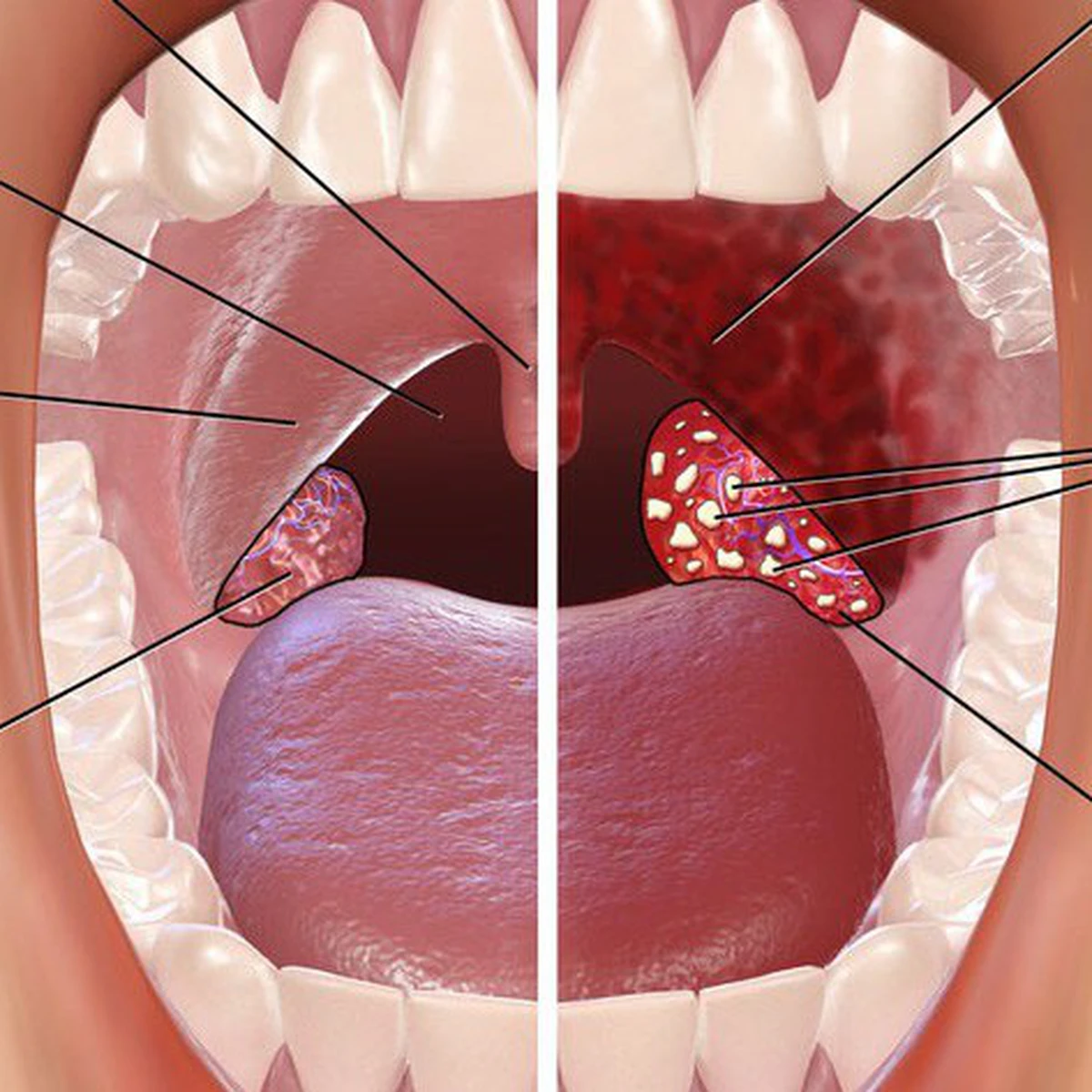
Some habits can contribute to dry mouth or unpleasant breath.
Smoking, excessive alcohol consumption and certain foods can make bad breath worse. Garlic and onions, for example, can temporarily affect breath odor.
If you notice that certain foods consistently make your morning breath worse, reducing them—especially late at night—may help.
6. 🦷 Don't Rely Only on Mouthwash
Mouthwash can make your breath feel fresher, but it shouldn't replace brushing and cleaning between your teeth.
The American Dental Association explains that some therapeutic mouthwashes can help control bad breath, plaque or gingivitis, while cosmetic mouthwashes may mainly mask odor temporarily.
If you use mouthwash, follow the product directions and consider choosing one designed to address the specific problem you're experiencing.
🚨 When Morning Breath May Need More Attention
Occasional morning breath is usually nothing to worry about.
But if your bad breath continues throughout the day or doesn't improve after a few weeks of good oral hygiene, it may be time to see a dentist. Persistent bad breath can sometimes be associated with gum disease, tooth decay, dry mouth, infections or other conditions.
See a dentist sooner if you also have bleeding or swollen gums, tooth pain, loose adult teeth, or other persistent mouth problems.
🌙 A Simple Nighttime Routine
Before going to bed:
Brush → Clean between your teeth → Gently clean your tongue → Keep hydrated → Avoid smoking and excessive alcohol.
You don't need an expensive product or complicated routine. Consistent oral hygiene is often the most important step.
And remember: morning breath is common and doesn't automatically mean something is wrong. But persistent bad breath shouldn't simply be covered up with mints or mouthwash—it may be worth finding the underlying cause.
Sources: Mayo Clinic, NHS, American Dental Association (ADA), Cleveland Clinic.