Skin tags and warts are common skin growths that affect millions of people. They can appear on the neck, face, hands, feet, underarms, eyelids, and other parts of the body. Although most are harmless, they can become uncomfortable, catch on clothing, or make people feel self-conscious about their appearance.
When these growths appear, many people immediately search for simple ways to remove them at home. Online advice often recommends household ingredients, natural oils, over-the-counter treatments, or improvised removal techniques. Some methods may be appropriate for certain types of warts, but others can irritate the skin, cause infection, or leave permanent scars.
The most important first step is identifying what the growth actually is. Skin tags and warts may look similar at first glance, but they have different causes and may require different treatments. A growth that looks harmless could also be another type of skin lesion that needs medical assessment.
Understanding the differences, knowing which treatments are supported by evidence, and recognizing when to see a healthcare professional can help you make safer decisions about your skin.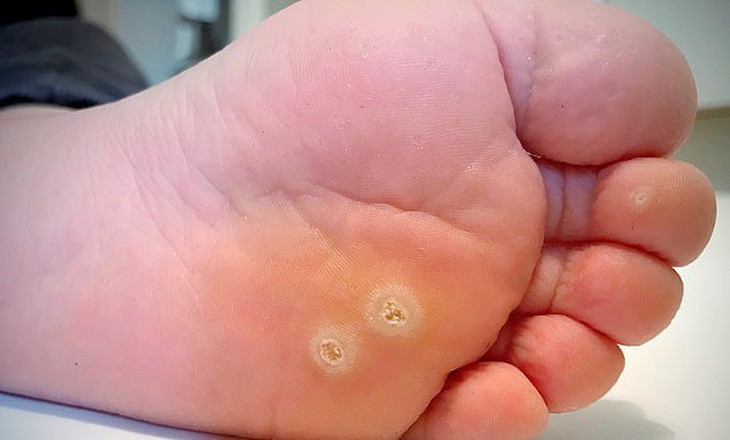
1. What Are Skin Tags?
Skin tags, medically known as acrochordons, are small, soft growths that usually develop on areas where skin rubs against skin or clothing.
They commonly appear on the neck, underarms, groin, beneath the breasts, and around the eyelids. Some are attached to the skin by a narrow stalk, while others have a broader base.
Skin tags are generally benign, meaning they are not cancerous. They are usually skin-colored or slightly darker and may be smooth or wrinkled. Their size can range from a tiny bump to a growth several millimeters or more across.
Although the exact cause is not always clear, friction appears to play a role. Skin tags are also more common in older adults and in people with obesity, insulin resistance, or type 2 diabetes. Hormonal changes may influence their development as well.
However, having skin tags does not automatically mean that someone has diabetes or another medical condition.
Are skin tags dangerous?
Most typical skin tags are harmless and do not require treatment.
Nevertheless, they can become irritated when rubbed by necklaces, collars, razors, or tight clothing. A tag may occasionally bleed if it is injured or twisted.
If a growth changes rapidly, becomes unusually dark, develops an irregular appearance, bleeds without an obvious injury, or causes persistent pain, it should be examined by a healthcare professional rather than assumed to be a skin tag.
Do skin tags disappear on their own?
Some small skin tags may eventually detach, particularly if their blood supply becomes interrupted, but this should not be relied upon as a removal method.
Trying to twist, cut, tie off, or pull a skin tag can cause bleeding, infection, and scarring. Even a small growth can contain blood vessels, and its appearance alone cannot always establish that it is harmless.
If removal is desired, a clinician can assess the growth and determine the safest approach.
2. What Are Warts?
Warts are different from skin tags. They are usually caused by certain types of human papillomavirus, commonly known as HPV, that infect the outer layer of the skin.
The virus can enter through tiny breaks in the skin and cause cells to grow more rapidly, producing a raised or thickened area.
Warts may appear on the fingers, hands, knees, feet, or other parts of the body. Their appearance varies according to their location and type.
Common warts often have a rough surface. Plantar warts develop on the soles of the feet and may feel painful when walking. Flat warts are generally smaller and smoother, while filiform warts can have thin, finger-like projections.
Some warts contain tiny dark dots, which may represent small clotted blood vessels rather than dirt.
Are warts contagious?
Yes. Many common warts can spread through direct contact with an infected area or through contaminated surfaces, although transmission is not inevitable.
Picking or biting a wart may spread the virus to nearby skin. Sharing items such as nail clippers, towels, or files can also contribute to transmission in some circumstances.
The virus may spread more easily when the skin is damaged or moist. People can also develop warts after exposure without knowing exactly when or where it happened.