Do not attempt to diagnose yourself based on skin tags, and do not assume that removing them will improve blood sugar control.
Skin-tag removal addresses the growth itself. Any underlying metabolic condition requires its own evaluation and management.
14. Will Skin Tags or Warts Come Back After Removal?
Recurrence depends on the type of growth and the treatment used.
A skin tag that has been completely removed usually does not grow back in exactly the same place, but new skin tags can develop nearby or elsewhere. This is particularly likely in people who are prone to developing them.
Warts behave differently because they are caused by a viral infection. Treatment removes or destroys affected tissue, but the virus may remain in nearby skin. Consequently, a wart can return after treatment or new warts can develop.
Recurrence does not necessarily mean that the treatment was performed incorrectly.
If a growth repeatedly returns, becomes more painful, or looks different from the original lesion, have it reassessed. A clinician may recommend another treatment or reconsider the diagnosis.
Repeatedly applying stronger chemicals or attempting increasingly aggressive home removal can cause damage without resolving the problem.
15. What to Expect During a Professional Appointment
Many people delay getting a skin growth examined because they fear pain, embarrassment, or an expensive procedure.
In reality, the first appointment may involve little more than a discussion and visual examination.
The clinician may ask when the growth appeared, whether it has changed, whether it causes discomfort, and whether you have tried any treatments.
If removal is appropriate, the clinician can explain the available methods, expected healing time, possible side effects, and likely cost.
Some small skin tags can be removed quickly in an office setting. Wart treatment may require several visits, depending on the size and location of the lesion.
Before treatment, tell the clinician about allergies, medications, bleeding disorders, diabetes, circulation problems, or any condition that affects healing.
After removal, follow the wound-care instructions provided. Keep the area clean, avoid picking at scabs, and seek advice if you develop increasing redness, warmth, swelling, pus, worsening pain, or persistent bleeding.
A professional appointment can help you avoid unnecessary treatments and ensure that the chosen method matches the actual skin condition.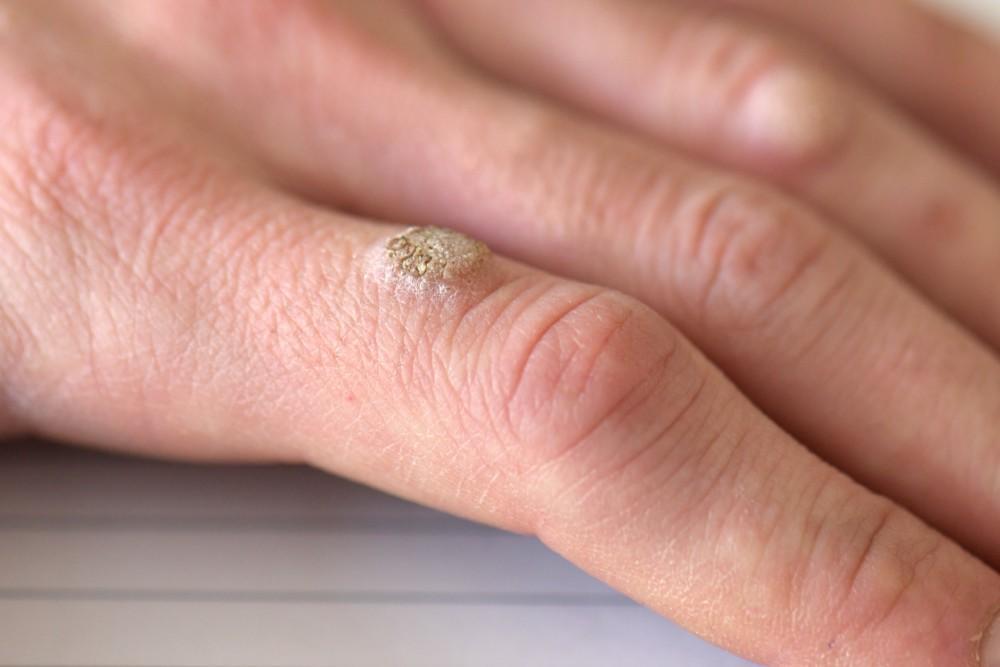
Final Thoughts: Choose Safe Treatment Over Quick Fixes
Skin tags and warts are common, and most are not dangerous. Nevertheless, the safest way to manage them begins with understanding what they are.
Skin tags are generally benign growths associated with factors such as friction and individual predisposition. Warts are usually caused by certain types of HPV and may spread through contact.
Their different causes mean that they should not automatically be treated in the same way.
For suitable common warts, salicylic acid and professional cryotherapy are established options. Skin tags can often be removed by a clinician using methods such as snip removal, cauterization, or cryotherapy when appropriate.
By contrast, cutting, tying, burning, or applying harsh household substances can cause unnecessary bleeding, infection, chemical burns, and scarring. These methods are especially risky around the eyes, face, genitals, and feet.
Most importantly, do not attempt to remove an unidentified growth. A lesion that resembles a wart or skin tag may need a different kind of treatment, and certain warning signs warrant medical assessment.
If a growth bothers you, causes repeated irritation, or affects your confidence, you do not have to live with it simply because it is usually harmless. A healthcare professional can help you understand your options and decide whether removal is worthwhile.
The best approach is simple: identify the growth correctly, choose an evidence-based treatment, and protect your skin from unnecessary injury. Safe treatment is more important than finding the fastest home remedy, and a few minutes of professional advice may prevent weeks of irritation or a permanent scar.
Maintaining Healthy Skin After Removal
After a skin tag or wart has been removed, proper aftercare helps the skin heal and reduces the risk of complications. Keep the treated area clean, follow your healthcare professional’s instructions, and avoid scratching, picking, or applying unapproved products while the skin recovers. Protect healing skin from excessive sunlight to reduce the risk of discoloration. If you notice increasing redness, swelling, pus, persistent bleeding, or worsening pain, seek medical advice. Remember that removing an existing growth does not always prevent new ones from appearing, so continue monitoring your skin for unusual changes.