Your liver is one of the body's hardest-working organs. It helps process nutrients, metabolize medications, produce bile for digestion, store energy, and remove waste products from the bloodstream.
Because the liver performs so many important functions, maintaining liver health is an important part of overall wellness.
The good news is that supporting your liver doesn't require a complicated "detox" program or expensive supplements. A balanced diet rich in vegetables, fruits, whole grains, legumes, and other minimally processed foods can provide nutrients that support normal liver function.
Among the many foods worth including, four vegetables and two fruits stand out for their fiber, antioxidants, vitamins, minerals, and other beneficial plant compounds.
These foods won't "cleanse" your liver or cure liver disease. Instead, they can become part of an eating pattern associated with better metabolic and cardiovascular health - which is also important for the liver.
Why Diet Matters for Your Liver
The liver is closely connected to your metabolism.
It plays an important role in processing:
-
Carbohydrates
-
Fats
-
Proteins
-
Alcohol
-
Medications
-
Various compounds absorbed from the digestive tract
A diet consistently high in excess calories, added sugars, saturated fat, and highly processed foods can contribute to metabolic problems such as obesity, insulin resistance, and fatty liver disease.
On the other hand, diets emphasizing plant foods, fiber, healthy fats, and minimally processed ingredients are generally more supportive of metabolic health.
This is why adding vegetables and fruits to your meals can be useful.
1. Leafy Greens
Leafy greens such as spinach, kale, collard greens, and other dark green vegetables are nutrient-dense additions to a liver-friendly diet.
They provide:
-
Fiber
-
Folate
-
Vitamin K
-
Carotenoids
-
Vitamin C
-
Various plant compounds
Their high nutrient density means you can add substantial nutritional value to a meal without adding a large number of calories.
Why might leafy greens be useful for liver health?
One important reason is their role in overall metabolic health.
Maintaining a healthy body weight and good blood sugar regulation can help reduce the risk of metabolic dysfunction-associated steatotic liver disease, commonly known as MASLD.
Leafy greens can also replace more calorie-dense foods in meals, making it easier to build a balanced diet.
Easy ways to eat more leafy greens
Try adding them to:
-
Omelets
-
Soups
-
Salads
-
Stir-fries
-
Sandwiches
-
Grain bowls
-
Smoothies
You don't need a huge bowl every day. Consistency matters more than quantity.
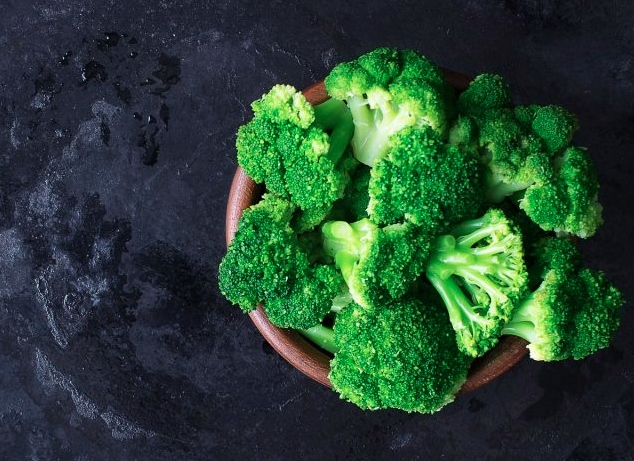
2. Broccoli and Other Cruciferous Vegetables
Broccoli belongs to the cruciferous vegetable family, along with:
-
Cauliflower
-
Cabbage
-
Brussels sprouts
-
Bok choy
-
Kale
These vegetables contain fiber and numerous plant compounds, including glucosinolates.
When cruciferous vegetables are chopped or chewed, these compounds can participate in chemical reactions that produce biologically active substances.
Researchers have investigated these compounds for their potential roles in cellular defense and metabolism.
However, it's important not to exaggerate the evidence.
Eating broccoli doesn't "flush toxins from your liver."
Instead, broccoli is simply a nutrient-rich food that fits well into an overall healthy dietary pattern.
Try this simple combination
Steam or lightly roast broccoli and serve it with:
-
Grilled fish
-
Chicken
-
Tofu
-
Brown rice
-
Beans
Add a small amount of olive oil, garlic, or lemon for flavor.
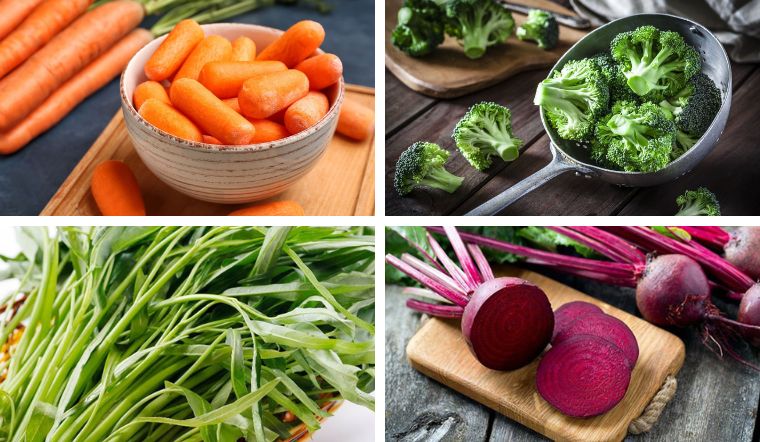
3. Carrots
Carrots are another excellent vegetable to include.
They're particularly well known for their beta-carotene content.
Beta-carotene is a carotenoid that the body can convert into vitamin A.
Vitamin A is important for:
-
Vision
-
Immune function
-
Normal cell growth
-
Healthy skin and tissues
Carrots also provide fiber and other plant compounds.
Why are they relevant to liver-friendly eating?
Carrots are naturally low in calories and can add sweetness, color, and texture to meals without relying on added sugar.
You can eat them:
-
Raw
-
Steamed
-
Roasted
-
Added to soups
-
Mixed into salads
-
Cooked with other vegetables
Eating a variety of colorful vegetables is generally a better strategy than focusing on one particular "superfood."
4. Beets
Beets are known for their deep red-purple color, which comes from plant pigments called betalains.
They also provide:
-
Fiber
-
Folate
-
Potassium
-
Other micronutrients
-
Various plant compounds
Beets have attracted research interest because of their antioxidant and anti-inflammatory properties.
Some research has also examined beetroot and its nitrate content in relation to cardiovascular health and blood pressure.
Because cardiovascular and metabolic health are closely connected with liver health, nutrient-rich foods such as beets can fit nicely into a balanced diet.
How to enjoy beets
Try them:
-
Roasted
-
Steamed
-
Added to salads
-
Blended into soups
-
Combined with leafy greens
If you've never eaten beets before, start with a small serving because their earthy flavor can be quite strong.
5. Berries
Now let's move to the fruits.
Berries—including blueberries, strawberries, raspberries, and blackberries—are packed with fiber and plant compounds.
Many berries contain polyphenols and other antioxidants.
They are also naturally sweet while generally providing less added sugar than processed desserts.
Why are berries useful for a liver-friendly diet?
A major advantage is that they can replace foods with a higher amount of added sugar.
For example:
Instead of eating a sugary dessert every night, you might choose:
Plain yogurt + berries + a small amount of nuts
This provides:
-
Protein
-
Fiber
-
Vitamins
-
Minerals
-
Plant compounds
That's a much more nutrient-dense combination.
6. Apples
Apples are another simple fruit that can fit into a healthy diet.
They provide:
-
Fiber
-
Vitamin C
-
Polyphenols
-
Natural carbohydrates
-
Water
Much of an apple's fiber is found in the skin, so eating the skin can provide additional fiber if the fruit has been properly washed.
Why does fiber matter?
Fiber supports digestive health and can contribute to better blood sugar and cholesterol management.
Since metabolic health is closely related to fatty liver disease, eating fiber-rich foods is a useful part of an overall strategy.
Apples can also be an easy substitute for highly processed snacks.
Why These Foods Work Better as a Group
It's tempting to look for one food that "detoxes" the liver.
But that's not how liver health works.
The liver already has sophisticated systems for processing substances and maintaining the body's internal environment.
Rather than searching for a miracle ingredient, think about your overall eating pattern.
A meal might contain:
½ plate vegetables
¼ plate protein
¼ plate whole grains or another appropriate carbohydrate
Then add a piece of fruit if desired.
This approach provides a broad range of nutrients instead of relying on a single food.
Fiber Is One of the Most Valuable Nutrients Here
Several of these foods provide dietary fiber.
Fiber can support:
-
Regular bowel movements
-
Satiety
-
Blood glucose management
-
Cholesterol management
-
A healthy gut microbiome
The relationship between the gut and liver is an important area of research.
The digestive tract and liver are connected through the portal circulation, meaning substances absorbed from the intestines travel directly to the liver.
This is one reason researchers are interested in the gut-liver axis.
A diet rich in diverse plant foods can help support a healthier intestinal environment.
What About Fatty Liver Disease?
Fatty liver disease is increasingly common.
The condition can develop when excessive fat accumulates in the liver.
Metabolic risk factors include:
-
Overweight or obesity
-
Insulin resistance
-
Type 2 diabetes
-
High triglycerides
-
High blood pressure
-
Certain dietary patterns
-
Physical inactivity
For people with MASLD, improving overall diet quality, increasing physical activity, and achieving appropriate weight loss when needed can be important.
Vegetables and whole fruits can be part of that strategy.
But simply eating six specific foods won't reverse liver disease by itself.
Whole Fruit Is Different From Fruit Juice
This distinction is important.
Eating a whole apple or a handful of berries provides fiber.
Juicing removes much of the fiber and makes it easier to consume a large amount of fruit sugar quickly.
For example, it may take several oranges to produce a glass of juice, but eating several whole oranges at once would be much more filling.
For most people, whole fruit is the better everyday choice.
This doesn't mean all fruit juice is forbidden. It simply shouldn't automatically be considered equivalent to eating whole fruit.
What About Sugar and Liver Health?
Excessive intake of added sugars can contribute to excessive calorie consumption and metabolic problems.
Foods and drinks particularly worth limiting include:
-
Soft drinks
-
Sweetened tea
-
Energy drinks
-
Candy
-
Pastries
-
Sweetened coffee drinks
-
Many packaged desserts
This is one reason whole fruit is different from sugary beverages.
Fruit contains naturally occurring sugars along with fiber, water, vitamins, minerals, and plant compounds.
Don't Forget About Alcohol
If the goal is liver health, alcohol deserves special attention.
Alcohol is metabolized primarily by the liver, and excessive consumption can contribute to liver injury.
Alcohol-related liver disease can range from fatty liver to more severe conditions such as alcoholic hepatitis and cirrhosis.
If you already have liver disease, your healthcare professional may recommend avoiding alcohol completely.
No vegetable or fruit can "cancel out" the harmful effects of excessive alcohol consumption.
What About Coffee?
Interestingly, coffee has been associated in observational and clinical research with several favorable liver outcomes.
Regular coffee consumption has been associated with lower risk of certain chronic liver conditions in many studies.
However, the benefits depend on the individual, and adding large amounts of sugar, syrups, or high-calorie creamers can change the nutritional picture.
If you enjoy coffee, unsweetened or lightly sweetened coffee may be a reasonable choice for many adults.
Foods to Limit for Better Liver Health
Adding healthy foods is important, but reducing less nutritious foods can be equally valuable.
Consider limiting:
Highly Processed Foods
Many packaged foods are high in sodium, refined carbohydrates, unhealthy fats, or added sugars.
Sugary Drinks
These can add substantial calories without providing much nutritional value.
Processed Meats
Frequent consumption may be associated with poorer cardiovascular and metabolic health.
Excessive Saturated Fat
Large amounts can contribute to an unfavorable lipid profile in some people.
Excessive Alcohol
This is particularly important for people with existing liver disease.
A Simple Liver-Friendly Breakfast
You don't need a complicated recipe.
Try:
Oatmeal + blueberries + sliced apple + a small handful of unsalted nuts
This combination provides:
-
Fiber
-
Whole grains
-
Fruit
-
Healthy fats
-
Plant compounds
You could also add plain yogurt for protein.
A Simple Liver-Friendly Lunch
Try:
Large salad with leafy greens + carrots + broccoli + grilled chicken or tofu + olive oil-based dressing
Add a modest serving of whole grains if desired.
This gives you a combination of vegetables, protein, fiber, and healthy fats.
A Simple Liver-Friendly Dinner
Consider:
Grilled fish + roasted beets + broccoli + brown rice
Finish with a piece of whole fruit if desired.
The exact portions should depend on your energy needs and medical conditions.
How Much Fruit Should You Eat?
There's no single amount that works for everyone.
For many healthy adults, incorporating two or more servings of whole fruit throughout the day can be part of a balanced diet.
But people with diabetes or other medical conditions may need to consider carbohydrate portions.
Again, whole fruit doesn't need to be feared.
The key is balance.
Can These Foods "Detox" Your Liver?
No.
This is one of the biggest myths surrounding liver-health content.
Your liver doesn't need a special juice, tea, or food to "flush toxins."
The liver continuously performs its normal metabolic functions.
Some detox products can actually be harmful, particularly concentrated herbal supplements that have not been adequately tested.
Instead of a detox program, focus on:
-
Healthy weight
-
Regular exercise
-
Balanced nutrition
-
Limited alcohol
-
Appropriate medications
-
Avoiding unnecessary supplements
-
Managing diabetes and cholesterol
-
Regular medical care
These strategies are much more meaningful for long-term liver health.
What If You Already Have Liver Disease?
If you've been diagnosed with:
-
Fatty liver disease
-
Hepatitis
-
Cirrhosis
-
Alcohol-related liver disease
-
Another liver condition
don't assume that a list of healthy foods is enough.
Different liver conditions have different nutritional considerations.
For example, people with advanced cirrhosis may have specific needs related to:
-
Protein
-
Sodium
-
Fluid
-
Calories
-
Vitamin and mineral status
Follow the recommendations of your doctor or registered dietitian.
A Note About Supplements
You may see supplements marketed as "liver detox" products containing ingredients such as:
-
Milk thistle
-
Turmeric
-
Green tea extract
-
Various herbal blends
Some ingredients have been studied for potential effects on liver health, but supplements aren't automatically safe or effective.
In fact, some herbal and dietary supplements have been linked to drug-induced liver injury.
If you have liver disease or take prescription medications, speak with your healthcare professional before starting a supplement.
Signs That Your Liver May Need Medical Attention
Liver disease can remain silent for a long time.
When symptoms do occur, they may include:
-
Persistent fatigue
-
Loss of appetite
-
Nausea
-
Abdominal discomfort
-
Yellowing of the skin or eyes
-
Dark urine
-
Pale stools
-
Swelling of the legs or abdomen
-
Easy bruising
These symptoms have many possible causes, so they don't automatically mean liver disease.
However, yellowing of the skin or eyes, significant abdominal swelling, confusion, vomiting blood, or black stools require prompt medical evaluation.
A Simple Daily Strategy for Liver Health
Instead of obsessing over six specific foods, create a routine.
Morning
Choose oatmeal with berries or an apple.
Lunch
Include leafy greens and another colorful vegetable.
Snack
Choose whole fruit instead of a sugary snack.
Dinner
Include broccoli, carrots, beets, or another vegetable.
Throughout the day
Drink water according to your needs and stay physically active.
This is much more sustainable than trying a short-term "liver cleanse."
The 4 Vegetables and 2 Fruits at a Glance
🥬 Leafy Greens
Rich in fiber, vitamins, minerals, and plant compounds.
🥦 Broccoli
Provides fiber and glucosinolate-containing plant compounds.
🥕 Carrots
A good source of beta-carotene and fiber.
Beets
Provide betalains, folate, fiber, and other nutrients.
🫐 Berries
Rich in fiber and polyphenol-containing plant compounds.
🍎 Apples
Provide fiber, vitamin C, and various polyphenols.
These foods are not magic cures.
Their value comes from being part of an overall nutrient-rich dietary pattern.
The Bottom Line
If you want to support your liver, you don't need an expensive detox kit or a complicated diet.
Start with ordinary whole foods.
Leafy greens, broccoli, carrots, beets, berries, and apples can all contribute useful nutrients and plant compounds to your diet.
More importantly, combine these foods with other healthy habits:
Maintain a healthy weight.
Exercise regularly.
Limit added sugars and highly processed foods.
Avoid excessive alcohol.
Manage diabetes, cholesterol, and blood pressure.
Be cautious with supplements and herbal products.
Get medical care when symptoms or abnormal liver tests occur.
Final Thoughts
Your liver works around the clock, and it doesn't need a special "cleanse" to do its job.
What it does benefit from is a lifestyle that reduces metabolic stress and provides a wide range of nutrients.
Adding colorful vegetables and whole fruits to your meals is one simple way to move in that direction.
Try building meals around leafy greens, broccoli, carrots, beets, berries, and apples, while also including adequate protein, whole grains, legumes, and healthy fats.
And remember that healthy food works best as part of a healthy pattern—not as a miracle treatment.
If you already have liver disease, talk with your healthcare professional or a registered dietitian before making major dietary changes.
The best liver-supporting diet isn't a one-week detox. It's a balanced eating pattern you can maintain for years.