Many eating habits that seem harmless — or even economical — may quietly increase long-term health risks.
Many people have the habit of “not wanting to waste food.” When food only appears slightly spoiled, they simply cut off the damaged part and continue eating the rest. From slightly bruised fruit and overnight rice with a strange smell to burnt food, many believe that “a little won’t hurt.”
However, according to health experts, some foods can produce harmful toxins once they begin to show signs of spoilage. If consumed regularly over a long period, they may affect the liver, digestive system, and even increase the risk of cancer.
Below are 4 types of foods that become more dangerous the more you try to save them — yet many families still consume them every day.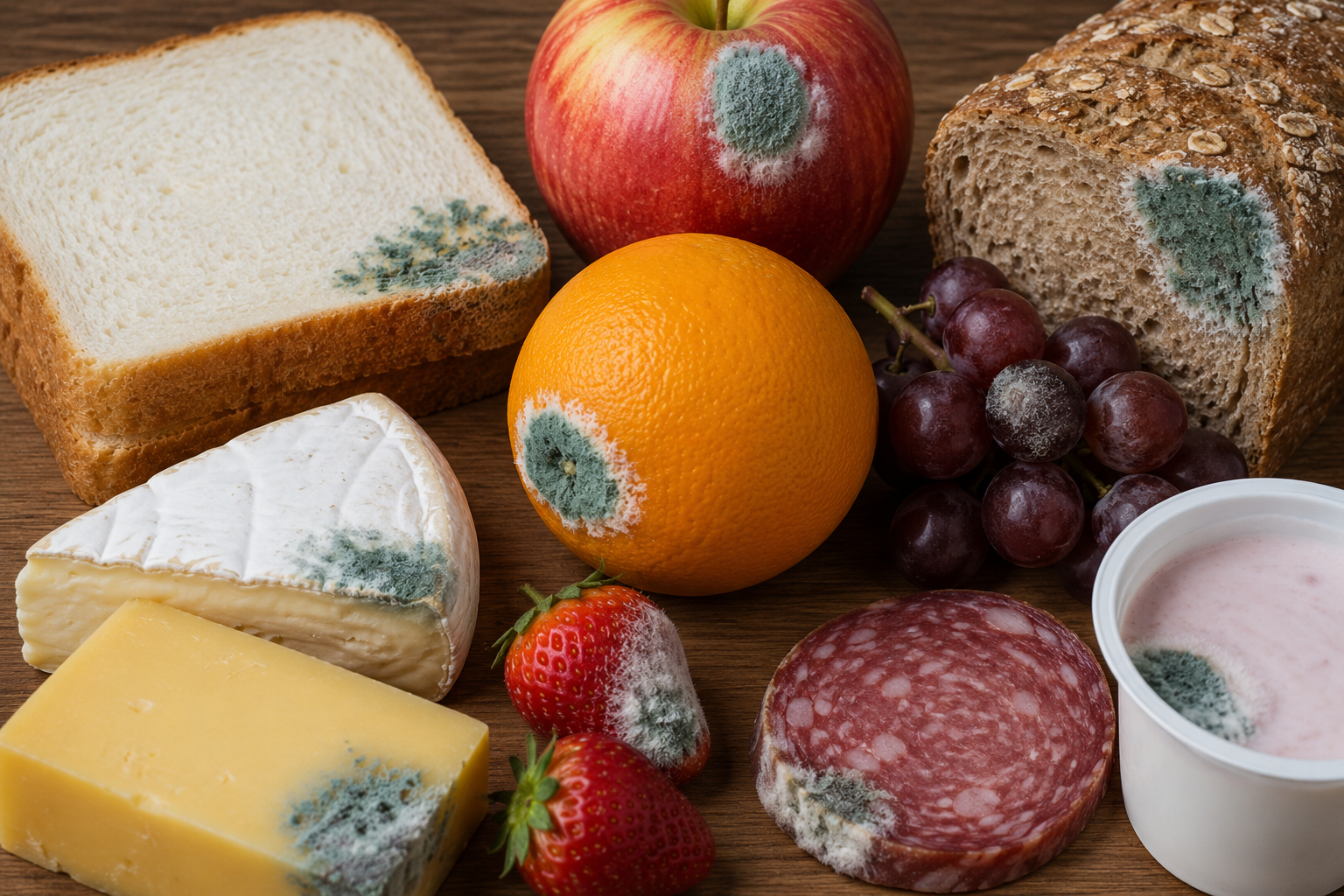
- Moldy Foods
This is one of the most common yet most underestimated types of spoiled food in many households. Many people see a small patch of mold on bread, peanuts, rice, or fruit, cut it off, and continue eating the rest to avoid waste.
However, experts warn that the visible mold is often only the surface problem. Toxins produced by mold may have already spread deep inside the food.
In particular, grains and nuts stored in humid environments can develop aflatoxin, a substance classified as highly carcinogenic. What makes it even more concerning is that these toxins are heat-resistant and may not be completely destroyed during cooking.
Therefore, even if food only smells slightly sour, changes color a little, or shows tiny spots of mold, consumers should not take it lightly.
- Burnt or Charred Food
Many people enjoy crispy burnt rice, charred grilled meat, or deep-fried foods because they think “slightly burnt tastes better.” However, health experts warn that these foods should be limited.
When food is cooked at excessively high temperatures, its internal structure changes and harmful compounds can form. Starchy foods such as fries, baked goods, or burnt rice may produce acrylamide, a substance suspected to be linked to cancer risk.
Meanwhile, charred meat can create heterocyclic amines and polycyclic aromatic hydrocarbons — compounds that may harm the body if accumulated over time.
Not only do burnt foods pose health risks, but they also lose most of their original vitamins and nutrients. What remains is mainly hard-to-digest carbon compounds that can put pressure on the stomach and intestines.
Experts recommend prioritizing low-temperature cooking methods such as steaming, boiling, or stewing instead of over-frying or over-grilling. If food is badly burnt or has a strong burnt smell, it is best to throw it away rather than force yourself to eat it to “avoid wasting food.”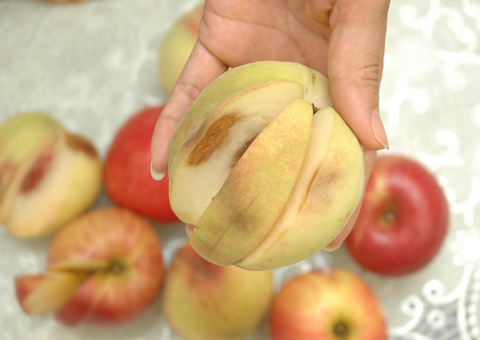
- Bruised, Rotten, or Leaking Fruit
One common mistake in many households is cutting away only the spoiled part of fruit and continuing to eat the rest.
In reality, once fruit starts rotting or leaking juice, bacteria and mold can spread rapidly inside. The remaining flesh that still looks normal may no longer be safe.
This is especially true for soft fruits such as strawberries, grapes, peaches, or ripe mangoes, where toxins can spread quickly in a short amount of time. Washing the fruit with water is often not enough to remove harmful substances that have penetrated deep inside.
According to experts, eating spoiled fruit can not only cause stomach pain and digestive disorders but may also weaken the immune system if consumed regularly over time.
- Leftovers With Strange Smells or Discoloration
In many households, leftover food is often saved for the next day. However, if not stored properly or left at room temperature for too long, food can easily become contaminated with bacteria.
Common warning signs include sour, rancid, or pungent smells, as well as unusual color changes such as yellowing rice or meat turning grayish-green.
Many people believe that simply reheating or boiling the food thoroughly makes it safe to eat again. However, while high heat may kill bacteria, toxins produced by bacteria can still remain.
Repeatedly reheating spoiled food can increase the risk of food poisoning, nausea, diarrhea, and added stress on the digestive system.
Experts recommend cooling cooked food quickly and refrigerating it as soon as possible, avoiding leaving it at room temperature for more than two hours. If food has been stored too long or shows unusual signs in color or smell, it is best to throw it away rather than trying to reuse it.
In many cases, “saving one meal” may cause the body to pay the price with long-term health risks. Instead of trying to avoid waste at all costs, properly discarding spoiled food is a safer way to protect yourself and your family every day.