For many people, the first concern is vitiligo, a condition associated with the loss of skin pigmentation. However, vitiligo is only one possible explanation. Several other skin conditions can also cause white spots, and many of them are relatively common, manageable, or harmless.
The appearance of these marks can vary considerably. Some are tiny and round, others form irregular patches, and some have a dry or slightly scaly surface. Certain spots become more noticeable after spending time in the sun, while others develop following a rash, skin irritation, or infection.
Understanding the possible causes is important because different conditions require different approaches. A fungal infection, for example, may respond to antifungal treatment, while age-related pigment changes may not require treatment at all.
The good news is that most white spots are not automatically a sign of a serious illness. However, persistent, spreading, or unexplained changes deserve attention, particularly when they are accompanied by other symptoms.
Here are some common conditions that can cause white spots on the skin, what makes them different, and when it may be time to consult a dermatologist.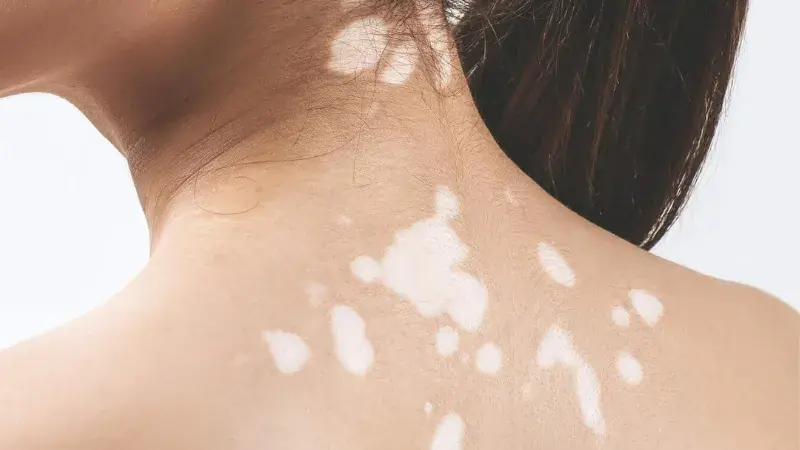
1. Tinea Versicolor: A Common Fungal-Related Cause
One of the most common explanations for lighter patches on the skin is tinea versicolor, also known as pityriasis versicolor.
Despite its name, this condition is not caused by a traditional contagious fungus that someone necessarily catches from another person. It involves an overgrowth of a type of yeast called Malassezia, which naturally lives on the skin.
Under certain conditions, this yeast can multiply excessively and interfere with normal pigmentation.
Tinea versicolor often appears as small, irregular patches that may be lighter or darker than the surrounding skin. Although the name suggests multiple colors, pale or white-looking patches are particularly noticeable in people with darker or tanned skin.
Common areas include:
-
The upper chest.
-
The back and shoulders.
-
The neck.
-
The upper arms.
-
Occasionally, other areas of the trunk.
The affected skin may have very fine scaling. Some people experience mild itching, particularly when sweating, while others have no noticeable discomfort.
Warm, humid weather can encourage the condition to develop. People with naturally oily skin may also be more susceptible.
One reason tinea versicolor is frequently mistaken for other pigmentation disorders is that its patches can remain visible even after the yeast has been successfully treated.
This happens because the skin needs time to restore its normal pigmentation. The discoloration may take weeks or even months to fade.
Treatment usually involves antifungal products, such as medicated shampoos, creams, or lotions. More extensive or recurrent cases may require prescription medication.
A dermatologist can help distinguish tinea versicolor from other conditions, especially when the patches do not respond to treatment.
2. Idiopathic Guttate Hypomelanosis: Tiny White Spots Associated With Aging
Have you noticed several tiny white spots scattered across your arms or legs, particularly as you have gotten older?
One possible explanation is idiopathic guttate hypomelanosis.
This condition is relatively common in middle-aged and older adults. It produces small, flat, round or oval white spots that often measure only a few millimeters across.
They commonly appear on areas that receive considerable sunlight, including:
-
The forearms.
-
The shins.
-
The lower legs.
-
The upper arms.
-
Other exposed areas.
The spots are generally smooth and do not cause itching or pain. They may become more noticeable after tanning because the surrounding skin darkens while the affected areas remain pale.
The exact cause is not fully understood. However, aging and cumulative ultraviolet exposure are believed to contribute to the condition.
Over time, the skin undergoes natural changes in its ability to produce and distribute melanin. Repeated sun exposure may also affect pigment-producing cells in certain areas.
Although the appearance can be concerning, idiopathic guttate hypomelanosis is generally harmless. It is not contagious and is not considered a sign of skin cancer.
Treatment is usually unnecessary from a medical perspective.
People who are concerned about the cosmetic appearance can discuss possible options with a dermatologist. Some procedures may improve the appearance of affected areas, but results vary, and treatments can sometimes cause irritation or additional pigment changes.
Consistent sun protection is also helpful for reducing further ultraviolet damage.
3. Pityriasis Alba: Pale Patches Often Found in Children
Pityriasis alba is another common cause of lighter skin patches, particularly among children and teenagers.
It often appears on the face, especially the cheeks, although the arms and other areas can also be affected.