If a pale patch has been present since childhood and has remained relatively unchanged, this history can provide an important diagnostic clue.
7. Chemical Leukoderma: When Certain Substances Affect Skin Pigmentation
Some chemicals can interfere with normal pigmentation and cause lighter or white patches.
This condition is known as chemical leukoderma.
It can occur after repeated exposure to certain substances that affect melanocytes.
Potential sources include some industrial chemicals, rubber products, adhesives, and particular ingredients used in manufacturing.
Certain chemicals found in cosmetic or personal-care products have also been associated with pigment changes.
The affected areas may initially appear where the skin repeatedly contacts the triggering substance.
For example, someone working with particular industrial materials may develop pale patches on their hands or fingers.
The pattern can sometimes resemble vitiligo, which makes professional assessment important.
Treatment generally begins with identifying and avoiding the responsible substance.
However, pigment recovery is not guaranteed, especially if melanocytes have been significantly damaged.
People who work with chemicals should follow appropriate occupational safety procedures, including protective gloves and other recommended equipment.
If unexplained white patches appear after repeated chemical exposure, a dermatologist should evaluate them.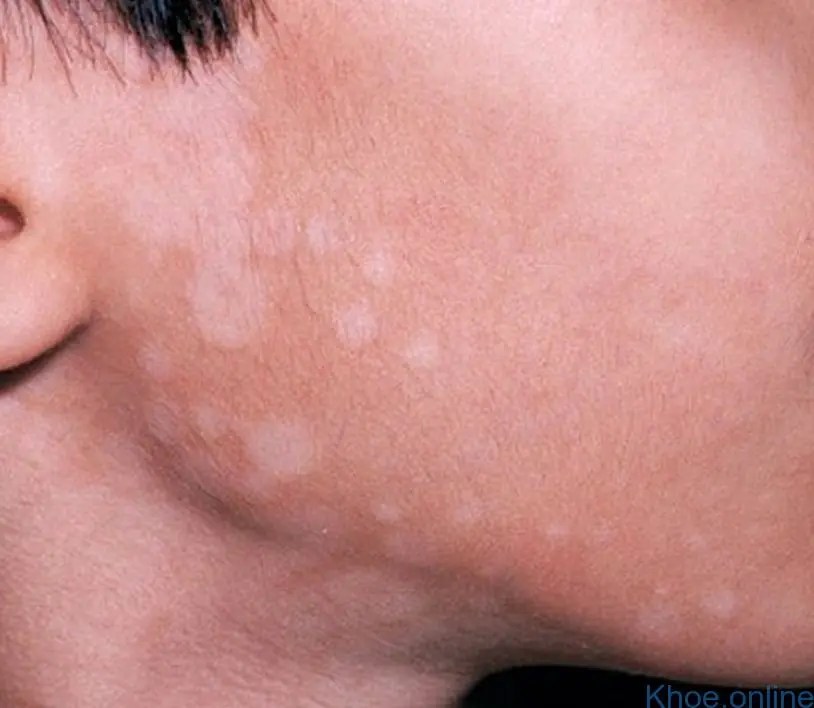
8. Sun-Related Pigmentation Changes
Sun exposure can contribute to several different types of skin discoloration.
While ultraviolet radiation is commonly associated with tanning and dark spots, it can also make existing pale areas more noticeable.
For example, idiopathic guttate hypomelanosis is associated with aging and cumulative sun exposure.
Certain other sun-related skin changes may also produce lighter spots or areas of uneven pigmentation.
The contrast becomes especially visible when surrounding skin darkens after time outdoors.
People sometimes assume that these spots are caused by a lack of vitamins or minerals, but their appearance alone cannot establish a nutritional deficiency.
Long-term ultraviolet exposure can also damage the skin in other ways, contributing to premature aging and increasing the risk of skin cancer.
Practical sun protection includes:
-
Using broad-spectrum sunscreen with SPF 30 or higher.
-
Reapplying sunscreen according to product instructions.
-
Wearing protective clothing.
-
Seeking shade during periods of intense sunlight.
-
Avoiding excessive tanning.
-
Avoiding indoor tanning beds.
Sun protection may not reverse existing white spots, but it can reduce further ultraviolet damage and help prevent additional pigmentation problems.
9. Dry Skin and Mild Inflammatory Conditions
Dry skin can sometimes create pale, uneven-looking areas, particularly when accompanied by mild inflammation or fine scaling.
The surface may appear rough, flaky, or slightly lighter than nearby skin.
This is especially common in people with sensitive skin, eczema, or a tendency toward dryness.
The appearance may become more noticeable during cold weather, after frequent bathing, or when harsh soaps and skincare products damage the skin barrier.
Dry skin alone does not usually cause sharply defined, completely white patches. However, dryness combined with inflammation can contribute to changes in skin appearance.
A suitable moisturizer can help improve hydration and support the skin barrier.
People with persistent dryness should consider using gentle cleansers, avoiding very hot showers, and limiting products containing strong fragrances or irritating ingredients.
If pale areas remain despite improved hydration, or if they continue to spread, another condition may be responsible.
10. Can Nutritional Deficiencies Cause White Spots?
One common question is whether white spots on the skin indicate a lack of vitamins or minerals.
Nutrition plays an important role in maintaining healthy skin, but isolated white spots are not a reliable sign of a specific deficiency.
Some severe nutritional deficiencies can contribute to skin changes, impaired wound healing, or inflammation.
However, a few pale patches on the arms, legs, or face do not automatically indicate a lack of vitamin B12, vitamin D, zinc, calcium, or another nutrient.
A deficiency is more likely to be considered when skin changes occur alongside other symptoms, such as:
-
Persistent fatigue.
-
Unexplained weakness.
-
Changes in appetite.
-
Hair loss.
-
Poor wound healing.
-
Other changes involving the skin, hair, or nails.
The symptoms depend on the specific nutrient involved.
Taking high doses of supplements without confirming a deficiency is not recommended. Excessive supplementation can cause side effects and may interact with certain medications.
If a healthcare professional suspects a nutritional problem, they may recommend blood tests based on the person's symptoms, medical history, and dietary habits.
A balanced diet containing vegetables, fruits, whole grains, protein sources, and healthy fats is a sensible foundation for overall skin health.
11. Why Do White Spots Become More Noticeable After Sun Exposure?
Many people first notice white spots during the summer or after spending time outdoors.
This does not necessarily mean sunlight caused the spots to develop.
In some conditions, the surrounding skin becomes darker after ultraviolet exposure while the affected areas remain lighter.