Garlic cooked in ghee is a simple combination that has been used in traditional cooking and wellness practices for generations.
Garlic is known for its strong flavor and distinctive sulfur-containing compounds, while ghee is a clarified butter traditionally used in South Asian and Middle Eastern cuisines. Together, they create a rich, aromatic ingredient that can be added to vegetables, grains, soups, curries, or eaten as part of a meal.
But what actually happens in the body when you eat garlic cooked in ghee?
Some of the potential effects come from garlic itself, while others relate to the fats and nutrients found in ghee. At the same time, cooking can change some of garlic's compounds, and eating large amounts of ghee can substantially increase calorie and saturated-fat intake.
So this combination is best viewed as a flavorful food with potentially useful nutritional properties, rather than a miracle remedy.
Here are some of the potential effects worth knowing about.
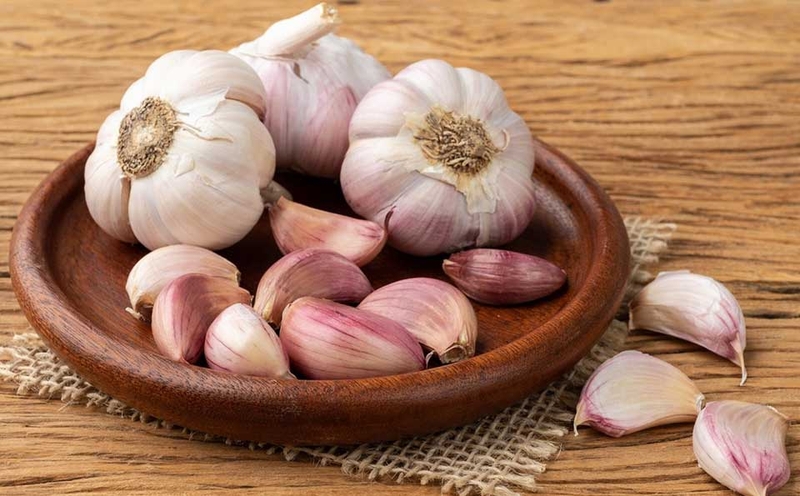
1. Garlic Provides Sulfur-Containing Compounds
Garlic's most studied compounds are its sulfur-containing substances.
One of the best-known is allicin, which forms when raw garlic is chopped, crushed, or otherwise damaged.
Allicin is relatively unstable and can break down into other sulfur-containing compounds.
These compounds are responsible for much of garlic's distinctive smell and flavor and are also the subject of considerable scientific research.
Studies have investigated garlic and its compounds for potential effects involving:
-
Cardiovascular health
-
Blood pressure
-
Cholesterol
-
Oxidative stress
-
Inflammation
-
Immune function
However, an important distinction is necessary.
Research on isolated garlic compounds does not necessarily mean that eating garlic cooked in ghee will produce the same effects.
How garlic is prepared, how much is consumed, and the overall diet all matter.
2. Cooking Garlic Changes Its Chemistry
One of the most interesting things about garlic is that preparation affects its compounds.
When garlic is crushed, enzymes inside the garlic help produce allicin.
Heat can reduce the activity of these enzymes.
This means that cooking garlic immediately after crushing it may result in less allicin formation than consuming freshly crushed raw garlic.
However, cooking doesn't make garlic nutritionally useless.
Other sulfur-containing compounds remain, and cooked garlic still provides nutrients and plant compounds.
If you're interested in preserving some of garlic's enzyme-dependent compounds, one commonly discussed cooking approach is to crush or chop the garlic and let it sit briefly before heating.
The exact amount of benefit obtained from this practice in everyday cooking is difficult to quantify, however.
3. Ghee Provides Fat and Fat-Soluble Nutrients
Ghee is essentially clarified butter.
During production, much of the water and milk solids are removed, leaving a concentrated source of fat.
Because of this, ghee provides substantial calories in a relatively small amount.
It also contains small amounts of fat-soluble vitamins, depending on the product and production method.
The fat in ghee can contribute to the absorption of fat-soluble compounds from other foods eaten in the same meal.
However, this does not mean that adding more ghee automatically makes a meal healthier.
Ghee is calorie-dense, and much of its fat is saturated fat.
For people trying to manage LDL cholesterol or cardiovascular risk, the amount of ghee used matters.
4. Garlic and Ghee Can Make Vegetables More Appealing
One of the most practical benefits of this combination has nothing to do with supplements or traditional medicine.
Garlic cooked in a small amount of ghee can make vegetables significantly more flavorful.
This can encourage people to eat more:
-
Spinach
-
Broccoli
-
Cauliflower
-
Green beans
-
Carrots
-
Pumpkin
-
Mushrooms
-
Other vegetables
That matters because the health benefits of a meal often come from the overall dietary pattern, not from one ingredient.
A small amount of flavorful fat can help turn plain vegetables into a meal you actually want to eat.
5. It May Support Cardiovascular Health—But Don't Overstate the Evidence
Garlic has been extensively studied for potential cardiovascular effects.
Research has suggested that garlic preparations may have modest effects on certain cardiovascular risk factors, particularly blood pressure in some people with hypertension.
Garlic has also been studied for possible effects on cholesterol levels.
However, the evidence varies considerably depending on the type of garlic preparation used.
Fresh garlic, aged garlic extract, garlic powder, and standardized supplements are not interchangeable.
And evidence from garlic supplements cannot automatically be applied to garlic cooked in ghee.
There is also an important consideration with the ghee itself.
Because ghee is relatively high in saturated fat, consuming large quantities may not be appropriate for everyone, particularly people who need to manage LDL cholesterol.
So the combination should not be described as a special heart-health remedy.
A better approach is to use small amounts of ghee to add flavor while keeping the overall diet rich in vegetables, legumes, whole grains, nuts, seeds, and other minimally processed foods.
6. Garlic Contains Antioxidant Compounds
Garlic contains compounds with antioxidant activity.
Antioxidants help protect cells from oxidative damage associated with reactive molecules generated during normal metabolism and various environmental exposures.
This is one reason researchers have investigated garlic in relation to inflammation and chronic disease.
However, the body has its own complex antioxidant systems, and eating one antioxidant-rich food does not "flush out toxins."
You don't need garlic cooked in ghee as a detox treatment.
Instead, think of garlic as one plant food that can contribute useful compounds to an otherwise varied diet.
7. It May Have Effects on Blood Pressure
Garlic has received considerable research attention for its potential relationship with blood pressure.
Some studies of specific garlic preparations suggest modest blood-pressure reductions in people with elevated blood pressure.
But the results depend on:
-
The type of garlic preparation
-
The amount consumed
-
Duration of use
-
Individual characteristics
Eating a few cloves of garlic cooked in ghee should not be considered a substitute for prescribed blood-pressure medication.
If you have hypertension, continue following your healthcare professional's treatment plan.
Garlic can be part of a healthy eating pattern, but it should complement—not replace—evidence-based treatment.
8. It May Support Normal Immune Function
Garlic has traditionally been used in many cultures as a food associated with immune health.
Modern research has investigated garlic and garlic preparations for their potential effects on immune responses and respiratory infections.
Some studies have suggested possible benefits, but the evidence is not strong enough to conclude that eating garlic prevents infections.
Eating garlic cooked in ghee won't make you immune to colds or other infections.
However, garlic can contribute nutrients and plant compounds to a diet that supports overall nutritional adequacy.
9. It May Have Antimicrobial Properties in Laboratory Studies
Garlic compounds have demonstrated antimicrobial activity in laboratory research.
Certain garlic compounds can inhibit the growth of some bacteria and fungi under experimental conditions.
This has generated interest in garlic as a potential source of biologically active compounds.
But there's an important difference between:
"A compound can inhibit microorganisms in a laboratory."
and
"Eating garlic will treat an infection in your body."
The second claim does not automatically follow from the first.
Garlic should not be used as a replacement for antibiotics or other appropriate medical treatment when someone has an infection.

10. Ghee Can Make Garlic Easier to Incorporate Into Meals
Garlic can be intense when eaten raw.
Cooking it gently in ghee softens its flavor and produces a richer, sweeter aroma.
This makes it easier to incorporate garlic into everyday meals.
You can use a small amount of garlic-infused ghee with:
-
Roasted vegetables
-
Rice
-
Lentils
-
Beans
-
Potatoes
-
Whole grains
-
Soups
-
Eggs
-
Cooked greens
From a dietary perspective, this may be more useful than thinking of garlic and ghee as a special medicinal mixture.
The goal is to create nutritious meals that you enjoy eating consistently.
11. Some People May Find Cooked Garlic Easier on the Stomach
Raw garlic can cause digestive discomfort in some people.
Possible symptoms include:
-
Heartburn
-
Bloating
-
Gas
-
Abdominal discomfort
-
Nausea
Cooking garlic generally produces a milder flavor and may make it more tolerable for some people.