Bitter melon, also known as bitter gourd or Momordica charantia, is a distinctive green fruit widely used in Asian, African, and Caribbean cuisines. Its intensely bitter taste may not appeal to everyone, but this unusual fruit has attracted considerable attention because of its nutritional profile and its long history in traditional food and herbal practices.
So, what actually happens when you eat bitter melon?
Doctors and nutrition professionals generally point to its nutrients rather than treating it as a miracle food. Bitter melon is relatively low in calories and provides fiber, vitamin C, folate, and other plant compounds. Researchers have also studied compounds found in bitter melon for their possible effects on blood sugar and other aspects of health.
However, an important distinction should be made: research on bitter melon is still developing, and promising findings do not mean that eating it can prevent or cure a disease.
Let's take a closer look at what this unusual fruit may do for your body.

What Is Bitter Melon?
Bitter melon is a tropical vine belonging to the cucumber and squash family.
It has a rough, ridged exterior and typically turns from green toward yellow or orange as it matures. Inside, it contains seeds surrounded by pale flesh.
Its name comes from its characteristic flavor. Unlike most fruits, bitter melon has a strong bitterness that remains noticeable even after cooking.
Despite its unusual taste, it is a popular ingredient in many traditional dishes. It can be stir-fried, stuffed, steamed, boiled, or added to soups.
Some cultures have also used bitter melon traditionally in herbal preparations, particularly in connection with blood sugar and digestive health.
Modern research has investigated some of these traditional claims, but the evidence varies depending on the health outcome being studied.
1. It Provides Important Nutrients
One of the simplest benefits of bitter melon is nutritional.
Like many vegetables and fruits, bitter melon can contribute vitamins, minerals, fiber, and beneficial plant compounds to your diet without adding many calories.
It contains vitamin C, an antioxidant nutrient involved in immune function, collagen production, and protection of cells from oxidative damage.
It also provides smaller amounts of nutrients such as folate and potassium.
Adding nutrient-rich vegetables to your meals can help create a more varied and balanced diet.
Bitter melon does not need to be considered a superfood to be valuable. It can simply be one nutritious ingredient among many.
2. It Contains Dietary Fiber
Bitter melon contains dietary fiber, which is important for digestive health.
Fiber can help add bulk to stool and support regular bowel movements. Certain types of dietary fiber also serve as food for beneficial bacteria in the gut.
Getting enough fiber is associated with several aspects of long-term health, including digestive and cardiovascular health.
Of course, eating bitter melon alone will not provide all the fiber your body needs. It is best viewed as one contribution to an overall diet containing vegetables, fruits, whole grains, beans, nuts, and seeds.
3. Researchers Are Studying Its Relationship With Blood Sugar
Perhaps the most discussed potential effect of bitter melon concerns blood glucose.
Bitter melon contains several bioactive compounds that researchers have investigated for their possible effects on glucose metabolism. Laboratory and small human studies have produced interesting findings, but the overall evidence has not established bitter melon as a replacement for proven diabetes treatments.
Some research suggests that bitter melon may have glucose-lowering effects, while other studies have produced mixed or limited results.
This is an important point.
If someone has diabetes or takes medication that lowers blood sugar, consuming large amounts of bitter melon—or using concentrated bitter melon supplements—could potentially contribute to blood sugar becoming too low.
Therefore, bitter melon should not be used to replace prescribed medication or medical care.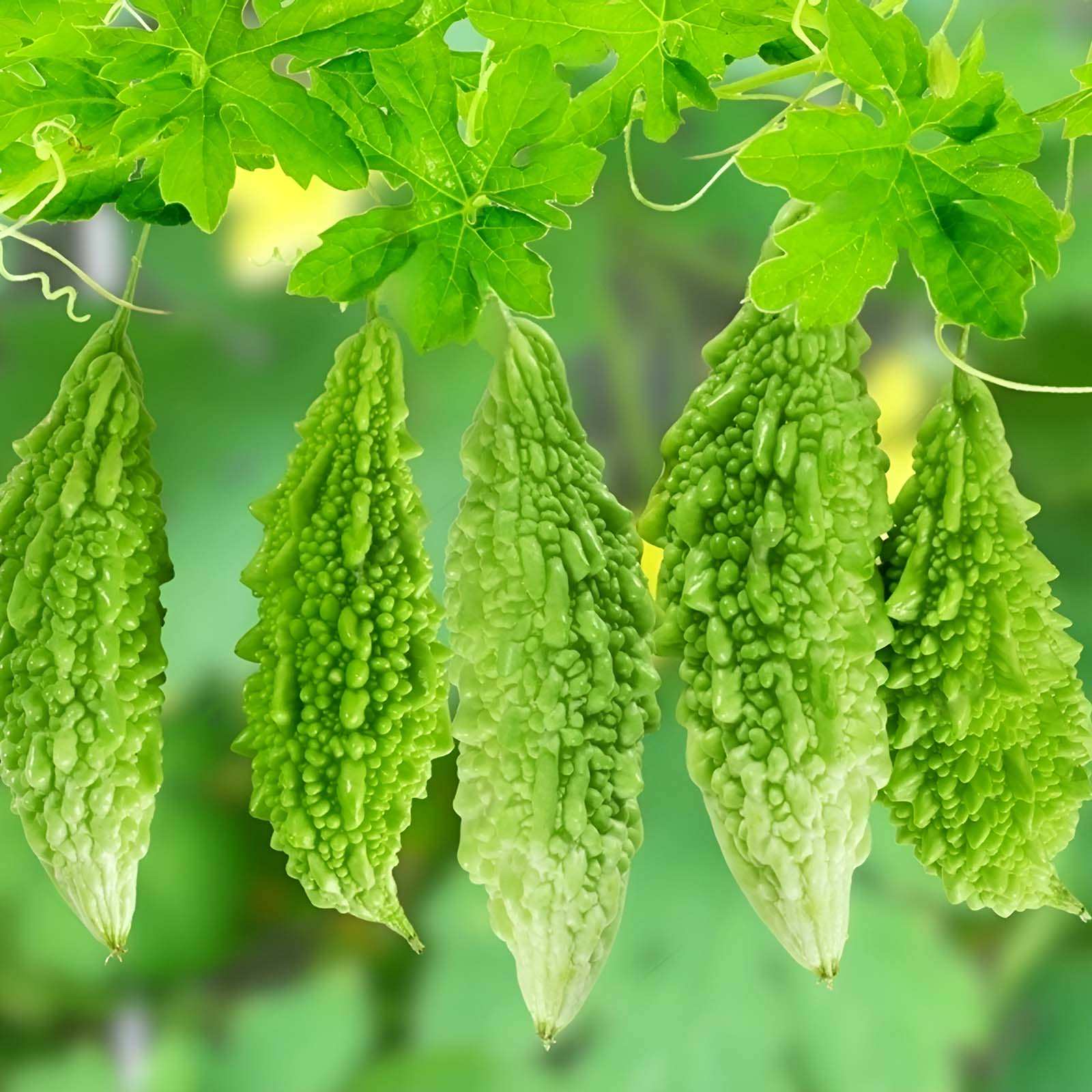
4. It Contains Antioxidant Plant Compounds
Bitter melon contains various phytochemicals, including compounds that have demonstrated antioxidant activity in laboratory research.
Antioxidants help protect cells from oxidative stress caused by unstable molecules known as free radicals.
A diet rich in a variety of plant foods provides numerous antioxidant compounds, which is one reason health professionals commonly recommend eating a colorful selection of vegetables and fruits.
Bitter melon can be part of that variety.
However, it is important not to interpret antioxidant activity in a laboratory as proof that a particular food will prevent a specific disease in humans.
5. It May Support a Healthy Diet for Weight Management
Bitter melon is relatively low in calories while providing fiber and nutrients.
That combination can make it a useful ingredient in meals for people who are trying to build a nutrient-dense eating pattern.
For example, bitter melon can be combined with lean protein, whole grains, and other vegetables to create a filling meal without relying heavily on calorie-dense ingredients.
But there is no evidence that simply eating bitter melon automatically causes significant weight loss.
Healthy weight management depends on the overall pattern of eating, physical activity, sleep, genetics, and many other factors.
6. It May Support Digestive Health
Because bitter melon contains fiber and is traditionally consumed as a vegetable, it can contribute to a diet that supports normal digestion.
Some traditional systems of medicine have used bitter melon for digestive purposes, but traditional use should not automatically be interpreted as scientifically proven treatment.
If you regularly experience abdominal pain, persistent diarrhea, constipation, vomiting, or other digestive symptoms, it is better to identify the underlying cause rather than relying on bitter melon.
7. It Contains Compounds Being Studied for Other Effects
Scientists have investigated bitter melon extracts and isolated compounds for a wide range of possible biological effects.
These studies have explored areas including glucose metabolism, inflammation, lipid metabolism, and cell growth.
Much of this research is conducted in laboratory models or animals, while human evidence is more limited.
This distinction matters.
A compound producing an interesting effect in a laboratory experiment does not necessarily produce the same effect when a person eats the whole fruit.
The amount consumed, how the food is prepared, how the body absorbs its compounds, and individual health factors can all influence the outcome.
Can Bitter Melon Lower Blood Sugar?
This is one of the most common questions about the fruit.
The short answer is: it may influence blood glucose, but the evidence is not strong enough to treat bitter melon as a diabetes medication.
Some clinical research has suggested modest glucose-lowering effects, while systematic reviews have found that the available studies have limitations, including small sample sizes and inconsistent results.
For someone with diabetes, prescribed medication, nutrition, physical activity, and regular medical monitoring remain much more important.
If you want to eat bitter melon regularly while taking glucose-lowering medication, discussing it with your healthcare professional is a sensible precaution.
Is Bitter Melon Safe for Everyone?
For most people, bitter melon consumed as a normal food is generally considered different from taking concentrated extracts or supplements.
However, eating large quantities or using medicinal preparations may carry additional concerns.
Possible side effects can include digestive discomfort, abdominal pain, diarrhea, or other gastrointestinal symptoms.
Because bitter melon may affect blood glucose, people taking diabetes medications should be particularly cautious.
Pregnant people should also avoid medicinal or concentrated bitter melon preparations unless their healthcare professional specifically recommends them. Some compounds in bitter melon have raised safety concerns in pregnancy, and research is not sufficient to establish concentrated forms as safe.
As always, food and supplements are not interchangeable. A normal serving incorporated into a meal is very different from a highly concentrated extract.
Bitter Melon vs. Bitter Melon Supplements
This distinction is often overlooked.
Eating bitter melon as part of a meal exposes you to the whole food, including water, fiber, vitamins, minerals, and naturally occurring plant compounds.
Supplements and extracts can contain much more concentrated amounts of particular compounds.
More is not necessarily better.
If a food has a potentially beneficial compound, consuming a concentrated supplement does not automatically provide greater health benefits. It can also increase the possibility of side effects or interactions with medications.
Anyone considering bitter melon supplements should discuss the product with a healthcare professional, especially if they have an existing medical condition or take prescription medication.
How Can You Eat Bitter Melon?
If you enjoy its flavor, there are many ways to include bitter melon in your meals.
Stir-Fried Bitter Melon
Slice the fruit thinly and stir-fry it with garlic, onions, eggs, tofu, chicken, or other vegetables.
Bitter Melon Soup
It can be added to soups with ingredients such as lean meat, mushrooms, tofu, or other vegetables.
Stuffed Bitter Melon
In some cuisines, the fruit is hollowed out and filled with a seasoned mixture before being cooked.
Bitter Melon With Eggs
Combining sliced bitter melon with scrambled eggs is a popular preparation because the richness of the eggs can balance some of the bitterness.
If the taste is too intense, cooking it with other ingredients can make it more enjoyable.
Why Does Bitter Melon Taste So Bitter?
The bitterness comes from naturally occurring compounds in the fruit.
Some of these compounds are being studied for their biological activity, but the bitterness itself should not be interpreted as proof that the food is more powerful or healthier than other vegetables.
In fact, taste preferences are one reason why people prepare bitter melon in different ways.
Some cooks remove the seeds and inner pith, soak the slices, salt them, or blanch them before cooking to reduce the bitterness.
Should You Eat Bitter Melon Every Day?
There is no universal requirement to eat bitter melon every day.
A healthy diet does not depend on consuming one particular food repeatedly.
Instead, variety is important.
You can enjoy bitter melon as one vegetable within a broader diet that includes leafy greens, carrots, tomatoes, peppers, beans, whole grains, fruits, nuts, seeds, and other nutrient-rich foods.
If you like bitter melon and tolerate it well, including it regularly as part of balanced meals can be perfectly reasonable.
But there is no need to force yourself to eat it simply because you have heard claims that it can “detox” the body or cure a particular condition.
The Bottom Line
So, what does bitter melon do to your body?
It provides nutrients, dietary fiber, and a variety of plant compounds. Research has also explored its possible effects on blood glucose and other metabolic processes.
But the most accurate conclusion is not that bitter melon is a miracle cure.
It is a nutritious traditional food with interesting properties that researchers continue to study.
Its potential benefits should be considered in the context of your entire diet and lifestyle rather than in isolation.
If you enjoy the distinctive bitter flavor, there is no reason to overlook this unusual vegetable. Add it to a balanced meal, prepare it in a way that suits your taste, and enjoy it as part of a varied diet.
And if you have diabetes, are pregnant, take medication, or are considering concentrated bitter melon supplements, speak with a healthcare professional before using it for therapeutic purposes.
Sometimes the healthiest approach is not about finding one magical food.
It is about building healthy habits—and enjoying a wide variety of nourishing foods along the way.