Waking up with a dry mouth is common, especially after a night of sleeping with your mouth open or not drinking enough fluids. But when dry mouth happens frequently, feels unusually severe, or comes with other symptoms, it may be worth looking more closely at what is causing it.
Most people have experienced it at some point.
You wake up, open your eyes, and immediately notice that your mouth feels sticky and uncomfortable. Your tongue may feel dry, your throat may be scratchy, and swallowing can seem more difficult than usual.
Sometimes the explanation is obvious.
You may have slept with your mouth open.
You may have spent the previous day exercising in hot weather.
You may have had alcohol before bed.
Or perhaps your bedroom air was unusually dry.
But what if it happens almost every morning?
Persistent morning dry mouth can have several possible causes, and understanding the pattern can help you decide whether it is simply a nighttime habit or something worth discussing with a healthcare professional.

What Exactly Is Dry Mouth?
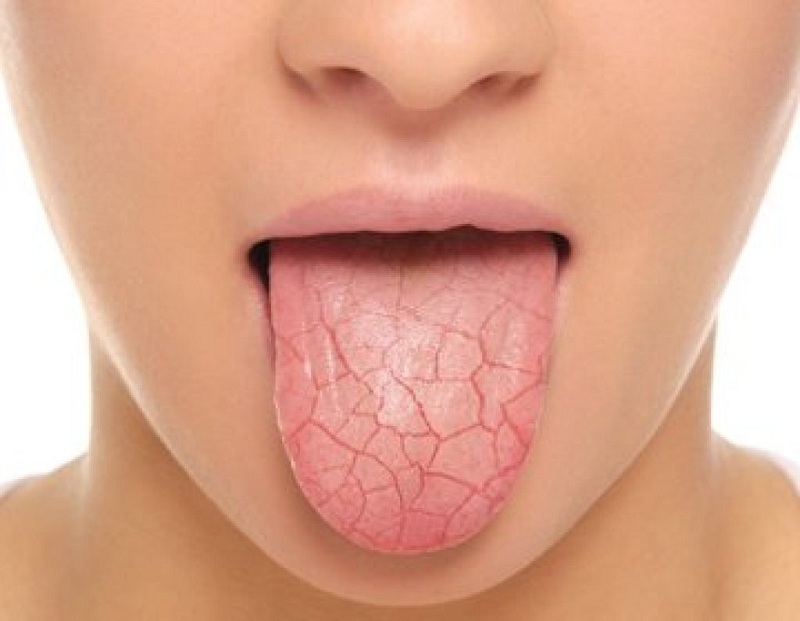
Dry mouth, medically called xerostomia, occurs when the mouth does not have enough saliva or when saliva feels insufficient to keep the tissues comfortably moist.
Saliva is far more important than simply making your mouth feel wet.
It helps:
-
Lubricate the mouth and throat
-
Make swallowing easier
-
Begin the digestive process
-
Protect teeth from acids
-
Help control certain microorganisms
-
Support your sense of taste
When saliva production is reduced, the mouth can feel sticky, dry, or uncomfortable.
Some people describe the sensation as having a layer of cotton in their mouth.
Others wake up feeling as though they need water immediately.
Occasional dryness is usually not a major concern.
Frequent or persistent dryness is different.
1. You May Be Sleeping With Your Mouth Open
One of the simplest explanations for waking up with a dry mouth is mouth breathing during sleep.
When you breathe through your mouth for several hours, air continuously passes over the tissues inside the mouth, increasing moisture loss.
This can happen because of:
-
Nasal congestion
-
Allergies
-
A cold
-
A deviated nasal septum
-
Enlarged tissues in the nose or throat
-
Certain sleeping positions
Some people do not realize they are mouth-breathing at night.
They may simply wake up with:
A dry mouth
Dry lips
A scratchy throat
Bad breath
A need to drink immediately
If your nose is frequently blocked, addressing the underlying nasal problem may help.
2. Snoring Could Be Part of the Problem
Snoring and mouth breathing often occur together.
When airflow through the nose is limited or the muscles of the upper airway relax during sleep, a person may begin breathing through the mouth.
That can leave the mouth extremely dry by morning.
Occasional snoring isn't necessarily a major concern.
But loud, persistent snoring combined with daytime sleepiness, morning headaches, gasping during sleep, or witnessed pauses in breathing deserves medical attention.
Those can be signs of obstructive sleep apnea, a condition in which the upper airway repeatedly becomes blocked during sleep.
People with sleep apnea often do not realize what is happening because the episodes occur while they are asleep.
Dry mouth alone does not diagnose sleep apnea, but it can occur alongside nighttime mouth breathing.
3. You May Simply Be Dehydrated
Dehydration can contribute to dry mouth.
If you do not consume enough fluids during the day, or if you lose more water than usual through sweating, exercise, vomiting, diarrhea, or fever, your mouth may feel noticeably drier.
Alcohol can also contribute to dehydration.
The same may happen after spending a long time in hot or dry conditions.
However, waking up thirsty does not necessarily mean you are seriously dehydrated.
The body normally goes several hours without fluid intake during sleep.
The more useful question is whether the dryness is occasional or persistent and whether you have other symptoms of inadequate hydration.
4. Your Bedroom Environment Could Be Dry
Indoor air can affect how your mouth feels overnight.
Heating systems, air conditioning, fans, and naturally dry weather can reduce moisture in the surrounding air.
If you already breathe through your mouth, dry air can make the sensation significantly worse.
You may wake with:
-
Dry lips
-
Dry nasal passages
-
A scratchy throat
-
A sticky feeling in the mouth
A comfortable room humidity level may help some people, particularly during very dry seasons.
If you use a humidifier, clean and maintain it properly. A poorly maintained humidifier can become a source of microorganisms and irritants.
5. Medications Are a Very Common Cause
Persistent dry mouth is a known side effect of many medications.
This is important because people often assume that dry mouth means they are not drinking enough water.
In reality, some medicines can reduce saliva production or alter the way the mouth feels.
Medications that may contribute include certain:
-
Antihistamines
-
Decongestants
-
Antidepressants
-
Antianxiety medications
-
Blood-pressure medicines
-
Diuretics
-
Pain medications
-
Medications used for bladder problems
This doesn't mean you should stop a medication simply because your mouth feels dry.
Instead, review your medication list with your healthcare professional or pharmacist.
Sometimes adjusting the timing, dose, or medication combination can help.
6. Alcohol and Tobacco Can Make Dry Mouth Worse
Alcohol can contribute to dehydration and may leave the mouth feeling dry, particularly when consumed close to bedtime.
Smoking and other forms of tobacco can also irritate oral tissues and contribute to dry mouth.
If you regularly wake with significant dryness and use tobacco or consume alcohol frequently in the evening, those habits may be contributing.
Reducing alcohol and avoiding tobacco can benefit much more than just your mouth.
They are also important for cardiovascular, respiratory, and oral health.
7. Anxiety and Stress May Play a Role
Stress can change the way your body functions.
Some people notice a dry mouth when they are anxious, nervous, or under prolonged stress.
The sensation may become particularly noticeable at night, when there are fewer distractions.
Stress can also influence sleep quality and breathing patterns.
For example, someone who is anxious may breathe differently or sleep poorly, which can compound the sensation of dryness.
Relaxation techniques, regular physical activity, adequate sleep, and addressing the underlying source of stress may help.
But persistent dry mouth should not automatically be blamed on stress when other symptoms are present.
8. Diabetes Can Sometimes Be Associated With Dry Mouth
Persistent dry mouth can sometimes occur alongside diabetes, particularly when blood glucose is poorly controlled.
High blood glucose can increase urination, which may contribute to fluid loss and thirst.
Some people may notice:
-
Frequent thirst
-
Frequent urination
-
Fatigue
-
Blurred vision
-
Unexplained weight changes
These symptoms can have many causes, but persistent thirst and dry mouth together may be worth discussing with a healthcare professional.
A dry mouth by itself does not mean you have diabetes.
The important factor is the overall symptom pattern.
9. Certain Medical Conditions Can Affect Saliva Production
Some chronic medical conditions can interfere with saliva production or cause persistent oral dryness.
For example, certain autoimmune conditions can affect the glands responsible for producing saliva.
One condition associated with significant dryness is Sjögren's disease, which can cause persistent dry mouth and dry eyes.
Other medical conditions may also affect fluid balance, nerve function, or the salivary glands.
This is why dry mouth that continues despite reasonable hydration deserves evaluation.
10. Aging Can Change the Mouth—But Dry Mouth Isn't Simply “Normal Aging”
Older adults may experience dry mouth more frequently, but this does not necessarily mean that aging itself automatically causes severe dry mouth.
One major reason is that older adults are more likely to take multiple medications.
Some medications reduce saliva production, while others may increase fluid loss or alter the sensation of thirst.
Oral health conditions can also become more common with age.
Therefore, persistent dryness should not simply be dismissed as “part of getting older.”
Why Is Saliva So Important?
People often don't think about saliva until they don't have enough of it.
Saliva protects your teeth and the soft tissues inside your mouth.
It helps wash away food particles.
It buffers acids produced by bacteria.
It supports swallowing.
It contributes to taste.
When saliva is reduced for an extended period, the consequences can become more important.
Persistent dry mouth can increase the risk of:
Tooth decay
Gum problems
Mouth sores
Difficulty swallowing
Difficulty speaking comfortably
Bad breath
Changes in taste
That is why chronic dry mouth deserves attention rather than being treated as merely an annoying morning sensation.
Why Your Breath May Smell Worse in the Morning
Morning breath is extremely common.
Saliva production naturally decreases during sleep, while bacteria in the mouth continue to produce compounds that contribute to odor.
Mouth breathing can make this effect stronger because it further dries the tissues.
So waking up with a dry mouth and unpleasant breath does not automatically mean you have poor oral hygiene.
However, persistent bad breath throughout the day, particularly when combined with significant dry mouth, gum bleeding, tooth pain, or other oral symptoms, may warrant a dental evaluation.
Is Drinking More Water the Solution?
Sometimes water helps.
If dehydration or a dry environment is contributing to the problem, drinking fluids regularly throughout the day may improve symptoms.
But drinking huge amounts of water right before bed is not necessarily the answer.
It can simply lead to repeated nighttime trips to the bathroom, which can disrupt sleep.
Instead, focus on staying adequately hydrated throughout the day.
If you have a medical condition requiring fluid restriction, follow your healthcare professional's advice rather than deliberately increasing your fluid intake.
What Can You Do to Reduce Morning Dry Mouth?
Several practical steps may help.
Keep water nearby
Having water available when you wake up can make the morning more comfortable.
Address nasal congestion
If allergies or a blocked nose are forcing you to breathe through your mouth, treating the underlying problem may help.
Avoid excessive alcohol before bed
Alcohol can worsen dryness and disrupt sleep.
Stop smoking
Tobacco can contribute to oral dryness and significantly increases the risk of oral disease.
Consider your bedroom environment
If the air is consistently dry, appropriate humidity may improve comfort.
Practice good oral hygiene
Brush twice daily with fluoride toothpaste and clean between your teeth regularly.
Consider sugar-free gum
Chewing sugar-free gum can stimulate saliva production for some people.
However, choose products that are appropriate for your dental health.
When Should You See a Doctor?
Occasional dry mouth is usually not an emergency.
But persistent symptoms deserve attention when they are becoming a regular part of your life.
Consider talking with a healthcare professional if:
You wake with severe dry mouth almost every day
You are constantly thirsty
You urinate unusually often
You have persistent fatigue or unexplained weight changes
You snore loudly or wake gasping
Someone notices that you stop breathing during sleep
You have difficulty swallowing
Your mouth is frequently sore or burning
You have recurring dental problems
You recently started a medication and the dryness appeared afterward
A healthcare professional can review your medications, medical history, sleep symptoms, hydration, and other possible causes.
When a Dentist May Be the Right Person to See
Not every dry-mouth problem starts outside the mouth.
A dentist can look for signs of:
-
Tooth decay
-
Gum disease
-
Oral infections
-
Mouth sores
-
Salivary-gland problems
-
Damage related to chronic dryness
If your mouth is persistently dry, regular dental care becomes even more important.
Reduced saliva means your teeth may lose some of their natural protection.
Don't Ignore Dry Mouth With Other Warning Signs
Dry mouth by itself is usually not a dangerous symptom.
But it becomes more important when combined with other changes.
For example, persistent dry mouth plus excessive thirst and frequent urination may warrant evaluation for blood-sugar problems.
Dry mouth plus loud snoring and witnessed breathing pauses may warrant evaluation for sleep apnea.
Dry mouth combined with persistent difficulty swallowing, significant mouth sores, or unexplained oral changes should also be evaluated.
The pattern matters more than one isolated symptom.

The Bottom Line
Waking up with a dry mouth can have a surprisingly simple explanation.
Mouth breathing, nasal congestion, dehydration, dry indoor air, alcohol, smoking, and certain medications are all possible contributors.
But if your mouth feels extremely dry most mornings, particularly when the problem is accompanied by loud snoring, excessive thirst, frequent urination, persistent fatigue, swallowing problems, or repeated dental issues, it is worth discussing with a healthcare professional.
Most importantly, don't assume that severe or persistent dry mouth is simply something you have to live with.
Your mouth is giving you information about what is happening overnight and sometimes paying attention to that small morning clue can lead to a much bigger understanding of your overall health.